





The Reigning Champion: Urad Dal
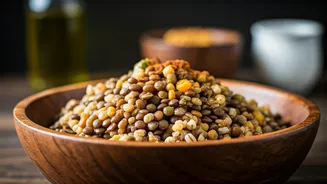
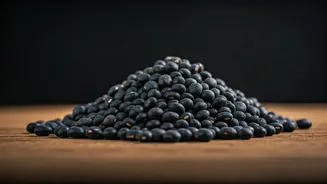
Topping the charts is urad dal, also known as black gram. With approximately 25-26 grams of protein per 100g of raw dal, it stands as one of the most protein-dense lentils in the Indian kitchen. This protein powerhouse is fundamental to iconic dishes,
providing the distinct creamy texture to dal makhani and the fermentation magic for fluffy idlis and crispy dosas. Beyond protein, urad dal is also a rich source of iron, folic acid, calcium, magnesium, and potassium, making it a nutritional heavyweight. Its significant fibre content also aids in digestion and promotes a feeling of fullness, which can help in weight management.
A Close Second: Moong Dal
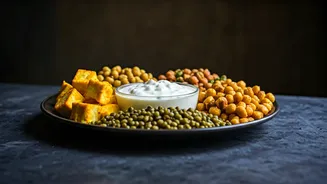
Following closely behind is the humble moong dal, or green gram, which offers around 24 grams of protein per 100g raw serving. Renowned for being incredibly light and easy to digest, moong dal is often the first choice for comforting meals like khichdi or for those recovering from illness. Despite its gentle nature, it doesn't compromise on nutrition. It's packed with fibre, potassium, and iron. Whether you enjoy it as a simple yellow dal, in savoury 'cheelas' for a high-protein breakfast, or as sprouts in a salad, moong dal is a versatile and valuable component of a balanced diet.
The Contender: Masoor Dal
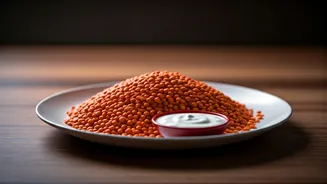
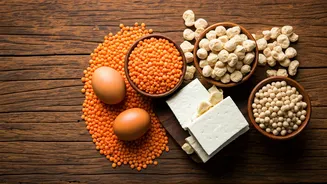
Masoor dal, or red lentil, is another strong competitor in the protein race, providing about 24-25 grams per 100g raw. Its major advantage is its quick-cooking nature, often ready in 15-20 minutes without any prior soaking required. This makes it a convenient option for busy weeknights. Masoor dal is not just about protein; it's also a fantastic source of dietary fibre, iron, and folate. Its low glycemic index makes it a favourable choice for managing blood sugar levels. Its earthy flavour lends itself well to simple dals, hearty soups, and curries.
The Steady Staple: Toor Dal
No dal list is complete without toor dal, also known as arhar dal. A staple across the country and the heart of dishes like sambar and dal fry, toor dal contains about 22 grams of protein per 100g raw. While its protein content is slightly lower than the top contenders, it remains an excellent and essential source of plant-based protein. Toor dal is also rich in folic acid, which is vital for various bodily functions, and provides a good amount of dietary fibre and iron. Its consistent presence in daily meals across India is a testament to its balanced nutritional profile and culinary versatility.
The Underdog: Chana Dal
Chana dal, made from split and polished Bengal gram, offers a protein content that sources place between 19 and 22 grams per 100g raw. What makes it stand out is its high fibre content and exceptionally low glycemic index, making it one of the best dals for individuals managing blood sugar. Its firm texture holds up well during cooking, giving a nutty flavour and satisfying bite to curries, sundals, and even snacks. Rich in iron, zinc, and folate, chana dal is a budget-friendly and nutritionally dense option that supports everything from heart health to weight management.