






For years, access to the latest brands and products was a privilege of metro cities. Now, thanks to a quiet revolution in India's transport and freight infrastructure, that reality is changing, fast, for millions of consumers in smaller towns.
The New Arteries of Commerce
The foundation
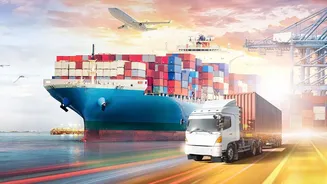
of this transformation lies in massive infrastructure upgrades. For decades, India's supply chains were heavily reliant on congested roads, where freight trucks competed with passenger traffic, leading to unpredictable delivery schedules. The game-changer has been the creation of Dedicated Freight Corridors (DFCs), separate railway lines built exclusively for moving goods. The Eastern and Western DFCs, spanning over 2,800 kilometres, now connect the country's key manufacturing and consumption hubs, from Uttar Pradesh to Mumbai and Punjab to Bihar. On these corridors, freight trains now operate at average speeds of 60-100 kilometres per hour, a significant leap from the previous 25 km/h. This has slashed transit times—a journey from Delhi to Mumbai that once took over three days can now be completed in under 48 hours. This increased speed and reliability are making rail a viable alternative to road transport for time-sensitive cargo for the first time.
A Coordinated Push for Efficiency
These new rail lines don't work in isolation. They are part of a broader, coordinated government strategy under policies like the PM Gati Shakti National Master Plan and the National Logistics Policy. The goal is to create an integrated, multimodal logistics network, breaking down silos between road, rail, ports, and waterways. This involves building Multimodal Logistics Parks (MMLPs)—massive hubs where goods can be seamlessly transferred between different modes of transport, complete with warehousing and cold storage. The push for digitisation through platforms like the Unified Logistics Interface Platform (ULIP) further streamlines the process, reducing paperwork and enabling real-time tracking of shipments. This coordinated effort aims to bring down India's logistics costs from a high 13-14% of GDP to a globally competitive benchmark of around 8%.
The Retail Boom in 'Bharat'
The direct consequence of a faster, cheaper, and more reliable supply chain is the accelerated expansion of retail into Tier 2 and Tier 3 cities. With improved connectivity, companies are setting up warehouses and distribution centres outside the crowded metros, in emerging hubs across the country. This shift is driven by both supply and demand. On the demand side, rising incomes and digital exposure have created a new class of aspirational consumers in smaller cities who want access to the same brands and trends as their metro counterparts. E-commerce has been a major catalyst, with some reports indicating that over 60% of online transactions now originate from non-metro markets. For retailers, these once-ignored locations now represent the next wave of growth, with lower competition and a hungry consumer base.
What Reaches the Shelves, and How
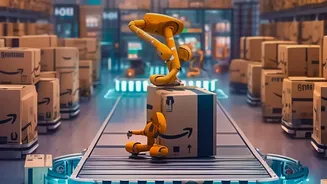
The impact is visible in the variety of products now available. Categories like fashion, electronics, and even fast-moving consumer goods (FMCG) are reaching smaller towns faster than ever. The DFCs have started running highspeed services specifically for parcels and e commerce goods. This improved logistics network empowers both online and offline retail. For e commerce giants and D2C brands, it means being able to promise and deliver products to a much wider geography. For brickandmortar stores, it ensures a steady and predictable supply of inventory, allowing them to stock a wider range of products that were previously considered unviable due to logistical hurdles. This expansion is prompting a surge in new retail developments, with millions of square feet of new mall space expected in cities like Lucknow, Jaipur, Coimbatore, and Guwahati.
The Road Ahead: Challenges and Opportunities
While the progress is significant, challenges remain. Seamlessly integrating the new highspeed freight corridors with the legacy rail network and ensuring true lastmile connectivity, especially in rural areas, is an ongoing process. Moreover, digital adoption among smaller logistics firms is uneven, and coordination between central and state governments needs constant strengthening. However, the trajectory is clear. The combination of modern infrastructure and a strategic policy push is fundamentally rewiring India's economic geography. It's making the country's manufacturing more competitive, reducing waste in the supply chain, and, most visibly, ensuring that a consumer in a small town has access to the same choices that were once reserved for the big cities.