



The Ultimate Paneer Power-Up
Paneer has always been a vegetarian favourite, but it's now the undisputed king of high-protein Indian content. We’re not just talking about Paneer Tikka Masala. Creators are showcasing quick, easy, and macro-friendly versions of paneer bhurji, often
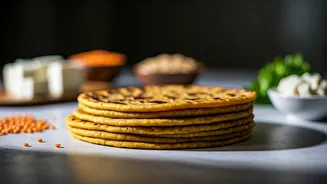
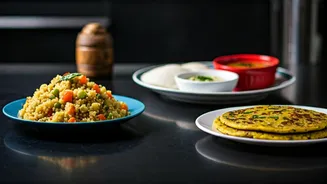
made with minimal oil and packed with vegetables. These recipes are perfect for a quick lunch or post-workout meal. You'll see it scrambled with spices and bell peppers, stuffed into parathas with besan instead of just wheat flour, or even cubed and air-fried as a crispy, protein-rich snack. The appeal is its versatility and the fact that it delivers around 18-20 grams of protein per 100g, making it an easy way to hit your daily goals without sacrificing flavour.
Soya Chunks: The Budget-Friendly Star
Soya chunks, or Nutrela, are having a major moment. Once relegated to a few specific household dishes, they are now being celebrated online for their incredible protein content—a whopping 52 grams per 100g—and their meat-like texture. Viral videos show how to properly hydrate them to remove their typical smell, and then transform them into everything from spicy 'chilli soya' that mimics a classic Indo-Chinese dish to a rich, flavourful soya keema masala that rivals its mutton counterpart. Because they are inexpensive and shelf-stable, they've become a go-to for fitness enthusiasts on a budget. The visual transformation from hard nuggets to a delicious curry makes for compelling social media content.
Not Your Average Dal
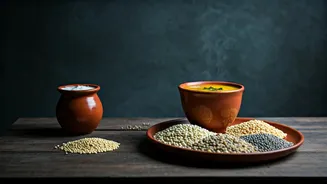
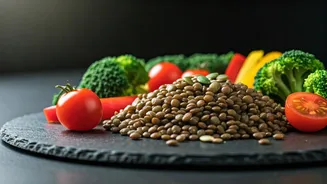
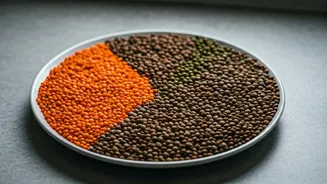
Dal is the soul of Indian comfort food, but the new-age approach is about optimising its protein potential. The trend isn't just about a simple tadka dal. Instead, influencers are promoting 'panchratna' or mixed dal recipes, combining five different types of lentils (like moong, masoor, toor, urad, and chana dal) to create a more complete amino acid profile and a higher protein count per serving. Other viral hacks include adding grated paneer or crumbled tofu to the dal right before serving, or blending in spinach (palak dal) for added nutrients. These small tweaks significantly boost the protein content, turning a simple side dish into the main event of a meal.
The Versatile Chickpea Revolution
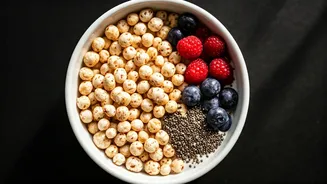
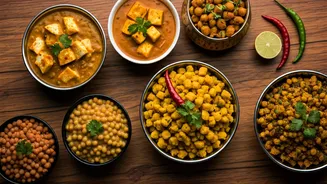
Chole (or chana masala) is a North Indian icon, but chickpeas are now being used in far more creative ways. Viral content is moving beyond the standard curry. We're seeing high-protein salads featuring boiled chickpeas, chopped vegetables, and a light lemon-herb dressing. Roasted chickpeas, seasoned with chaat masala or peri-peri spice, have become a hugely popular crunchy snack to replace fried alternatives. There are even recipes for 'chana chaat' that are reimagined as a full-fledged protein bowl. With about 15 grams of protein per cooked cup, chickpeas are a fantastic plant-based source that is both filling and adaptable, making them a star ingredient for health-focused creators.
Egg Bhurji and Beyond
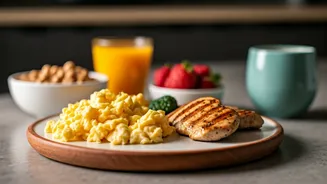
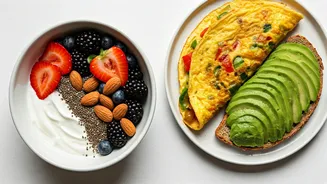
Eggs are one of the most bioavailable sources of protein, and Indian creators are celebrating them with gusto. The humble egg bhurji (spiced scrambled eggs) is a recurring star in 'What I Eat In A Day' videos, loved for its simplicity and speed. A typical two-egg serving provides a solid 12-14 grams of protein. But the trend doesn't stop there. We're seeing an increase in recipes for egg curry made in a lighter, onion-tomato gravy, and creative 'egg dosas' where an egg is cracked and spread over the dosa while it cooks. These meals are a testament to the fact that hitting your protein goals doesn't require fancy ingredients, just a clever use of everyday staples.
High-Protein Twists on Classics
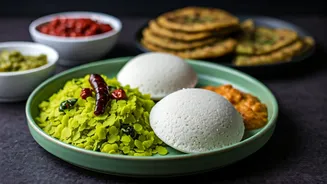
Perhaps the most exciting part of this trend is the clever modification of beloved Indian classics. Think dosas and idlis made not just from rice but from moong dal or besan batter, which dramatically increases their protein content. Parathas are being stuffed with high-protein sattu (roasted gram flour) instead of the usual potato filling. Even desserts aren't immune, with recipes for moong dal halwa or kheer made with protein powder or Greek yogurt instead of heavy cream and sugar. This approach makes healthy eating feel less like a restriction and more like a delicious exploration of what Indian cuisine can be.