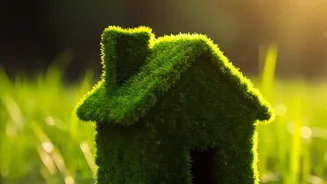



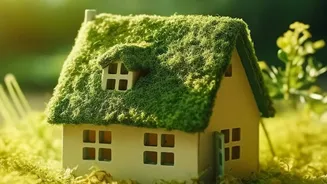
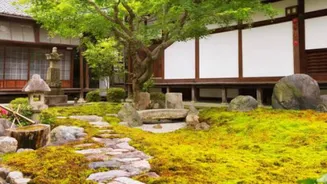
Escape into the quiet beauty of a miniature green world. A moss garden offers a serene, low-maintenance alternative to traditional plants, thriving where others falter and bringing a touch of ancient forest magic to any space.
The Allure of a Moss Garden
Moss is one of the planet's
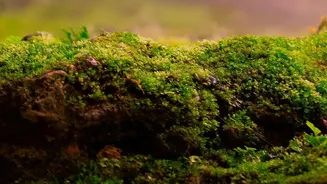
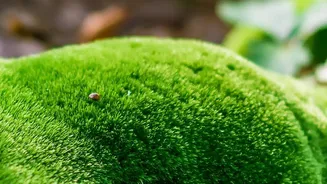
most ancient and resilient plants, a survivor that has been greening the earth for over 450 million years. Unlike flowering plants, mosses don't have roots, instead using tiny filaments called rhizoids simply to anchor themselves. They absorb all their water and nutrients through their leaves, which allows them to grow on diverse surfaces like rocks, soil, and bark. This adaptability makes them a perfect solution for those tricky, shady spots in a garden or balcony where grass and sun-loving plants refuse to grow. A container moss garden is a fantastic way to bring this lush, velvety texture into your home. It’s an exercise in creating a miniature, tranquil landscape that requires minimal upkeep and offers a peaceful, evergreen view.
Mastering the Moss Essentials
The secret to a thriving moss garden isn't complicated; it's about replicating its natural habitat. The three core pillars are shade, moisture, and soil acidity. Most moss species flourish in partial to full shade, as direct, hot sun can quickly scorch them. Morning sun is generally acceptable, but harsh afternoon light should be avoided. Consistent moisture is also crucial. Mosses don't like to be waterlogged, but they do need a humid environment and a consistently damp surface to stay vibrant. Finally, mosses prefer acidic soil, typically with a pH between 5.0 and 5.5. If you're using potting soil, you can increase its acidity by adding components like peat moss.
Choosing the Right Moss
There are thousands of moss species, but they can be broadly grouped into two types for gardening purposes: Acrocarps and Pleurocarps. Acrocarpous mosses, like Cushion Moss (Leucobryum) or Haircap Moss (Polytrichum), grow in upright, clumping mounds and are great for adding texture and height. Pleurocarpous mosses, such as Sheet Moss (Hypnum) or Fern Moss (Thuidium), grow in a creeping, carpet-like fashion and are ideal for covering surfaces. For a container garden, a mix of both can create a dynamic, natural-looking landscape. You can source live moss from local nurseries or ethically from your own property, but avoid preserved or dyed craft-store moss, as it is not alive.
Thoughtful Container Design
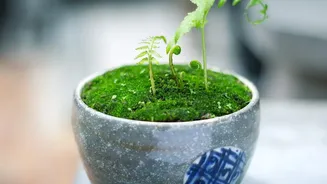
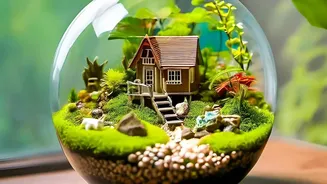
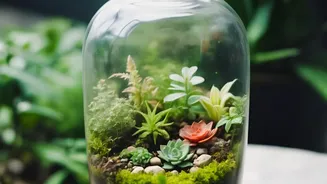
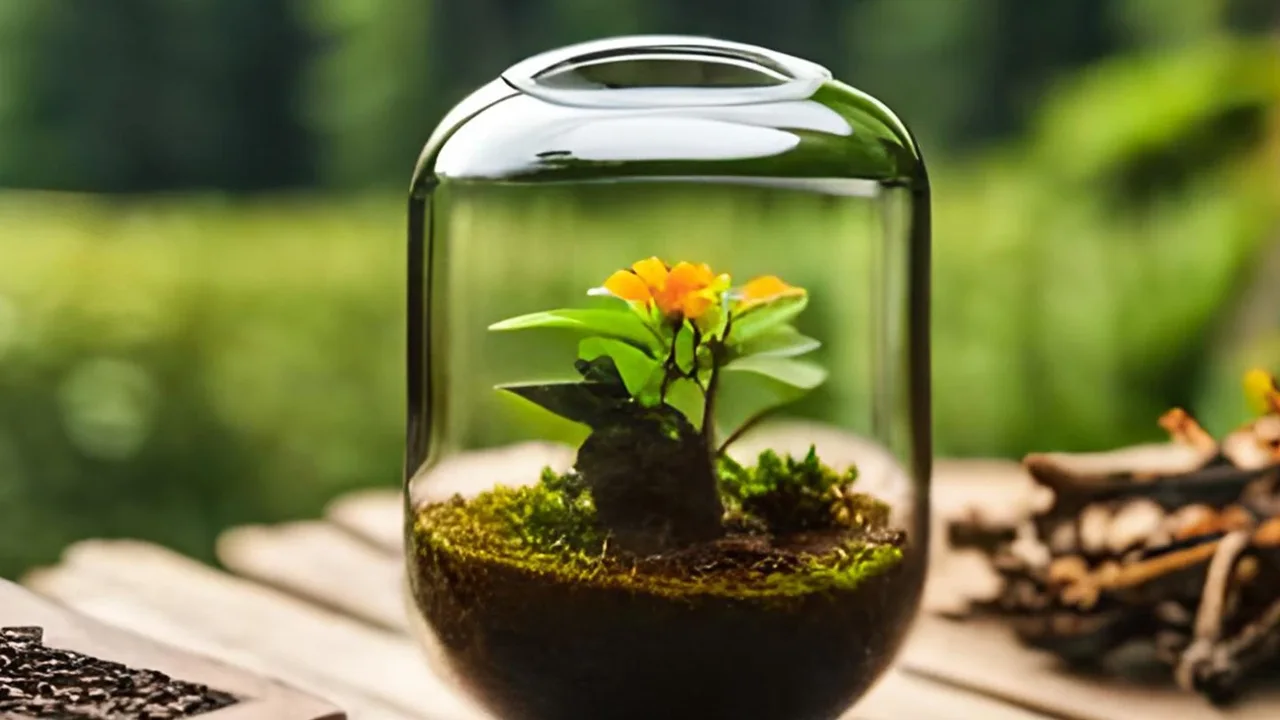
Almost any container can become a home for a moss garden, from a shallow terracotta dish to a glass terrarium. The key is ensuring proper drainage. If your chosen pot doesn't have drainage holes, it's wise to drill a few. For closed glass terrariums, which create their own humid ecosystem, a bottom layer of gravel or pebbles is essential to create a space for excess water to collect away from the soil. Unglazed terracotta is an excellent choice as its porous nature helps maintain a moist environment that mosses love. When designing your miniature landscape, think about creating visual interest with undulating soil levels, a striking stone, or a piece of driftwood before you even place the moss.
Building Your Miniature World
Start by preparing your container. If it has drainage holes, you can begin with your soil mix. If it's a closed container, add a layer of pebbles or gravel first. Next, add a well-'draining', slightly acidic potting medium. Lightly compact the soil, as moss prefers a firm base. Before placing your moss, it's a good idea to moisten the soil. Arrange your chosen moss pieces over the soil, pressing them down firmly to ensure good contact. Don't be afraid to cut or tear larger sheets of moss to fit your design. You can also incorporate other small, shade-'tolerant plants like ferns for added texture,' placing them in pockets of soil before tucking moss around them.
Ongoing Care and Enjoyment
Once your moss garden is assembled,' the main task is maintaining moisture.' For the first few weeks,' mist your garden regularly to help the moss establish itself.' After that,' water as needed to keep the surface consistently moist but not soggy.' A simple spray bottle is the perfect tool for this.' Keep the container in a spot with indirect light and remove any fallen leaves or debris that could smother the moss.' There's no need for fertilizer,' as moss gets its nutrients from the air.' If a patch turns brown,' it may be dormant due to dryness and can often be revived with consistent misting.