







The Silent Start of Dental Disease
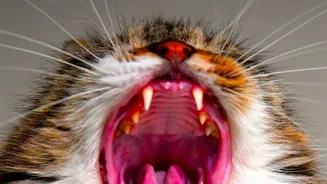
Most dental disease in pets begins quietly and without obvious signs of pain. It starts with plaque, a sticky film of bacteria that forms on the teeth after meals. If not removed, this plaque hardens into tartar, a yellow-brown crust that irritates the gums.
This stage, known as gingivitis, causes red, swollen gums that may bleed. Because our pets are masters at hiding discomfort, these early signs are often missed. Many owners might not realise there's a problem until the condition has progressed significantly. In fact, studies show that by the age of three, a majority of both dogs and cats already have some form of periodontal disease.
How Bacteria Invade the Body
The real danger begins when the infection is no longer contained to the mouth. Healthy gums act as a natural barrier, but inflamed and infected gums from periodontal disease become weak and compromised. This allows bacteria from the mouth to enter the bloodstream. Simple, everyday actions like chewing on a toy or crunching on kibble can be enough to push these bacteria into the circulatory system. Once in the bloodstream, these harmful microorganisms have a high-speed highway to travel throughout the body, setting the stage for widespread damage.
The Heart, Kidneys, and Liver Under Attack
Three of the most vulnerable organs to this bacterial onslaught are the heart, kidneys, and liver. Bacteria traveling through the bloodstream can attach to the heart valves, causing a serious condition called endocarditis, which is an infection of the heart's inner lining. This can lead to damaged valves, heart murmurs, and eventually, reduced heart function. The kidneys and liver are also at high risk because their primary job is to filter the blood. When they are constantly processing blood laden with bacteria, they can become inflamed and damaged. This chronic stress can impair their ability to function, leading to kidney disease or liver damage over time.
Subtle Signs Pet Owners Should Not Ignore
Since pets can't tell us when they are in pain, owners must become detectives. Beyond persistent bad breath, there are other subtle clues to watch for. These include changes in eating habits, such as chewing on only one side of the mouth, dropping food, or showing a sudden preference for softer meals. You might also notice excessive drooling, pawing at the face, or red and bleeding gums. A change in behaviour, like being more irritable or less playful, can also be a sign of underlying oral pain. If you notice any of these signs, it’s a clear signal to consult your veterinarian.
Prevention Is the Best Medicine
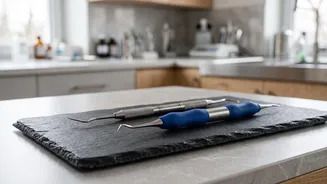
The good news is that most dental diseases are preventable. The single most effective thing you can do at home is to brush your pet's teeth daily with a pet-specific toothpaste. While daily brushing is ideal, even brushing several times a week can make a significant difference. This can be supplemented with dental chews and toys designed to reduce plaque. However, home care alone is not enough. Regular professional dental cleanings performed by a veterinarian are essential. These cleanings, done under anaesthesia, allow for a thorough examination and removal of plaque and tartar both above and below the gumline, where the real damage starts.