





The Hidden Damage to Our Roads
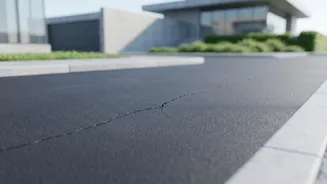
Persistent September showers can wreak havoc on roadways long after the water has receded. The most visible and frustrating effect is the formation of potholes. This happens when water seeps into small, pre-existing cracks in the asphalt. The pressure
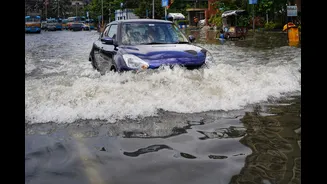
from passing vehicles forces this water deeper, softening the underlying foundation of the road. As vehicles continue to drive over these weakened spots, the surface collapses, creating dangerous potholes that can damage vehicle tyres and suspension. Beyond potholes, heavy rain creates other immediate hazards. Waterlogging and flooding are common in many Indian cities, making entire stretches of road impassable. Even a few inches of water can be deceptive, hiding deep potholes or debris that could stall a vehicle. Visibility is also significantly reduced, and wet roads increase braking distances, making accidents more likely. For safe driving, it's crucial to reduce speed, use dipped headlights to remain visible to others, and maintain a greater distance from the vehicle ahead. It is also advisable to check your tyres for adequate tread and ensure your wiper blades are functioning effectively before heading out.
Navigating Turbulence in Air Travel
While modern aircraft are built to withstand adverse weather, heavy rainfall can still cause significant disruptions to flight schedules. Rain itself rarely cancels a flight, but the associated conditions are what cause delays and cancellations. The primary issue is reduced visibility, which is critical during takeoff and landing. In heavy downpours, pilots have a harder time seeing the runway and taxiways, prompting air traffic controllers to increase the spacing between aircraft as a safety measure. Wet runways also pose a risk of hydroplaning, where a layer of water between the tyres and the runway surface reduces braking effectiveness. This might necessitate using longer runways or lead to delays if conditions are deemed unsafe. Furthermore, rain is often accompanied by thunderstorms, strong winds, and lightning, which pose a more direct threat to aviation. Airlines will delay or divert flights to avoid these severe weather systems entirely. Ground operations can also be hampered, with lightning storms forcing a temporary halt to baggage handling and refuelling, leading to a cascade of delays across the airport.
Rethinking Your Outdoor Adventures
An unexpected downpour can quickly put a damper on outdoor plans, but the consequences can be more serious than mere inconvenience. Getting wet in the rain doesn't directly make you sick—viruses and bacteria do—but it can create conditions that make you more vulnerable to illness. Being wet and cold for a prolonged period can lower your body temperature, which may weaken your immune system's response. Moreover, people tend to huddle together indoors during rain, increasing the chances of spreading airborne viruses like the common cold or flu. There are also skin-related health risks to consider. Wearing damp clothes and shoes for extended periods creates a perfect breeding ground for fungal infections, such as athlete's foot. Floodwaters on streets or trails can be contaminated with harmful bacteria from sewage or runoff, posing a risk of diseases like leptospirosis and various gastrointestinal infections. If you are planning outdoor activities like trekking or camping, it's essential to be prepared. Check the weather forecast diligently, wear waterproof outer layers, and always have a dry set of clothes to change into. Many monsoon treks and waterfall rappelling activities are popular this time of year, but it's crucial to go with reputable guides and prioritize safety.