


The Wisdom Behind Vrat ka Khana
The month of Shravan, dedicated to Lord Shiva, often involves fasting, especially on Mondays (Somvar). This practice is not just about religious observance but is also rooted in ancient wellness principles. Ayurveda suggests that during the monsoon, our
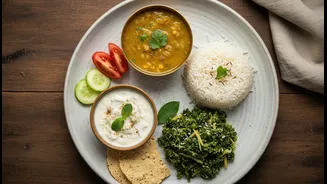
digestive system (agni) becomes weaker. The traditional 'vrat' or fasting diet is designed to be light and easy on the stomach. It typically excludes grains like wheat and rice, onions, garlic, and regular table salt, favouring ingredients that are believed to be 'sattvic' or pure. This culinary shift is a mindful way to detoxify the body and stay healthy during a season when water-borne illnesses are more common.
Sabudana Khichdi: The Quintessential Fasting Dish
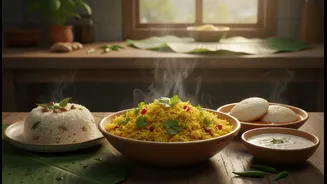
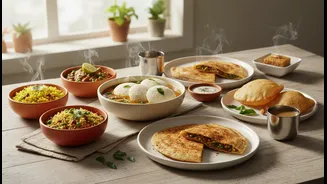
No Shravan fast feels complete without a comforting bowl of Sabudana Khichdi. Made from soaked tapioca pearls (sago), this dish is a powerhouse of carbohydrates, providing instant energy to those fasting. The pearls are sautéed with boiled potatoes, roasted peanuts, green chillies, and cumin, and seasoned with sendha namak (rock salt), the only salt permitted during many fasts. The result is a delightful mix of soft, chewy pearls and crunchy peanuts. It is naturally gluten-free and light on the digestive system, making it an ideal breakfast to sustain you through the day.
Kuttu and Rajgira: The Versatile Vrat Flours
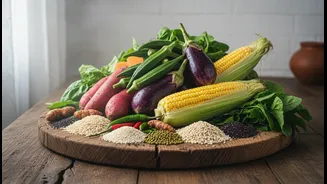
When regular grains are off the menu, special 'vrat' flours take centre stage. Kuttu ka atta (buckwheat flour) and rajgira ka atta (amaranth flour) are two of the most popular choices. Despite its name, buckwheat is not a type of wheat and is gluten-free. These flours are used to make everything from crispy puris and soft parathas to savoury pancakes (cheelas). A classic breakfast combination is Kuttu ki Puri served with a simple, flavourful Aloo ki Sabzi (potato curry) made without onion or garlic. These flours are not just substitutes; they are packed with protein, fibre, and essential minerals, offering a nutritious start to the day.
Singhare ke Atte ka Halwa: A Sweet and Healthy Treat
Another cherished fasting flour is singhare ka atta, made from dried water chestnuts. It's a dense, nutrient-rich flour that can be used to prepare a variety of dishes. One of the most loved breakfast or snack items is Singhare ka Halwa. This sweet preparation involves roasting the flour in ghee until fragrant, then simmering it with sugar or jaggery and water or milk until it thickens into a rich, dark pudding. Garnished with nuts, it's a wholesome and satisfying dish that keeps you full. Water chestnut flour is also valued for its cooling properties, which help balance the body.
Fruits, Nuts, and Dairy: Simple and Sattvic
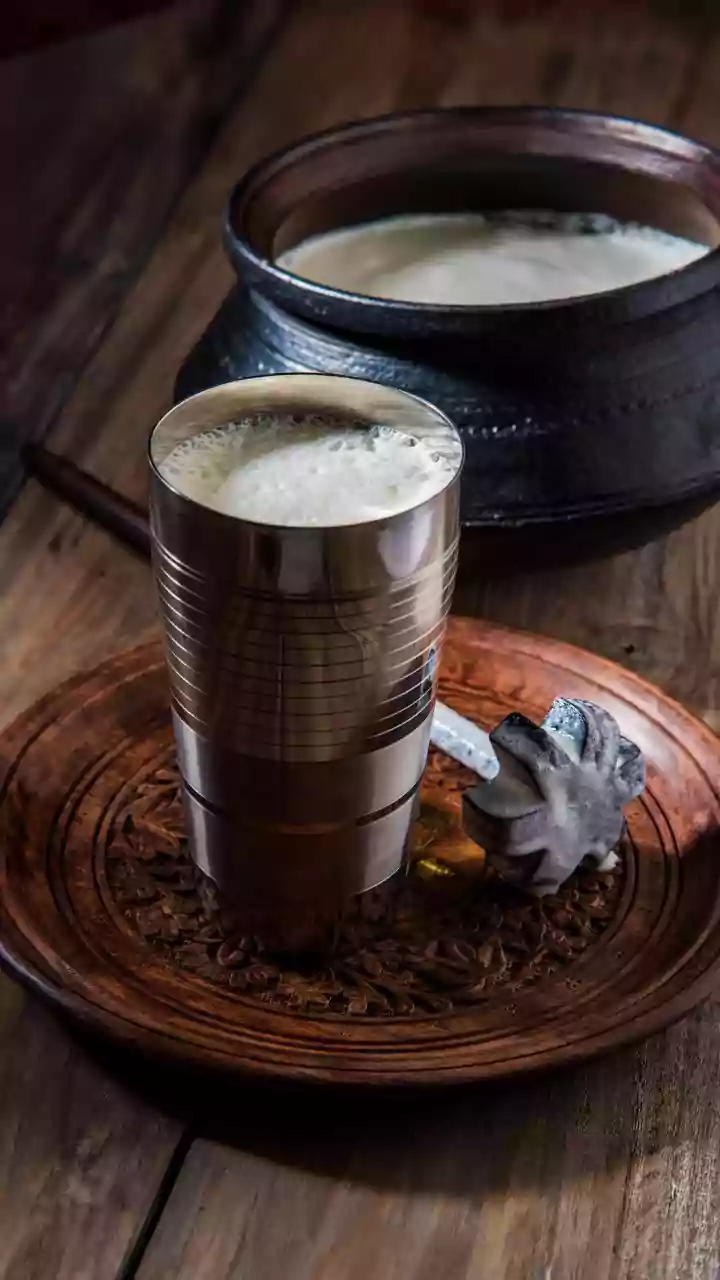
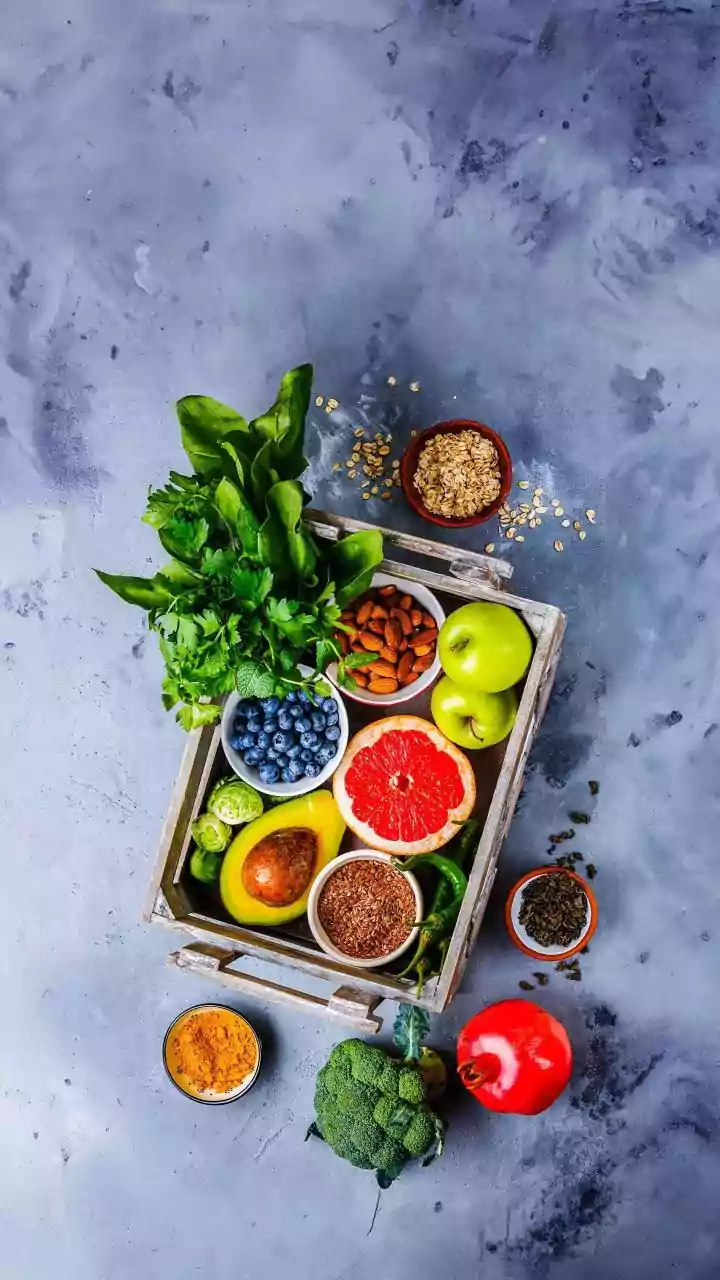
Beyond cooked meals, Shravan breakfasts often revolve around nature's simplest offerings. Fresh seasonal fruits are a fasting staple, providing essential vitamins, hydration, and natural sugars for energy. A bowl of fruit, a handful of nuts like almonds and walnuts, or a glass of milk or lassi are common ways to break the fast in the morning. Dairy products such as yogurt (dahi) and paneer are also permitted and provide much-needed protein and calcium. These simple foods align perfectly with the sattvic principles of the Shravan diet—pure, nourishing, and easy to digest.