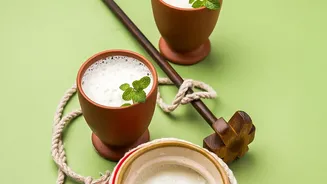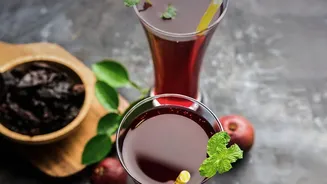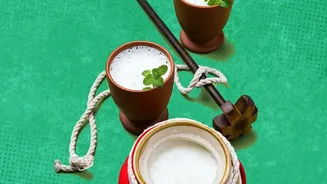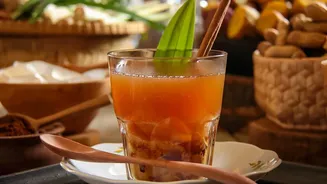


Scan the drinks table at any trendy get-together, and you might notice a shift. Alongside the usual sodas and spirits, a colourful new lineup is taking centre stage, one that tastes distinctly of home: classic, spice-infused Indian beverages.
A Renaissance of Roots and Wellness
The resurgence
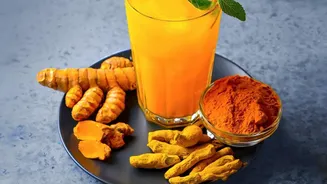
of these traditional drinks isn't just about flavour; it's a cultural movement. In a world increasingly focused on wellness and mindful living, many are turning away from sugary, artificial sodas and high-caffeine options. Instead, they are seeking out beverages that offer genuine health benefits—and our ancestral recipes are perfectly positioned to meet this demand. Drinks like Aam Panna, rich in Vitamin C, and Jaljeera, a natural digestive aid, are rooted in Ayurvedic principles that emphasise balance and holistic health. This pivot towards 'functional beverages'—drinks that do more than just quench thirst—has found a perfect match in the time-tested wisdom of Indian kitchens. It's a return to roots, where a drink is expected to nourish, cool, and heal.
The Classics: Remixed and Reimagined
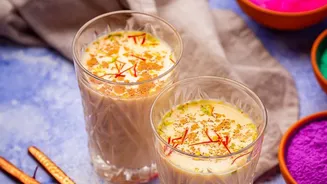
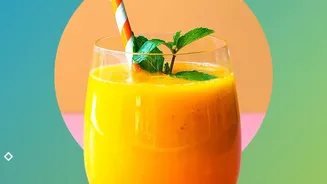
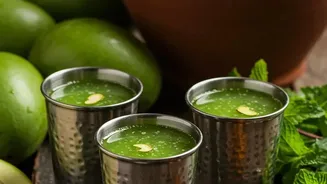
Chefs and modern mixologists are not just reviving old recipes; they are giving them a contemporary makeover. Take Jaljeera, the tangy cooler made from cumin, mint, and tamarind. Once a humble street-side digestive, it's now being served in elegant glassware, sometimes as a base for inventive non-alcoholic cocktails, bridging the gap between a traditional welcome drink and a sophisticated party beverage. Similarly, Aam Panna, the beloved raw mango cooler, is being reimagined. While its core tangy-sweet profile remains, modern versions might feature unique garnishes or subtle infusions that elevate it from a simple summer drink to a chic offering. Even Thandai, traditionally associated with festivals, is finding a year-round place on menus, its rich blend of milk, nuts, and spices offering a luxurious alternative to standard milkshakes.
More Than a Drink, It's an Experience
The appeal of these drinks goes beyond their taste and health benefits. For many, they offer a powerful sense of nostalgia, a taste of childhood summers and family traditions. This emotional connection is a key driver of their popularity, especially among urban consumers looking to reconnect with their heritage. Furthermore, the rise of the 'NoLo' (non-alcoholic and low-alcohol) market has created a huge opportunity. As more people adopt a 'sober curious' lifestyle, the demand for interesting and complex non-alcoholic options has soared. Classic Indian drinks, with their intricate layers of spice and flavour, provide a perfect solution. They offer a grown-up taste experience without the alcohol, ensuring that every guest, regardless of their drinking preference, feels included in the celebration.
From Kitchens to Cocktail Bars
This trend isn't limited to home parties. Highnd bars and restaurants are increasingly incorporating these traditional flavours into their offerings. Mixologists are experimenting with spice infused spirits like cardamom gin or curry leaf infused mezcal to create cocktails that tell a distinctly Indian story. You might find a Thandai liqueur or a Kokum flavoured sour on a modern bar menu showcasing how these heritage ingredients can be adapted for a global palate. This creative fusion introduces traditional tastes to new audiences in an exciting and accessible format. It's a validation that the flavours we've cherished for generations have a firm place in the contemporary culinary landscape moving from the realm of home remedies to the forefront of modern mixology.