
Tell Your Story First
Before you hang a single frame, think about the story you want to tell. A gallery wall is more than decoration; it's a reflection of you. Do you want it to feel calm and serene with landscape prints, or energetic and eclectic with a mix of portraits and abstract
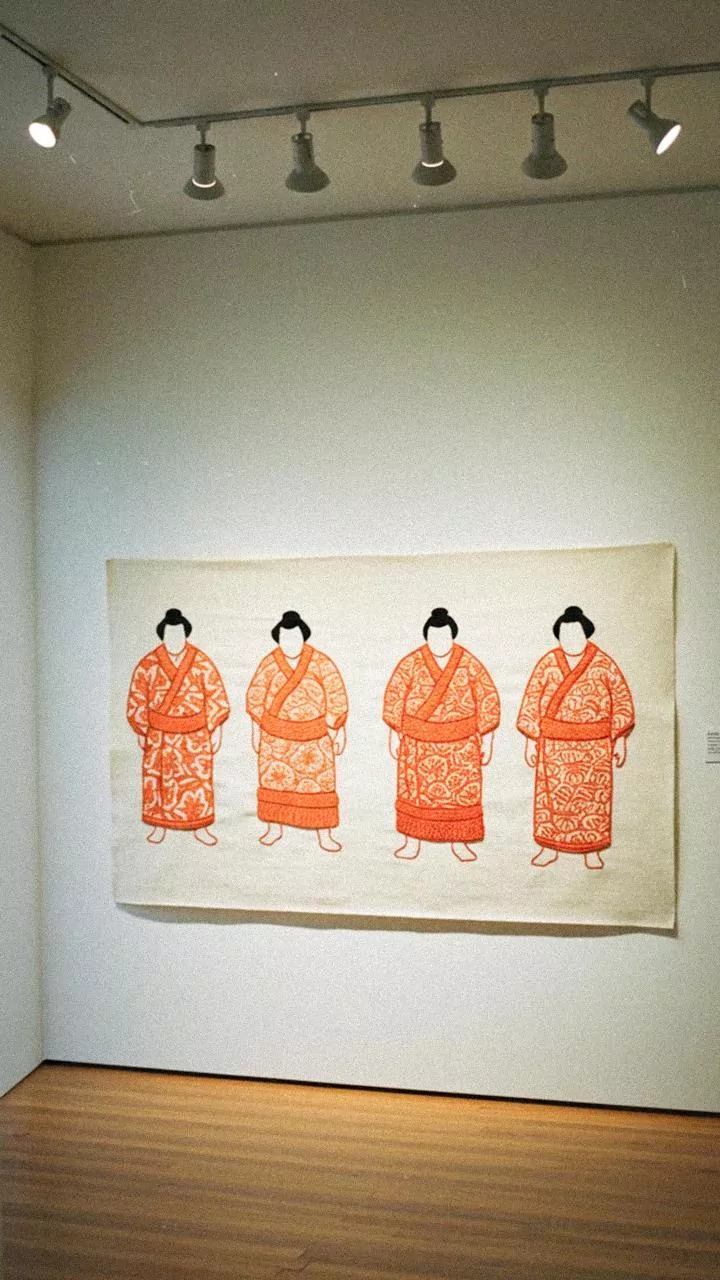
art? Start by gathering pieces that hold meaning—heirloom photos, prints from a memorable trip, or even textiles and small three-dimensional objects. This narrative approach ensures your wall will feel collected and personal, not just assembled.
The Thrill of the Vintage Hunt
Sourcing your art is half the fun. You don’t need a massive budget to find incredible vintage pieces. Thrift stores, estate sales, and flea markets are treasure troves for unique art and interesting frames. Keep an eye out for pieces with beautiful frames even if you don't love the art, or vice versa, as they can be swapped. Online marketplaces like Etsy and even Poshmark have dedicated sections for vintage paintings and prints, offering a huge variety from the comfort of your home. You can also find high-quality digital downloads of vintage art that you can print yourself.
Mastering Scale in a Small Space
The biggest misconception about small spaces is that the art must also be small. In reality, a collection of tiny, scattered prints can make a room feel more cluttered. Often, a single larger piece or a tightly clustered group of a few frames works much better. If hanging art above furniture like a sofa or a bed, a good rule of thumb is to have the artwork or the entire gallery take up about two-thirds of the furniture's width. This creates a balanced focal point and prevents the art from feeling lost on the wall.
The Art of a Balanced Arrangement
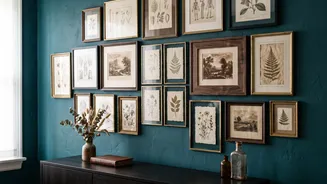
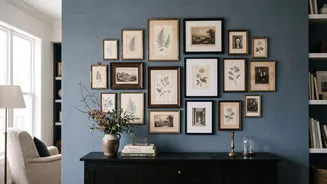
Planning your layout before making any holes is crucial. A great trick is to use paper cutouts of your frames and tape them to the wall to experiment with different arrangements. Laying everything out on the floor first also helps you visualize the final look. In a small space, consider a vertical arrangement; stacking frames in a column draws the eye upward and can create an illusion of height. Whether you go vertical or horizontal, keep the spacing between frames consistent—usually between 2 to 3 inches—to create a cohesive and organized look.
Unifying Your Collection with Frames
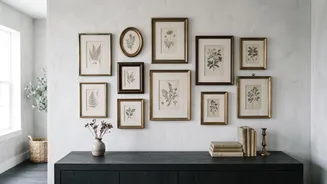
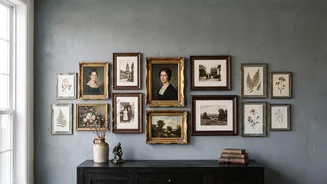
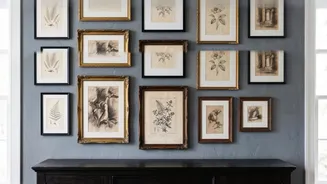
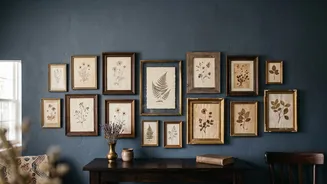
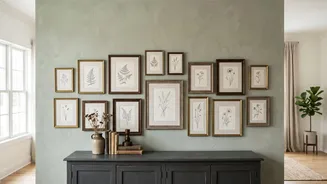
Frames are the glue that holds your gallery wall together. For a calm, cohesive look in a small room, using frames of the same color or material (like all-black or all-wood) is a safe bet. However, a mix of vintage frames in different styles and materials—like ornate gold, simple wood, and slim metal—can add depth and character, reinforcing that 'collected over time' feel. The key is to find a unifying element. For example, you could have a variety of frame styles, but all in warm metallic or wood tones to tie them together. Some designers even recommend removing mats from modern frames to enhance the vintage appeal.