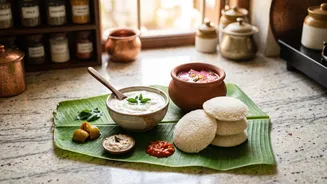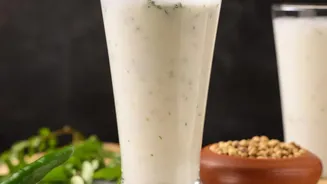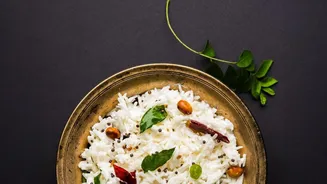




As winter arrives, a familiar question enters Indian kitchens: is it safe to eat curd? The age-old belief that it causes colds clashes with its reputation as a health food. Let's settle the debate and find out what's best for you.
The Traditional Winter Warning
In many Indian households,
the advice is clear: avoid curd, or dahi, once the temperature drops. This belief is largely rooted in Ayurveda, which suggests that curd can increase 'Kapha dosha'. The Kapha dosha is associated with qualities like coldness and heaviness, and an imbalance is thought to lead to increased mucus secretion. This is why people with respiratory issues like asthma, sinus problems, or an active cold and cough are often advised to steer clear of it, especially during winter and particularly at night. The fear is that curd's properties could aggravate these conditions, making you feel more congested and unwell. This traditional wisdom, passed down through generations, is why many dutifully push their beloved bowl of curd aside until warmer days return.
What Nutritional Science Says
Modern science, however, tells a different story. Far from being a winter villain, curd is a nutritional powerhouse that can actually boost your health during the colder months. It is packed with probiotics, the 'good' bacteria that are essential for a healthy gut. Since a significant portion of your immune system resides in your gut, a healthy gut microbiome is crucial for fending off infections. Studies have shown that regular consumption of probiotic-rich foods like curd may even help reduce the risk and duration of respiratory tract infections. Furthermore, curd is an excellent source of calcium, protein, vitamin B12, and zinc, all of which play a vital role in strengthening your immune system and overall health.
Is the Real Culprit Just the Temperature?
So, if curd itself isn't the problem, why do some people feel it worsens their cold? The answer may lie not in the curd itself, but in its temperature. Consuming curd straight from the refrigerator can be a shock to the system, and some experts believe this cold temperature can irritate the throat or make existing mucus feel thicker. Colds are caused by viruses, not by food, and there is no scientific evidence that curd contains or causes cold-causing viruses. The discomfort some experience is more likely an individual sensitivity. Therefore, the issue might not be what you're eating, but how you're eating it. Simply allowing your curd to come to room temperature before consumption could make all the difference.
A Balanced Ayurvedic View
Interestingly, some interpretations of Ayurveda don't call for a complete ban on curd in winter. Some texts describe curd as having 'ushna virya', or a warming potency, which can actually be beneficial during cold weather by supporting digestion and maintaining body warmth. According to this view, the body's digestive fire, or 'agni', is naturally stronger in winter, making it easier to digest heavier foods like curd. The Ayurvedic caution is more focused on timing and combination. The advice is to consume curd during the day, preferably at lunchtime when digestion is at its peak, and never at night. Combining curd with warming spices like black pepper or roasted cumin powder is also recommended to balance its properties.
How to Enjoy Curd Safely This Winter
You don't need to give up your favourite dahi this winter. By following a few simple guidelines, you can continue to enjoy its benefits without worry. First, always consume curd at room temperature; avoid eating it cold, straight from the fridge. Second, the best time to have it is during the day, ideally with your lunch. Avoid consuming it late at night, a tip that both traditional and modern experts often agree on. If you are already suffering from a severe cough or cold, it might be wise to limit your intake until you feel better. You can also incorporate curd into warm dishes, like soups or curries, or prepare raita with seasonal vegetables to make it more winter-friendly.