



The Fungi on Your Feed
If you’ve scrolled through a food-lover's social media feed or glanced at a high-end restaurant menu lately, you’ve likely noticed them. From creamy risottos to rich, slow-cooked curries, premium mushrooms are no longer just a garnish; they are the main
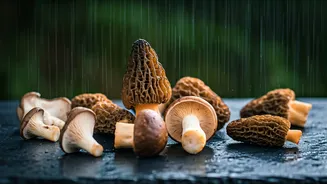
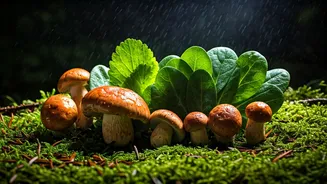
event. We’re not talking about the humble button mushroom. The stars of this show are varieties like the wild Himalayan morel (guchhi), the meaty shiitake, and the delicate oyster mushroom. Once relegated to the footnotes of five-star menus, these fungi are now being celebrated as the definitive flavour of the monsoon, a surprising but fitting hook for a season defined by earthy, comforting foods.
The Crown Jewel: Guchhi
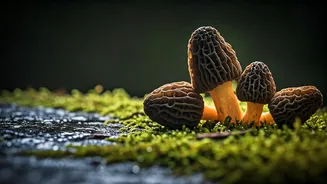
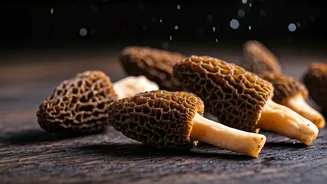
At the heart of this trend is the guchhi, or morel mushroom. It is one of the most expensive ingredients in the world, with prices that can rival luxury spices. A kilogram of dried guchhi can command anywhere from ₹20,000 to ₹30,000. The reason for this staggering price lies in its scarcity and the sheer difficulty of its harvest. Guchhi cannot be commercially cultivated. It grows wild for a very short period in the spring, emerging after thunderstorms in the coniferous forests of the Himalayas in states like Himachal Pradesh, Uttarakhand, and Jammu and Kashmir. Foragers, often from local communities, must trek for days to find and hand-pick these honeycombed treasures. This arduous, unpredictable harvest makes every single guchhi a small miracle of nature.
Why Now? The Monsoon Connection
So why is a mushroom harvested in spring suddenly a monsoon star? The answer lies in preservation and perception. Guchhi are almost always sold dried, which concentrates their intense, smoky, and nutty flavour. This means chefs have access to them year-round. The monsoon, with its cool, damp weather, creates a craving for warm, robust, and umami-rich dishes—a flavour profile that rehydrated guchhi delivers perfectly. Chefs are leveraging this connection, crafting dishes like 'Guchhi Pulao' or morel-stuffed koftas that feel both luxurious and deeply comforting, hitting the perfect note for a rainy day meal. The 'sudden' popularity is less about a new discovery and more about a cultural shift, where chefs and diners are actively seeking out unique, indigenous ingredients with a powerful story.
Beyond the Morel
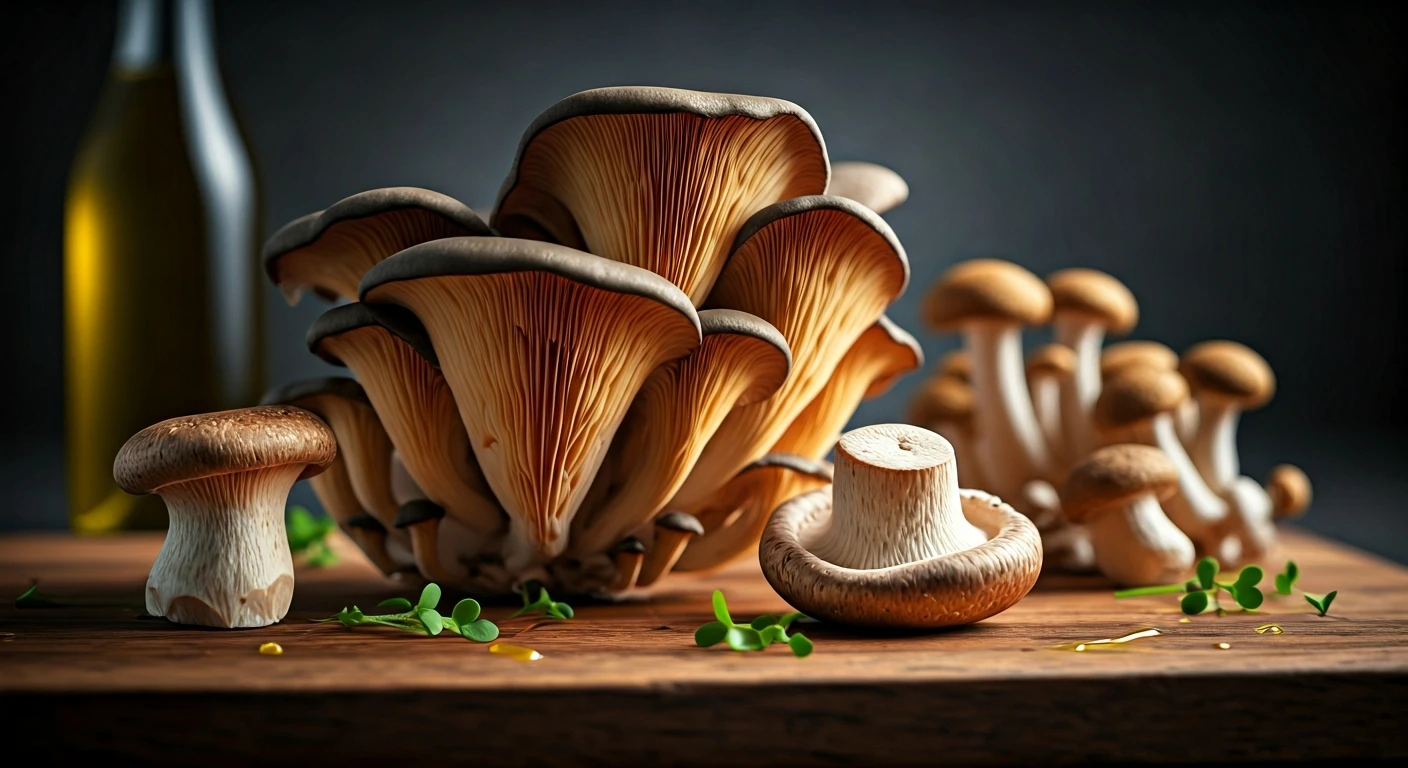
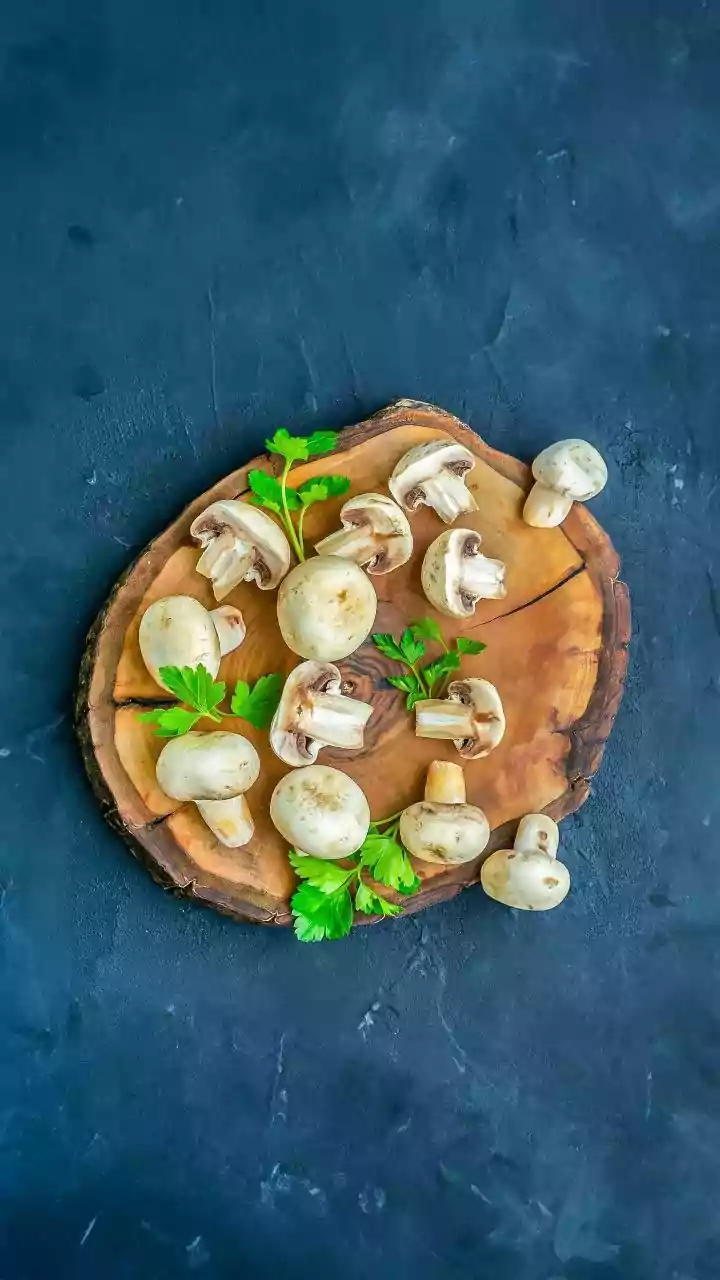
While guchhi grabs the headlines with its price tag, its rising fame has created a halo effect for other premium mushrooms. The growing interest in complex, savoury flavours has boosted the market for cultivated varieties like shiitake, king oyster, and portobello. Previously imported and expensive, these mushrooms are now being grown by an increasing number of boutique farms across India. This local cultivation has made them more accessible and affordable, allowing a wider range of restaurants—and even home cooks—to experiment. They offer a similar earthy depth that complements the monsoon mood but without the astronomical cost of morels. This has created a two-tiered trend: the aspirational, ultra-luxe guchhi experience, and the more accessible, everyday gourmet experience with other cultivated exotics.
A Taste of the Terroir
This mushroom mania is part of a larger, more exciting movement in Indian cuisine: a return to the source. Diners are no longer just interested in what’s on the plate, but where it came from. The story of a forager in the Himalayas or a small-scale farmer experimenting with new crops is becoming as important as the chef's technique. The mushroom, in this context, is more than just food. It’s a taste of a specific place (terroir), a connection to a season, and a celebration of ingredients that are both wild and wonderful. It represents a deeper appreciation for the complexities of flavour and the rich biodiversity that India has to offer.