

An Entire Feast on a Single Platter
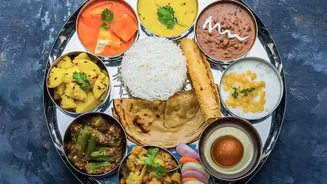
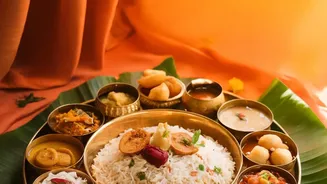
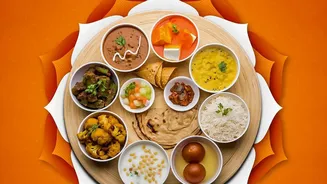
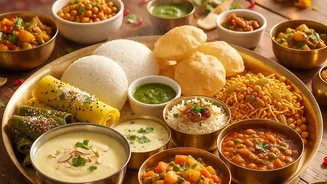
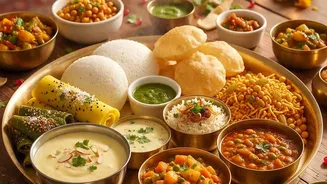
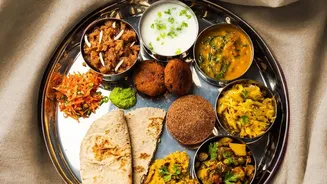
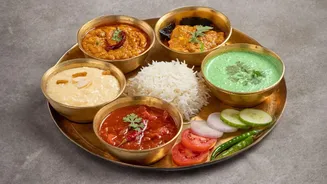
First, what exactly is a thali? The word itself means 'plate' or 'platter'. In practice, it’s a complete meal served on a large tray, featuring a constellation of small bowls called 'katoris'. Each katori holds a different preparation, creating a balanced
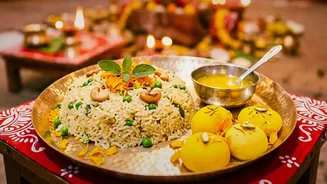
and comprehensive dining experience. A typical Rajasthani thali is a masterclass in variety, offering a range of tastes—sweet, salty, spicy, and tangy—all in one sitting. It includes everything from lentils (dal) and vegetable curries to breads, rice, pickles, chutneys, and a dessert. This isn’t just a meal; it’s a curated culinary tour of the entire state on one plate.
The Economics of Abundance
One of the most compelling reasons to opt for a thali is its budget-friendly nature. Restaurants typically offer thalis at a fixed price, which often includes unlimited refills of many components. This model is economically efficient for both the restaurant and the diner. Kitchens can prepare a select number of dishes in large batches, reducing waste and cost. These savings are passed on to the customer, making the thali significantly more affordable than ordering several individual dishes à la carte. A study noted in India's Economic Survey found that vegetarian thalis have become more affordable over the years. In cities like Jaipur, a satisfying thali can be found for as little as ₹250-₹500, offering immense value.
A Symphony of Authentic Flavours
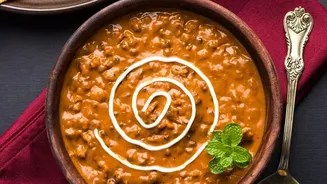
The true beauty of the Rajasthani thali lies in its authenticity and the sheer breadth of flavours it presents. The cuisine was shaped by the region's arid climate and scarcity of fresh water and vegetables. This led to creative uses of lentils, gram flour (besan), and dairy, as well as ingredients that could be preserved. A single thali allows you to sample iconic dishes that tell this story. Expect to find staples like Dal Baati Churma—a trio of spicy lentils, hard wheat rolls, and sweetened crumbled wheat. You’ll also likely encounter Gatte ki Sabzi (gram flour dumplings in a tangy yoghurt curry), Panchmel Dal (a mix of five lentils), and various seasonal vegetable preparations. It’s a full spectrum of local tastes that would be impossible to experience otherwise in a single meal.
Rooted in Tradition and History
Many dishes featured in a thali are prepared using recipes and techniques passed down through generations. The arid landscape influenced a preference for food that could last for days without spoiling, a necessity during historical times of conflict and travel. This is why you'll find an emphasis on sun-dried ingredients like 'ker' and 'sangri' (native berries and beans) and the liberal use of ghee and spices, which act as natural preservatives. Because thalis are a staple for locals, the restaurants that specialise in them often pride themselves on preserving these heritage flavours. By choosing a thali, especially in a long-standing local eatery, you are getting a taste of history that might not be available in more tourist-oriented establishments.
More Than a Meal: A Cultural Experience
Embracing a Rajasthani thali is about more than just satisfying hunger; it’s an immersion into the state’s famed hospitality. The generous, often unlimited, servings are a reflection of the cultural ethos of 'Padharo Mhare Des' (Welcome to my land). The meal is a gesture of warmth and abundance. The structure of the thali itself—with its balance of textures, temperatures, and tastes—reflects a deep-seated culinary wisdom. It often includes a cooling element like buttermilk (chaas) or raita to balance the richness and spice of the curries. This holistic approach provides a well-rounded experience that nourishes the body and offers a genuine connection to the local way of life.