






The Late-Monsoon Forecast
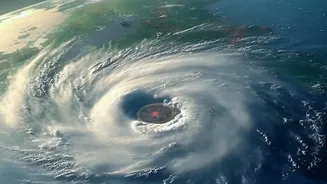
The India Meteorological Department (IMD) has projected a 'below-normal' monsoon for the country as a whole during the critical August-September period. This outlook is largely influenced by strengthening El Niño conditions in the Pacific Ocean, a phenomenon
typically associated with weaker monsoon winds and reduced rainfall over the Indian subcontinent. However, the national average doesn't paint the full picture. The IMD also forecasts normal to above-normal rainfall in specific pockets, including parts of Peninsular India, Central India, and the northern and northeastern regions. This creates a complex, varied map of water availability, making broad generalisations difficult.
From National Averages to Local Realities
After a shaky start with a significant rainfall deficit in June, the monsoon staged a recovery in July, thanks to a series of low-pressure systems. This helped improve the cumulative seasonal figures, but the distribution was uneven. Almost half the country's districts still faced deficient rainfall even as others experienced extremely heavy downpours. This disparity is precisely why the focus is now shifting from the all-India number to the status of local water sources. A 'below-normal' forecast for the country might cause alarm, but for a city whose local reservoirs are brimming, the immediate outlook could be comfortable. Conversely, 'normal' national rain means little to a region where dams remain worryingly low.
Spotlight on Urban Reservoirs
For millions of urban residents, the monsoon's performance is measured by the water levels in a handful of critical lakes and dams. In Mumbai, for example, sustained July rains have brought the seven lakes that supply the city to over 90% of their total capacity, ensuring a comfortable water situation for now. This is a significant turnaround from early in the season when delayed rains prompted municipal authorities to impose water cuts. However, the situation is not uniform nationwide. As of late July, India's major reservoirs collectively stood at only 44% of their total live storage capacity. This figure, while an improvement, indicates that many regions, particularly in the east and parts of the south, remain heavily dependent on good rainfall in August and September to secure water for the post-monsoon months.
How Municipalities Are Responding
With a variable forecast ahead, municipal corporations are moving from passive monitoring to active planning. For cities with healthy reservoir levels, the task is now about managing the existing supply efficiently. This includes ensuring equitable distribution and minimising wastage through leakages. For those facing a potential shortfall, more stringent measures are being considered. These could range from public awareness campaigns on water conservation to the implementation of water cuts if levels don't improve sufficiently. Long-term projects are also gaining urgency. Mumbai, for instance, is proceeding with plans for desalination plants to reduce its overwhelming dependence on monsoon-fed lakes in the future, a strategy to build climate resilience.
What This Means for Citizens
The key takeaway for the remainder of the monsoon is to pay attention to local updates. The national forecast provides the context, but it is the announcements from your local municipal body that will have a direct impact on daily life. Water levels in your city’s specific supply reservoirs are now the most important metric to watch. Even in areas with a positive outlook, the forecast for below-normal rain and higher-than-normal temperatures across many parts of the country serves as a reminder of the increasing unpredictability of weather patterns. This highlights the growing importance of water conservation at the household level, regardless of the immediate supply situation.