




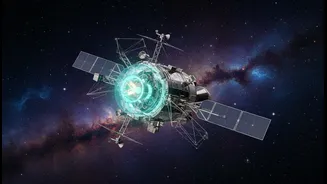


An Orbiting Field of Mirrors
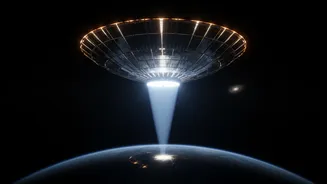
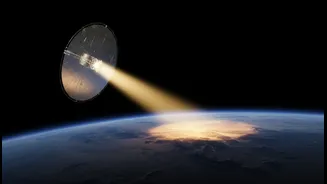
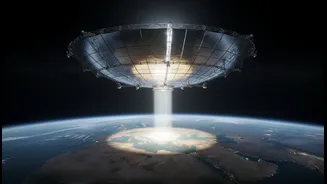
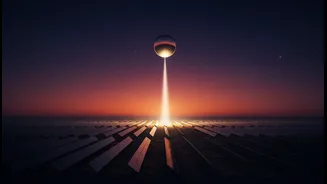
The concept, championed by companies like California-based Reflect Orbital, is a form of space-based solar power. Instead of generating electricity in space and beaming it down, this approach uses a constellation of large, thin mirrors orbiting the Earth.
These satellites would be positioned to catch sunlight even when it's dark on the ground and reflect a concentrated beam of light onto a specific solar farm. The goal is to extend the productive hours of these facilities into the crucial early morning and late evening periods when electricity demand is often highest but solar generation is typically offline. Proponents envision a service where a solar farm operator could essentially log in, provide their coordinates, and receive extra sunlight after dark. A recent test for a single demonstration satellite was approved by the U.S. Federal Communications Commission (FCC) in July 2026, marking a significant step for the technology.
Solving Solar's Biggest Weakness
The core business proposition is solving solar energy's intermittency. Currently, solar power is only available during the day and can be disrupted by cloud cover. This variability makes it difficult to rely on as a consistent source of power, unlike nuclear or natural gas plants. By providing sunlight on demand, orbital reflectors could allow solar farms to generate power closer to 24/7, turning them into more reliable, and therefore more valuable, assets. This could drastically improve their economic viability and help accelerate the transition to renewable energy by providing clean power during peak demand hours. Some projects estimate that a constellation of reflectors could add an extra hour or more of generation time to solar farms each day, significantly boosting their output and revenue.
A New Threat to the Night Sky
However, the idea of intentionally illuminating parts of the nighttime Earth has ignited serious opposition, particularly from the astronomy community and dark-sky advocates. The night sky is already under threat from the growing number of satellite mega-constellations, which create bright streaks in telescope images and contribute to overall skyglow. Scientists argue that a system designed to create beams of light will be far worse. This isn't an unintended side effect; it's the entire point. The International Astronomical Union and groups like DarkSky International have voiced grave concerns, noting that such a service could devastate ground-based astronomy. The light, even when targeted, scatters in the atmosphere, which would brighten the night sky over vast areas, potentially making many fainter stars invisible even from remote sanctuaries. A full constellation of tens of thousands of mirrors could fundamentally alter our view of the cosmos.
More Than Just Lost Stars
The concerns extend beyond astronomy. Artificial light at night is a known disruptor of ecosystems, affecting the behavior of nocturnal animals, from sea turtles to insects. It can interfere with migration patterns, reproduction, and feeding. There are also human health and safety worries. Critics have pointed to the potential for glints from the mirrors to temporarily flash-blind pilots or drivers. Although proponents suggest the illumination would be no brighter than an overcast day, the sheer scale of proposed projects—with some plans calling for tens of thousands of satellites—presents a new level of environmental and safety risk that regulators are only just beginning to grapple with. The FCC’s recent approval for a single test satellite highlights how quickly this new commercial frontier is developing, raising questions about whether current rules are adequate for such novel technologies.