



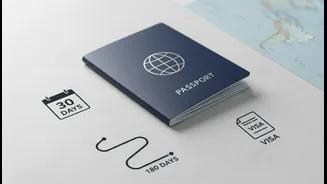


The New Rule: 30 Days Visa-Free
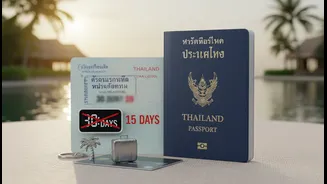
In a significant policy shift, the Thai cabinet has revised its visa regulations for dozens of countries, including India. The previously available 60-day visa-free stay, which was a temporary measure, is being officially withdrawn. In its place, Indian
tourists will now be granted a 30-day visa-exempt entry. This decision reverses an earlier proposal in May 2026 that would have moved India back to a paid Visa on Arrival (VoA) system. The government opted for the 30-day visa-free stay after feedback and a noticeable drop in tourist arrivals from India following the initial confusing announcement. The change aims to balance tourism promotion with national security, creating a more standardized system under a "one country, one entitlement" policy.
Why the Change Happened
The Thai government's decision-making has been dynamic. The initial plan to revoke the 60-day visa-free scheme for 93 countries was driven by concerns over misuse of visa privileges for illegal work and other activities inconsistent with tourism. However, the prospect of ending visa-free entry for Indians altogether and reverting to a paid visa-on-arrival led to a decline of nearly 20% in arrivals from this key market. Recognizing the economic importance of Indian tourists—the third-largest group visiting Thailand—the government recalibrated its approach. The new 30-day visa-free period is seen as a compromise that aligns with the typical travel behavior of Indian visitors, whose average stay is about seven days, while still tightening security protocols.
What This Means for Indian Travellers
For Indian tourists, the new rule simplifies entry but shortens the automatic stay period. Instead of queuing for a Visa on Arrival and paying a fee, you will receive a 30-day entry stamp for free upon arrival. This removes the hassle and cost associated with the VoA process. However, if you were planning a trip longer than one month, you will now need to consider other options. A key point is that the 30-day stay can typically be extended for another 30 days by applying at a local Thai immigration office for a fee of 1,900 THB, allowing for a total stay of up to 60 days. For those planning even longer trips, applying for a 60-day tourist e-visa before departure remains a viable option.
Options for Longer Stays: The DTV
For those who want to stay much longer, such as remote workers or freelancers, Thailand has introduced the Destination Thailand Visa (DTV). This new visa is designed for 'digital nomads' and others who wish to engage in long-term activities like Muay Thai training or cooking classes. The DTV is valid for five years with multiple entries, allowing a stay of up to 180 days (about six months) per entry. This can be extended once for another 180 days, making a total continuous stay of nearly a year possible. Applicants must be at least 20 years old and show proof of sufficient funds—typically around 500,000 THB in a bank account. It's important to note that the DTV does not permit work for Thai companies or clients.
Pre-Travel Checklist
Regardless of the new visa rules, some essentials remain unchanged. Ensure your passport has at least six months of validity from your date of entry. You will also need to complete the mandatory Thailand Digital Arrival Card (TDAC) online before you travel. This is a free process on the official government website and should be done within 72 hours of your arrival. It's also wise to have proof of an onward or return ticket and details of your accommodation, as immigration officers may ask for these. While the entry process is now visa-free for 30 days, being prepared with all necessary documents ensures a smooth start to your Thai holiday.