






The Rise of the 'Shoulder Season'
For years, Indian international travel was predictable, peaking during school summer holidays in May and the festive year-end period in December. But a new wisdom is taking hold. Travellers are increasingly looking to the “shoulder season”—the period just
before or after a destination's peak tourist rush. September, October, and November fit this description perfectly for many parts of the world. According to a recent report from Thomas Cook India, these months are emerging as a new, distinct travel window for Indian families and solo explorers alike. The appeal is simple and powerful: fewer crowds, pleasant weather, and better availability of flights and hotels. This translates into a more relaxed and immersive experience, a stark contrast to the queues and chaos of peak season.
A Change in the Traveller's Mindset
The modern Indian traveller is no longer just a tourist; they are an experience-seeker. Post-pandemic priorities have shifted towards value, authenticity, and flexibility. According to Skyscanner's 2026 Horizons report, a significant number of Indian travellers—around 37 percent—now deliberately book trips in the shoulder season to avoid crowds. Another 40 percent actively seek out quieter destinations. This isn't just about saving money; it's about the quality of the holiday. The goal has evolved from simply seeing a landmark to truly experiencing a place. This might mean enjoying a leisurely coffee in a European square, having a beach to yourself in Southeast Asia, or interacting more meaningfully with locals who aren't overwhelmed by peak-season demand.
Where Are Indians Flying This Autumn?
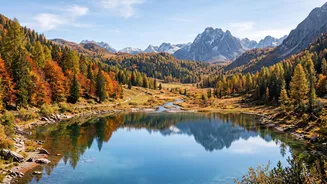
The destinations of choice for this autumn travel boom are diverse. Europe remains a strong favourite, with countries like Italy, Greece, France, and the UK offering beautiful autumn foliage and comfortable sightseeing weather without the summer heat. In Asia, destinations like Japan are seeing a surge in interest for their spectacular autumn colours, which provide a less crowded alternative to the famous cherry blossom season. Southeast Asian hotspots such as Vietnam, Thailand, and Bali (Indonesia) are also popular, as the monsoon season ends, leaving lush green landscapes and pleasant temperatures. Travel portals also report that September is often one of the cheapest months to fly to places like South Korea and Kenya, bringing destinations previously considered expensive within closer reach.
The Undeniable Budget Advantage
While experience is paramount, the financial benefits of autumn travel are a major driving force. Travelling outside the busiest periods can unlock more competitive prices for flights, accommodation, and holiday packages. For example, flights to popular European hubs like Athens can be significantly cheaper in October compared to the summer peak. Similarly, resorts in the Maldives often have better rates in late September before the high season officially kicks off in December. This allows travellers to either save money or allocate more of their budget towards better hotels, unique activities, and richer experiences on the ground. For many, the ability to get five-star luxury for a four-star price is a powerful incentive to shift their travel dates.
A Calendar No Longer Ruled by School Breaks
The rise of remote work, flexible leave policies, and an increasing number of 'DINK' (Dual Income, No Kids) households means that travel is no longer strictly tied to school holidays. Furthermore, the Indian calendar itself, with its numerous festivals like Ganesh Chaturthi, Navratri, and Dussehra in September and October, provides several opportunities for long-weekend trips that can be extended into international holidays. Travel companies have noted that these shorter breaks are increasingly being used for international getaways, a trend driven by younger, more spontaneous millennial and Gen Z travellers. They are replacing the single long annual vacation with multiple, shorter, and more frequent international trips throughout the year.