


Why Your Walk Needs an Upgrade
For many, walking is a go-to activity for staying active, managing weight, and clearing the mind. It’s low-impact, requires no special equipment, and can be done almost anywhere. However, as we age, our bodies change. Metabolism can slow, muscle mass
may decline, and maintaining stability becomes more critical. While any walking is good, simply going through the motions may not be enough to counteract these shifts. The latest thinking in fitness and wellness encourages a more mindful approach to this everyday activity. By actively engaging the upper body through intentional arm movement, you can elevate your walk from a casual pastime to a more potent form of exercise that delivers greater benefits for your heart, muscles, and metabolism.
The Science of an Active Arm Swing
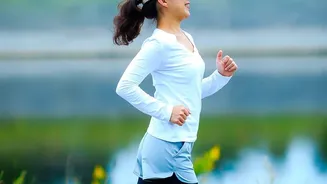
It may seem like a minor adjustment, but purposefully swinging your arms does wonders for your workout. When you walk, your arms naturally swing to counterbalance your legs and maintain stability. By making this movement more deliberate, you significantly increase the intensity. Bending your elbows at a 90-degree angle and swinging your arms from your shoulders turns your walk into a full-body exercise. This technique, often called power walking, engages the muscles in your arms, shoulders, upper back, and core. This increased muscle engagement requires more oxygen, which in turn elevates your heart rate and boosts calorie expenditure. Studies suggest that actively pumping your arms can increase calorie burn by a significant margin compared to walking with passive arms. This makes your walk a more efficient tool for weight management and cardiovascular health.
More Than Just Burning Calories
The advantages of an active arm swing extend beyond metabolic boosts. Engaging your upper body helps improve your posture by strengthening the muscles in your back and shoulders, counteracting the slouch that can come from hours spent at a desk or behind the wheel. This improved posture and core engagement can also enhance your balance and stability, which is crucial for preventing falls as you get older. The rhythmic, coordinated movement of opposite arm and leg sharpens your focus and can even boost your mood. Furthermore, by distributing the effort across your entire body, you reduce the load and impact on your lower-body joints, like your knees and hips, making it a safer and more sustainable activity long-term.
How to Perfect Your Arm Swing
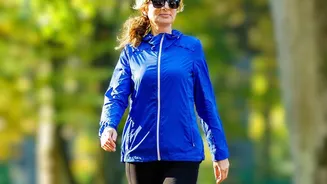
Incorporating an active arm swing into your walk is simple, but proper form is key to maximizing benefits and preventing strain. Start by bending your elbows to a comfortable 90-degree angle. Keep your hands relaxed, not clenched into tight fists, and your shoulders down and back, away from your ears. The swing should originate from your shoulder, not your elbow, like the motion of a pendulum. Swing your arms forward and backward, in opposition to your legs—as your right foot steps forward, your left arm should swing forward. Your hands should travel from roughly your hip or waist level up to about your chest. Avoid swinging your arms across the center of your body, as this can be inefficient and throw you off balance. The focus should be on a powerful backward push as much as a forward swing, which helps to propel you forward and lengthen your stride.
Getting Started and Taking It Further
If you're new to this technique, start slow. Begin by focusing on the arm motion for just a few minutes during your regular walk and gradually increase the duration as you get more comfortable. Initially, your pace might even slow down as you concentrate on the new movement, and that's perfectly fine. Form is more important than speed. Once you’ve mastered the basic arm swing, you might consider another popular option for engaging the upper body: Nordic walking. Using specialized poles, Nordic walking has been shown to engage up to 90% of the body's muscles and further increases calorie burn compared to regular walking. Studies show it's particularly effective for older adults, as it improves upper-body strength and cardiovascular fitness while the poles provide extra stability and reduce stress on the joints.