



Mastering the Heat and Humidity
The most immediate challenge after the monsoon is not just the heat, but the oppressive humidity. When the air is saturated with moisture, your sweat cannot evaporate efficiently, which is your body's primary way of cooling down. This puts extra strain
on your cardiovascular system, making your usual pace feel significantly harder and increasing your risk of overheating. Experts suggest adjusting your expectations; this isn't the time to chase personal bests. Consider running or walking during the coolest parts of the day, such as before 6:30 AM or after sunset. Pay close attention to your body's signals. If you feel dizzy, nauseous, or unusually weak, it is crucial to stop, find a cooler spot, and rehydrate.
Navigating Post-Rainfall Terrain
Monsoon showers leave behind a legacy of treacherous surfaces. Puddles can hide deep potholes, paths can be slippery with mud or slick algae, and loose gravel may have been washed onto roads. Watch your footing with every step to avoid a twisted ankle or a fall. It's wise to shorten your stride and slow your pace, especially on unfamiliar routes or slick surfaces like painted road markings and metal covers, which become extremely slippery when wet. Choosing your route carefully is key. Stick to well-lit paths you know are in good condition and be prepared to alter your course to avoid waterlogged sections.
Guarding Against Seasonal Illnesses
The post-monsoon period sees a spike in vector-borne diseases. Puddles of stagnant water are perfect breeding grounds for mosquitoes that transmit illnesses like dengue, malaria, and chikungunya. To protect yourself, apply a generous layer of mosquito repellent before heading out. Whenever possible, wear full-sleeved, lightweight clothing to create a physical barrier. It's also critical to avoid running or walking through floodwater, which can be contaminated and lead to infections like leptospirosis. If you have any cuts or abrasions, ensure they are covered with a waterproof dressing before you start your workout. Upon returning home, take a shower immediately to wash off any potential contaminants.
Choosing the Right Gear
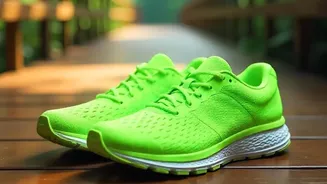
Your gear can make a significant difference. Opt for lightweight, moisture-wicking fabrics like polyester or nylon that pull sweat away from your skin and dry quickly. Cotton, on the other hand, absorbs moisture and becomes heavy and chafing. For your feet, choose shoes with excellent grip and traction to handle slippery surfaces. While waterproof shoes can keep your feet dry from external moisture, they are often less breathable and can trap sweat. An alternative is a shoe with good drainage, paired with synthetic or wool-blend socks that don't hold water like cotton does. Given the darker mornings and evenings, wearing bright, reflective clothing is also a crucial safety measure to ensure you are visible to traffic.
Prioritising Hydration and Electrolytes
Hydrating properly in high humidity is more complex than just drinking water. You lose significant amounts of both fluid and essential minerals (electrolytes) like sodium through sweat. Relying on thirst alone can be misleading, as you're often already dehydrated by the time you feel thirsty. For workouts under an hour, water is generally sufficient. However, for longer runs or if you are a heavy sweater, it is vital to replenish electrolytes. Drinking large amounts of plain water without replacing sodium can lead to a dangerous condition called hyponatremia. Consider carrying an electrolyte drink or a simple homemade mix of salt, lemon, and sugar for longer sessions.
Checking Air Quality and Easing Back In
Post-monsoon air quality can be a concern, with pollutants often trapped by atmospheric conditions. Before heading out, it is wise to check the local Air Quality Index (AQI). On days when pollution levels are high, it may be better to opt for a shorter, less intense workout or exercise indoors. Finally, if you've taken a break from running during the monsoon, ease back into your routine. Your body needs time to re-acclimatise to the heat, humidity, and physical demands. Start with shorter distances and a slower pace, giving your body rest days to recover and adapt. Listening to your body is the most important rule of all.