



An Explosion of Odd Combinations
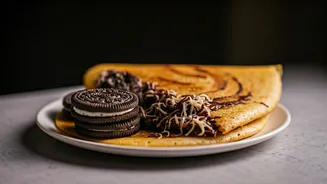
The trend isn't about one single dish but a nationwide movement of culinary chaos. Street food vendors and even some cafes are creating outlandish fusion dishes designed to grab attention. Imagine a dosa, traditionally a savoury crepe, slathered with
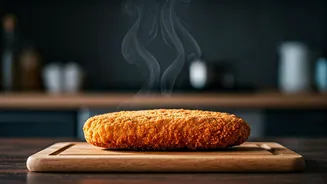
chocolate sauce and topped with cheese. Or consider the Oreo pakoda, where the classic cream-filled cookie is dipped in gram flour batter and deep-fried. Other viral creations include Fanta Maggi, ice cream pani puri, and dal makhani pasta. These combinations defy traditional flavour profiles, mashing together sweet, savoury, spicy, and tangy in ways that are completely unexpected. The goal is less about culinary harmony and more about creating a spectacle.
Engineered for Virality
The driving force behind this phenomenon is undoubtedly social media. Platforms like Instagram Reels and YouTube Shorts have become the new frontier for food marketing, especially for small-scale street vendors. A visually shocking or oversized dish is almost guaranteed to be filmed, shared, and discussed online. Food vloggers and influencers are constantly searching for the next viral hit, and a vendor selling something as outrageous as a 'fire paan' or a 'kulhad pizza' can become an overnight sensation. This digital exposure translates into real-world foot traffic, as curious customers flock to the stalls they saw online, eager to taste the weirdness for themselves and, of course, post their own reaction videos.
The Psychology of the Strange
Why are people so drawn to these bizarre foods? For many, it's about the novelty and the experience. In a world saturated with content, trying something strange offers a unique story to tell. The science of food pairing suggests that contrasting flavours—like sweet and salty or spicy and creamy—can excite our taste buds and trigger a pleasure response in the brain. This trend takes that idea to an extreme. It's a form of adventurous eating, driven by a desire to participate in a cultural moment. People are not just buying food; they are buying an experience that is shareable and instantly recognizable to their online followers.
A Culinary Culture War
Not everyone is a fan. For every person lining up to try a chocolate momo, there's a food purist decrying it as an abomination. Critics argue that these fusions destroy the authenticity and soul of beloved traditional recipes. They see the trend as a gimmick that prioritizes shock value over taste and quality. Many feel that adding excessive cheese, mayonnaise, or chocolate to classic street foods like vada pav or sev puri ruins the delicate balance of flavours that made them popular in the first place. This has sparked a lively debate: is this the creative evolution of Indian cuisine, or a travesty that panders to fleeting social media trends?