


Why Embrace the Slow Cook?
Unlike rolled or instant oats, which are steamed and flattened for quick cooking, steel-cut oats are simply whole oat groats chopped into a few pieces. This minimal processing is their superpower. It means they retain more of their intact fibre, which is great
for digestion and heart health. This structure is also why they take longer to cook—typically 25-30 minutes on the stovetop. The reward for your patience is a wonderfully chewy, nutty-tasting porridge that's less likely to turn mushy. Furthermore, their complex structure results in a lower glycemic index, meaning they release energy more slowly, keeping you feeling full and satisfied for longer without causing a sharp spike in blood sugar. So, that longer cooking time isn't a flaw; it's a feature that unlocks a more satisfying and nutritious meal.
The Perfect Base Recipe
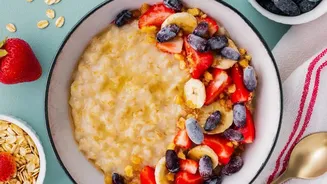
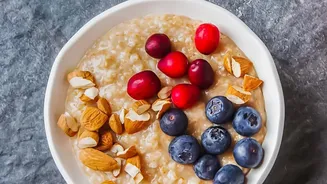
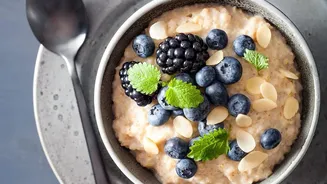
Mastering steel-cut oats starts with a simple formula. The most common ratio is one part oats to four parts liquid, though you can adjust this for a thicker or thinner consistency. Using a mix of half water and half milk creates a wonderfully creamy base. To begin, bring your chosen liquid to a boil in a medium saucepan. Stir in one cup of steel-cut oats and a pinch of salt. Once it's boiling, reduce the heat to low and let it simmer gently, uncovered. You'll need to stir it occasionally to prevent sticking at the bottom. After about 25 to 30 minutes, the oats will be tender, creamy, and ready to be customized. For a time-saving hack, you can soak the oats overnight. Simply bring the oats and water to a boil the night before, turn off the heat, cover the pot, and let it sit. In the morning, you'll only need to reheat and cook for about 5-10 minutes.
An Indian Twist: Masala Gur Porridge
For a flavour profile that feels like home, transform your porridge with classic Indian spices. While your oats are simmering, add a small piece of jaggery (gur) to sweeten the pot, allowing it to dissolve completely. In the last five minutes of cooking, stir in a generous pinch of green cardamom powder and a few strands of saffron for a beautiful aroma and colour. A tiny grating of nutmeg can also add a lovely warmth. Serve this version hot, garnished with a handful of slivered almonds and pistachios for a delightful crunch. For an even richer dessert-like experience, similar to kheer, you can cook the oats entirely in milk and finish with a splash of cream.
Savoury Surprise: Vegetable Masala Oats
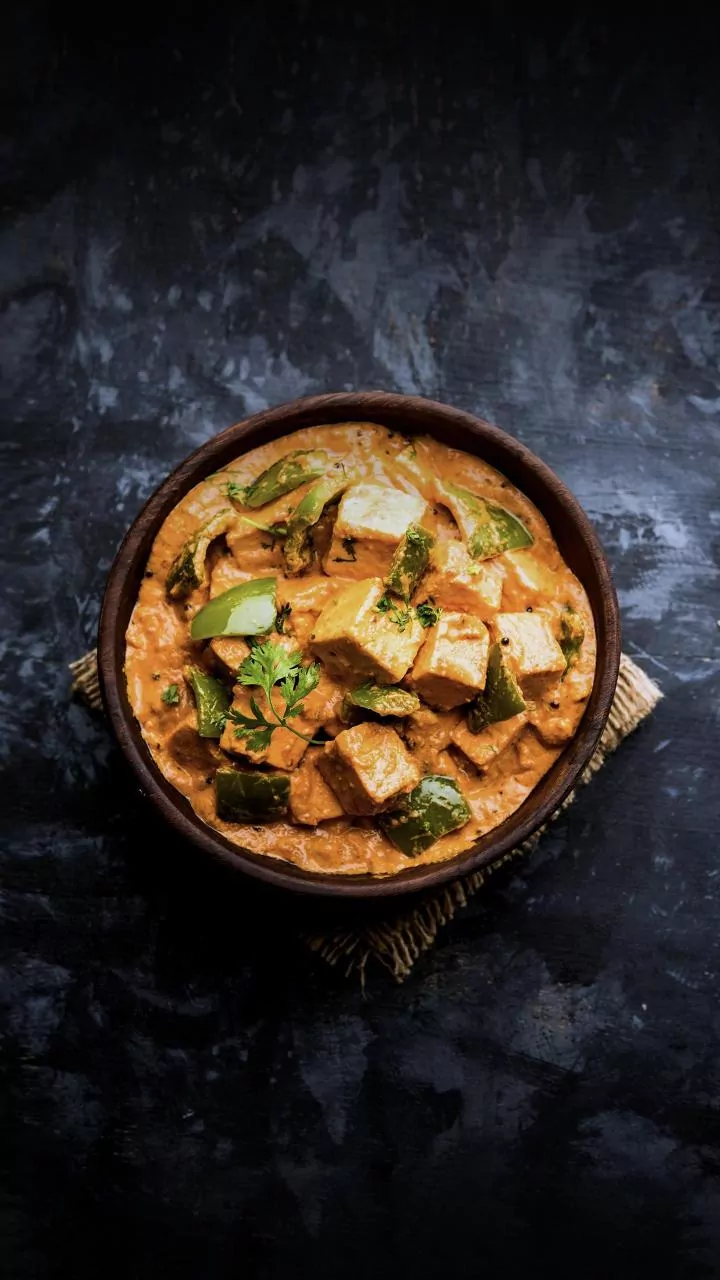
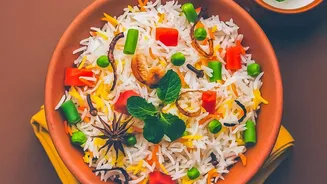
Who says porridge has to be sweet? Steel-cut oats provide a fantastic base for savoury flavours, much like upma or khichdi. To make a savoury version, start by heating a tablespoon of oil or ghee in your pot. Add a teaspoon of cumin seeds and let them splutter. Follow with finely chopped onion, ginger, and a green chilli, sautéing until the onion softens. Then, you can add finely chopped vegetables like carrots, peas, and bell peppers. Stir in the steel-cut oats, coating them in the spiced oil, before adding water or vegetable broth and salt. Cook as you would the basic recipe until the oats are tender and have absorbed the liquid. Finish with a squeeze of lime juice and a garnish of fresh coriander leaves for a vibrant, wholesome meal that’s perfect for breakfast, lunch, or even a light dinner.
Tropical Sunshine: Coconut and Mango
Bring a taste of the tropics to your morning bowl by using coconut milk as your primary cooking liquid. The standard 1:4 ratio of oats to liquid still applies. Use a light canned coconut milk for a creamy texture and rich flavour that isn't overpowering. Let the oats simmer until they are fully cooked and have absorbed the coconut milk. You can add a touch of maple syrup or coconut sugar for sweetness if you like. To serve, spoon the warm porridge into a bowl and top with generous chunks of fresh, ripe mango. A sprinkle of toasted, unsweetened coconut flakes adds a final layer of texture and flavour, creating a breakfast that is both comforting and refreshingly bright.