





The constant hum of traffic, the hazy skyline, the relentless pace—city life can take a toll. An urban recovery holiday is the perfect antidote, offering an intentional escape from pollution and stress to truly recharge your mind and body.
The Hidden Costs of Urban Living
Living in a
bustling metropolis comes with incredible opportunities, but it also carries unseen burdens. Beyond the obvious daily stresses, city environments expose us to a constant barrage of pollutants that affect our health over time. Air pollution, with fine particulate matter like PM2.5, is linked to a host of respiratory and cardiovascular issues. According to the World Health Organization, a vast majority of the global population breathes air that exceeds safety limits. But it’s not just the air. Noise pollution disrupts sleep patterns and increases stress, while constant light pollution can interfere with our natural circadian rhythms. Add the mental fatigue from digital overload and the pressure of an 'always-on' culture, and it becomes clear why so many urban dwellers feel chronically drained.
Defining the Urban Recovery Holiday
This is where the concept of an 'urban recovery holiday' comes in. It’s more than just a typical vacation spent sightseeing or partying. It is a deliberate break designed specifically to counteract the negative effects of city life. The goal isn't to see as much as possible, but to slow down, disconnect, and rejuvenate. These trips prioritise clean air, quiet surroundings, and natural landscapes over crowded tourist spots. The focus is on low-impact activities that promote well-being, such as hiking, reading, meditating, or simply doing nothing at all. This trend has gained traction as people increasingly seek holidays with a clear purpose: to return home feeling genuinely rested and healthier than when they left.
Nature's Proven Healing Effects
The core principle of an urban recovery holiday is immersing oneself in nature, and science backs up the benefits. The Japanese practice of 'Shinrin-yoku', or forest bathing, has been shown to have powerful physiological and psychological effects. Spending quiet, mindful time among trees can lower blood pressure, reduce levels of the stress hormone cortisol, and improve mood. Studies have found that even a short time in nature can boost immune function by increasing the activity of natural killer cells, which help fight off illness. The simple act of looking at green spaces can reduce heart rate, while the increased oxygen levels in a forested environment can improve alertness and sleep quality.
How to Plan Your Restorative Escape
Crafting your own urban recovery holiday is simple. Start by prioritising destinations known for their natural beauty and tranquillity. Look for homestays, small resorts, or eco-lodges situated away from busy town centres. Instead of a packed itinerary, plan your days around gentle activities. Consider a digital detox by limiting screen time, allowing your mind to wander and decompress. Pack comfortable clothes, good walking shoes, and a book you've been meaning to read. The ideal location could be a mountain hideaway, a quiet beach, a forest cabin, or a plantation stay. The key is to choose an environment that allows you to breathe deeply—both literally and figuratively—and disconnect from the pressures of your daily routine.
Inspiration for Your Indian Getaway
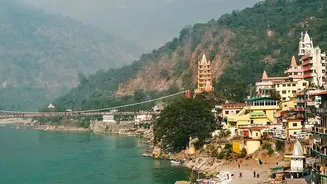
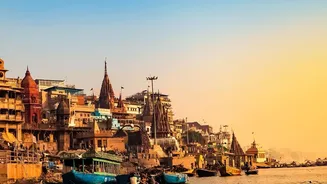
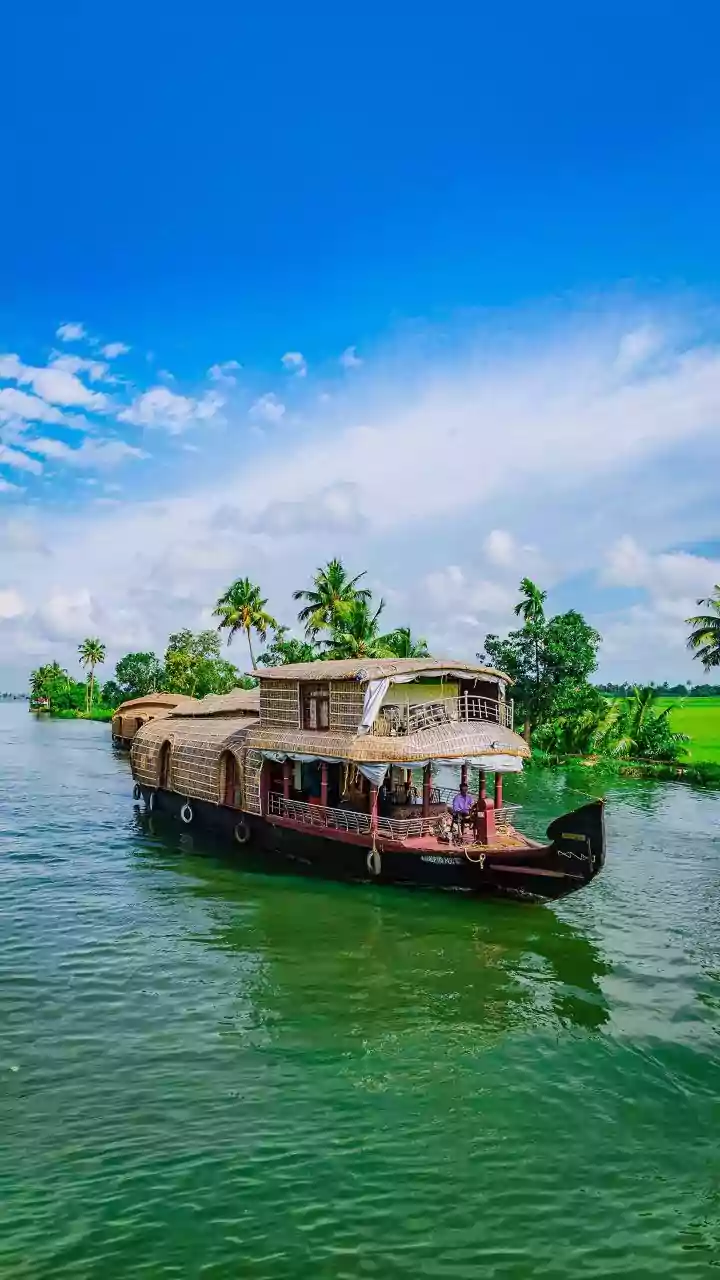
India offers a wealth of destinations perfect for a recovery-focused trip. In the north, consider the quiet villages of Himachal Pradesh like Jibhi or the serene environs of Dharamkot near Mcleodganj, known as a yoga village. For those in the south, the coffee plantations of Coorg, the lessndrowded backwaters of Wayanad in Kerala, or the peaceful beaches of Gokarna in Karnataka offer a slower pace of life. In the east, places like Rinchenpong in Sikkim provide breathtaking Himalayan views without the crowds. Even a short trip to a destination with clean air and green spaces, like a national park or a coastal town, can have a significant restorative effect.