


Prioritise Light, Freshly Cooked Meals
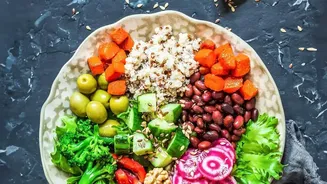
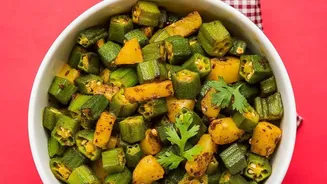
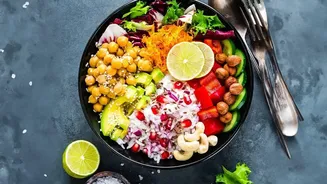
During the monsoon, the digestive system tends to be more sensitive. The high humidity can slow down digestion, making it important to favour lighter meals. Opt for warm, freshly prepared foods like soups, steamed vegetables, and freshly cooked grains.
These are easier on the stomach and carry a lower risk of contamination compared to food left at room temperature. Incorporating immunity-boosting spices like turmeric, ginger, and black pepper into your cooking is also a wise choice, as they have natural antimicrobial properties. Health experts suggest that probiotic-rich foods like curd and buttermilk can help promote good gut health, which is your first line of defence.
Handle Fresh Produce with Extra Care
Leafy green vegetables like spinach and cabbage require special attention during the rains. Their folds can trap dirt and microbes, and the damp conditions are ideal for bacterial growth. It's crucial to wash all vegetables and fruits thoroughly under clean, running water. For leafy greens, consider blanching them in hot water or soaking them in a saltwater solution before cooking. It's generally safer to cook vegetables rather than consuming them raw in salads. When buying produce, look for items that are firm and free from bruises, and try to purchase them in smaller batches to ensure freshness.
Stay Hydrated with Safe Water
Contaminated water is a primary source of illness during the monsoon. Heavy rainfall can overwhelm drainage systems and compromise water supplies. To stay safe, drink only boiled, filtered, or purified water. This applies to water used for cooking as well. Be cautious of ice from unknown sources, as it may be made from unsafe tap water. Instead of roadside juices, which carry a high risk of contamination, opt for warm beverages like herbal teas with ginger and tulsi, or simply carry your own water bottle when out.
Navigate Street Food Cravings Smartly
The craving for hot, crispy snacks is almost synonymous with rainy weather, but street food poses a significant risk. Items like pani puri, chaat, and pre-cut fruits are particularly hazardous due to the use of unpurified water and exposure to flies. If you must indulge, choose vendors who maintain high standards of hygiene and prepare food fresh in front of you. Opt for foods that are served piping hot, such as freshly fried pakoras, roasted corn on the cob (bhutta), or steamed items like idlis and momos, as the high cooking temperature kills most bacteria. However, the safest approach is to prepare your favourite street snacks at home.
Smart Storage and Kitchen Hygiene
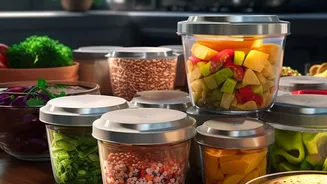
High humidity accelerates food spoilage. Store perishable items like dairy, meat, and seafood in the refrigerator promptly and use them quickly. It is particularly advisable to be cautious with seafood, as the monsoon is a breeding season for fish, which can affect quality and freshness. Use airtight containers to protect dry goods like grains and spices from moisture and mold. In the kitchen, prevent cross-contamination by using separate cutting boards and utensils for raw and cooked foods. Regularly cleaning kitchen surfaces, utensils, and chopping boards with hot, soapy water is a simple but effective habit to keep germs at bay.