

The Quiet Fade of Monochrome
The reign of the all-beige, grey, and greige room is slowly coming to an end. For the past several years, this muted palette dominated social media feeds and show homes, promoted as the pinnacle of 'quiet luxury' and sophisticated minimalism. It offered
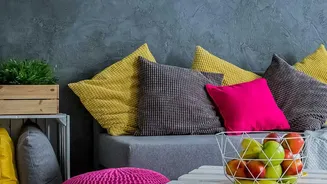
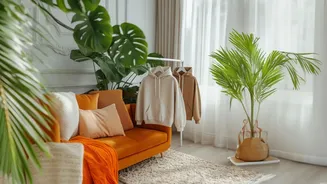
a calm visual escape from a chaotic world and a safe, non-committal choice for homeowners wary of bold decisions. However, what once felt serene and clean is now often perceived as one-dimensional, flat, or even boring. Designers and residents alike are feeling the fatigue of uniformity, realising that a home devoid of rich colour and texture can sometimes feel impersonal and lacking in the very comfort it was meant to provide.
A Turn Towards Texture and Authenticity
The move away from beige is more than just a colour trend; it represents a deeper desire for authenticity and connection in our personal spaces. This shift is largely driven by principles of biophilic design, which is the practice of connecting our indoor environments with the natural world. In a fast-paced, urbanised India, creating a home that feels like a sanctuary is becoming a priority. People want homes that tell a story and reflect who they are, which has sparked a growing confidence to move beyond 'safe' choices. This has paved the way for natural materials, which bring not just visual interest but also a tactile richness that synthetic finishes cannot replicate.
Foundations of Nature: Wood and Stone
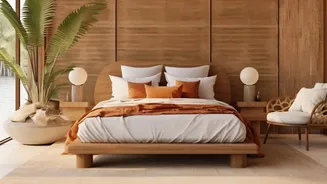
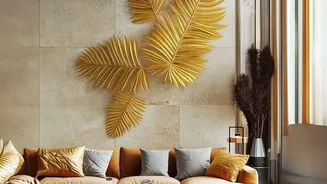
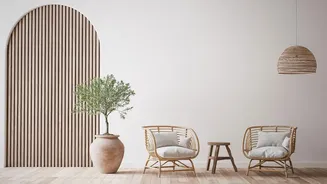
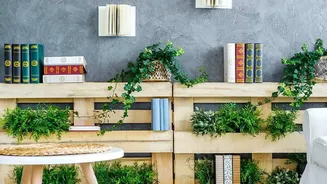
At the forefront of this trend are wood and stone, foundational materials that bring the outdoors in. Light woods like pine and oak are popular for creating bright, inviting spaces, while richer walnuts add depth and heritage. Instead of perfectly polished surfaces, the focus is on visible grain and live edges that showcase the material's history. Similarly, stones like travertine, slate, and marble are being chosen for their unique veins and imperfections. These materials are being used for more than just flooring; think of a stone countertop with natural character, a reclaimed timber feature wall, or a simple wooden dining table that serves as a warm, organic centrepiece for the home.
Weaving in Softness: Jute, Rattan, and Linen
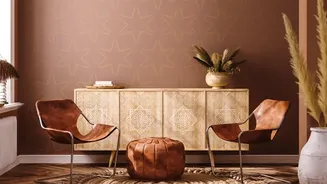
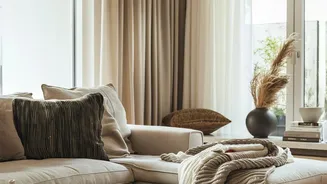
To balance the hardness of wood and stone, woven textures are essential for adding softness and layering. Materials like jute, rattan, cane, and bamboo are seeing a major resurgence. A jute rug can instantly add warmth and texture underfoot, while rattan furniture or bamboo blinds introduce a light, airy feel. These materials connect deeply with traditional Indian craftsmanship, bringing an element of artisanal heritage into modern homes. Textiles are also crucial. Swapping synthetic fabrics for organic ones like linen, wool, and cotton adds a layer of comfort and breathability. Think of linen curtains that diffuse light beautifully or a collection of handwoven cushions that add a pop of subtle, earthy colour.
How to Begin the Transition
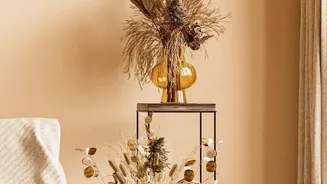
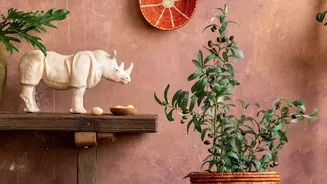
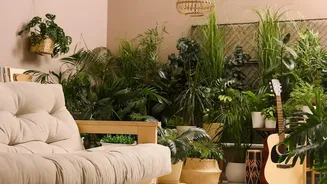
Embracing natural materials doesn't require a complete overhaul. The best approach is to start small and layer elements over time. Begin by swapping out plastic or glossy decor for handcrafted items made of wood, clay, or stone. A few handmade ceramic vases, wooden bowls for keys, or a set of jute coasters can make a noticeable difference. Introduce a single statement piece, like an armchair with a sculptural wooden frame or a live-edge coffee table. Another simple step is to bring in more greenery, using terracotta or ceramic pots that complement the natural aesthetic. The goal is to create a space that feels curated and personal, built with pieces that have meaning and sensory appeal.