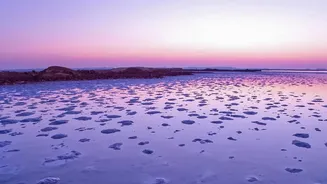






Imagine a tropical beach where the main event begins after sunset. A place so removed from the glare of modern life that the cosmos puts on a nightly spectacle. This isn't a fantasy—it's the reality of Neil Island in the Andaman archipelago.
An Antidote to Artificial Glow
In most travel
destinations, from glittering cities to bustling beach resorts, the night sky is a washed-out, forgotten canvas. Light pollution—the pervasive glow from streetlights, buildings, and vehicles—has robbed us of one of nature's most profound sights. But on Neil Island, officially known as Shaheed Dweep since 2018, darkness is a preserved resource. Located in India’s Andaman Islands, about 36 kilometers from the main hub of Port Blair, this small island has minimal development. With few streetlights and a quiet, unhurried pace of life, it offers an escape into true night, where the sky can be seen in its full, unobscured glory. Its isolation in the Bay of Bengal means the atmosphere is free from industrial smog, resulting in exceptionally clear skies.
The Island's Celestial Theaters
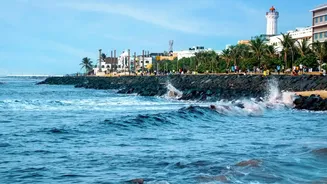
While the entire island is a haven for stargazers, its beaches transform into natural amphitheaters after dark. Laxmanpur Beach, famous for its sunsets, offers a perfect transition from dusk to deep night. Its wide, open shoreline provides an uninterrupted horizon, making it an ideal stage for watching constellations rise over the ocean. Sitapur Beach, known as the 'sunrise beach', offers a more secluded and tranquil experience on the island's eastern edge. Here, the silence is broken only by the gentle lapping of waves, amplifying the meditative experience of stargazing. Even Bharatpur Beach, the island's hub for water sports during the day, becomes a peaceful spot for looking up at the stars once the daytime crowds have departed.
What You'll Actually See
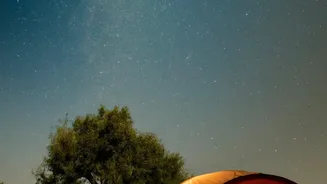
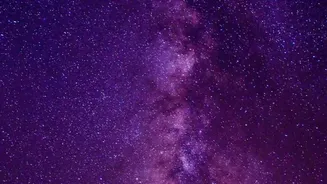
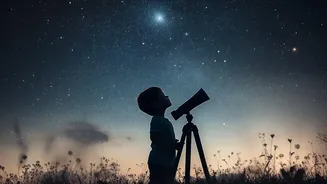
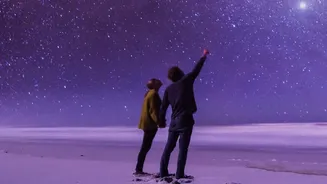
Freed from the veil of light pollution, the night sky over Neil Island is breathtaking. On clear, moonless nights, the Milky Way stretches across the heavens not as a faint smudge, but as a brilliant, textured river of stars. Observers can easily spot constellations, planets, and even meteor showers with the naked eye. Because of the island's location, certain celestial sights not easily visible from more northern latitudes can be seen more clearly. The experience is so profound that the island is gaining recognition as a prime destination for astrotourism, attracting both casual observers and serious astrophotographers looking to capture stunning long-exposure shots.
A World Away from the Crowds
Perhaps the most crucial element of Neil Island's appeal is its atmosphere. It is not a party destination. The vibe is slow, eco-conscious, and deeply connected to nature. Many travelers visit on a brief day trip or a single-night stopover, meaning those who choose to stay longer find an island that feels genuinely peaceful. This tranquility is the perfect complement to stargazing, an activity that demands patience and quiet contemplation. Instead of competing with beachfront clubs and noisy bars, you'll share the night with the sound of the ocean and the rustle of palm trees. This serene environment allows for a deeper, more meaningful connection with the cosmos.
Planning Your Celestial Escape
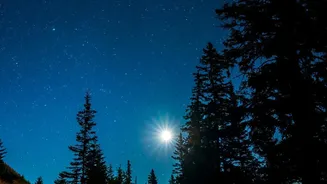
To make the most of a stargazing trip to Neil Island, timing is key. The best season is during the dry months, from November to April, when the skies are consistently clear. For the best views, try to plan your visit around the new moon, when the lack of moonlight allows fainter stars to shine brightly. Reaching the island requires a ferry from Port Blair, a journey that takes approximately 90 to 120 minutes by government ferry or longer via private routes that may stop at Havelock Island. Once there, all you need is a beach mat, a bit of patience for your eyes to adjust to the darkness, and any willingness to be amazed.