


From Discarded Seed to Kitchen Staple
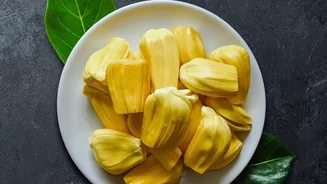
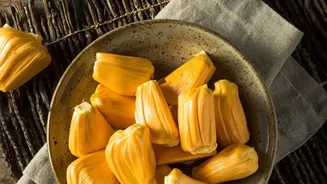
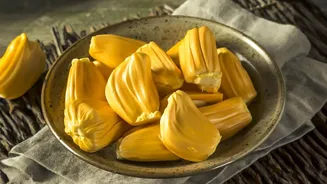
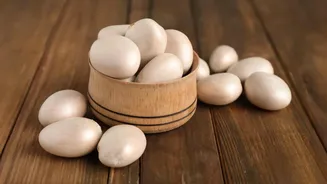
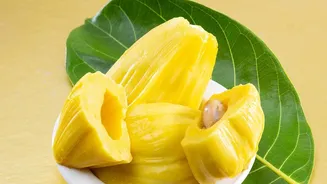
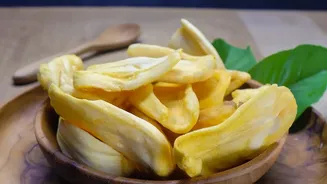
For years, the sweet, fibrous flesh of the jackfruit has been celebrated, especially as a popular plant-based meat alternative. But the seeds, which make up about 15% of the fruit's weight, were often discarded. Now, these overlooked seeds are being transformed
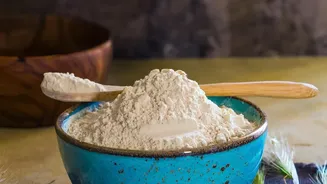
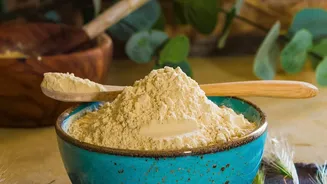
into a fine, nutrient-dense flour. The process is simple: seeds are cleaned, dried, and ground into a powder. This transformation represents a significant step towards zero-waste cooking, turning a byproduct into a valuable food source. This 'waste-to-wealth' approach not only reduces environmental strain but also creates new economic opportunities for jackfruit farmers, particularly in Indian states where the fruit grows abundantly.
A Nutritional Powerhouse
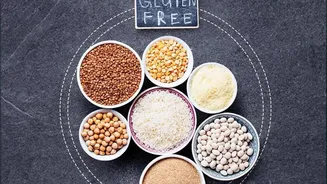
The primary reason for the buzz around jackfruit seed flour is its impressive nutritional profile. It is naturally gluten-free, making it an excellent choice for individuals with celiac disease or gluten sensitivity. But its benefits go much further. The flour is notably rich in protein, containing about 14 grams per 100 grams, which is higher than many common flours like wheat and rice. It is also an excellent source of dietary fibre, with some studies showing up to 31 grams per 100 grams, which aids digestion and promotes satiety. Additionally, it's packed with essential micronutrients like potassium, magnesium, and iron, along with antioxidants such as flavonoids and saponins that may help combat inflammation.
The Gluten-Free Baker's New Best Friend
Finding a gluten-free flour that performs well in baking can be a challenge. Many alternatives can be dense, gritty, or require complex blends. Jackfruit seed flour, however, offers a smoother texture and good binding properties due to its starch content and water absorption capacity. This makes it incredibly versatile. While a 1:1 replacement for wheat flour isn't always recommended, substituting 25-50% of the flour in a recipe can significantly boost nutrition without drastically altering the final product's taste or texture. It has a mild, slightly nutty flavour that doesn't overpower other ingredients, making it suitable for both sweet and savoury dishes—from rotis and dosas to pancakes, cookies, and even as a thickener for curries and stews.
Sustainability and the Indian Connection
The rise of jackfruit seed flour aligns perfectly with a growing global focus on sustainable food systems. By utilizing the seeds, we tap into a resource that is abundant, requires minimal inputs to grow, and is traditionally part of Indian agriculture. India is the world's largest producer of jackfruit, and this trend supports a circular economy by creating value from what was once considered agricultural waste. For the Indian consumer, this means access to a homegrown, cost-effective, and highly nutritious ingredient that has been part of traditional diets in some regions for generations, often consumed boiled or roasted. Now, in its modern flour form, it’s finding its way into kitchens nationwide, from Kerala, where it's used in puttu, to urban homes experimenting with gluten-free baking.