


The pressure of festive hosting is real. We all want a stunning table laden with delicious food, but who has the time to make everything from scratch? The secret lies not in doing it all, but in curating a smart, stylish, and stress-free spread.
The Genius of the Hybrid Spread
Embracing
a mix of store-bought and homemade items is the ultimate hosting power move. It allows you to save precious time and energy, support local businesses, and still infuse the menu with personal touches and family-favourite dishes. The goal is balance: outsourcing the complex or time-consuming elements and focusing your efforts on homemade dishes that offer the most impact. This approach lets you enjoy your own party rather than being stuck in the kitchen. Think of it as a collaboration between your skills and the expertise of your neighbourhood bakers and mithai-walas.
Strategic Buys: What to Get from the Bakery
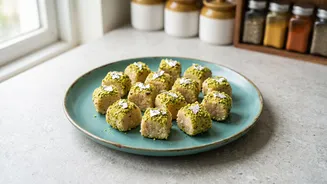
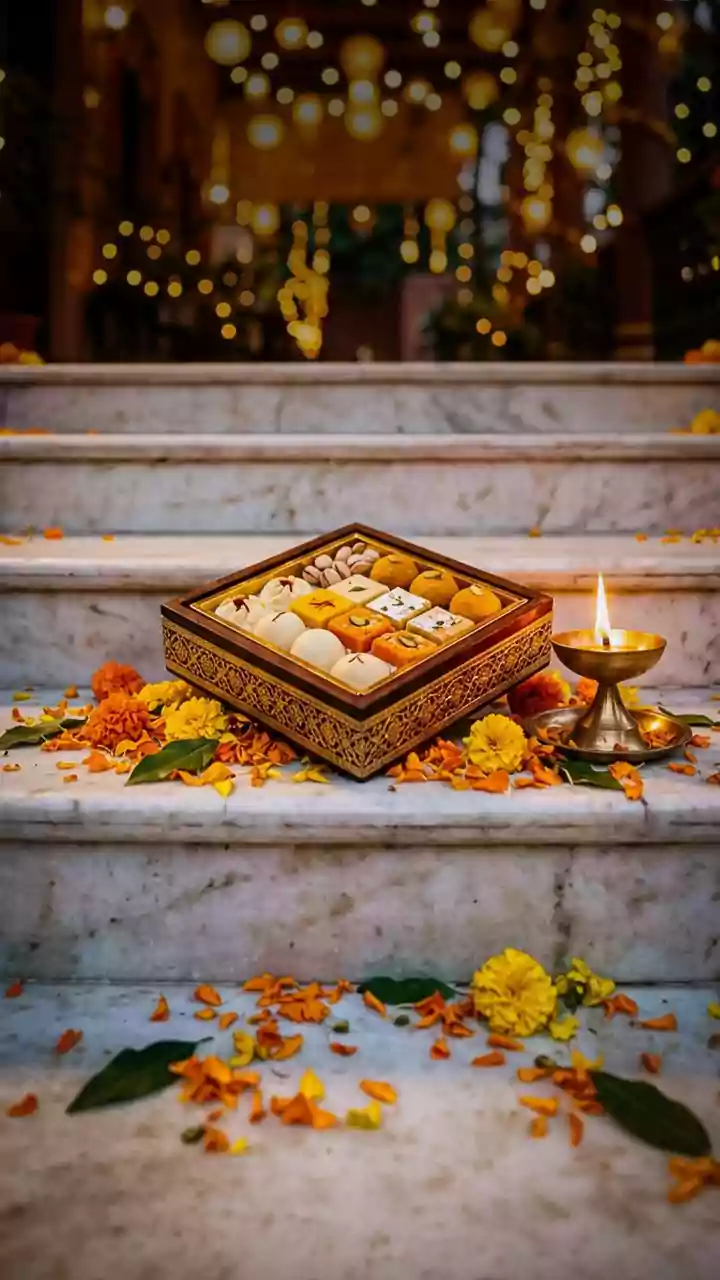
Your local bakery or sweet shop is your best friend. Be strategic about what you purchase. Focus on items that are technically difficult, require special equipment, or are simply done best by professionals. This includes specialty breads like sourdough or focaccia, flaky croissants, and delicate pastries. For an Indian festive context, this is where you buy beautifully made mithai like kaju katli or motichoor ladoo. Savoury items like perfectly crisp samosas, kachoris, or dhokla are also excellent items to buy, as they are often made best in large batches by seasoned experts. This frees you from the most labour-intensive tasks.
Heartfelt & Homemade: What to Make Yourself
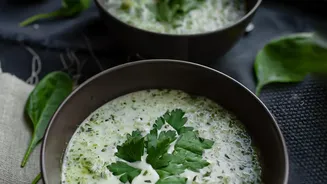
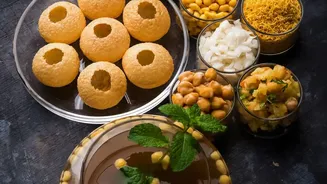
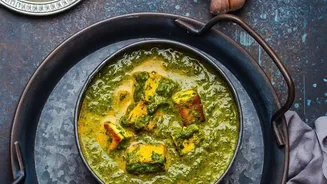
This is where you add your personal signature to the meal. Focus on making dishes that are simple but deliver big on flavour, carry nostalgic value, or are best served fresh. Homemade chutneys—like a vibrant mint-coriander or a sweet-tamarind—can instantly elevate store-bought snacks. A large, one-pot dish like a flavourful biryani or a rich paneer butter masala can serve as the centrepiece of your spread, offering a comforting and substantial homemade element. Fresh salads and raitas are also easy to whip up and provide a fresh contrast to richer foods. The key is to choose recipes you are comfortable with and that don't require last-minute fuss.
The Art of Assembly: Bringing It All Together
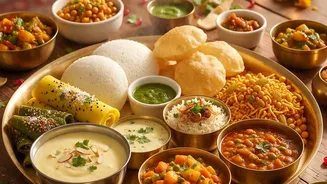
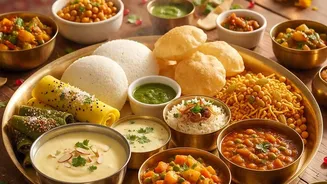
Presentation is what turns a collection of dishes into a curated spread. The trick is to blur the lines between what's homemade and what's store_bought. Decant everything onto your own serveware. Arrange store_bought samosas on a beautiful platter with a bowl of your homemade chutney. Create an Indian_style grazing board by artfully arranging purchased chakli, mathri, and bhakarwadi alongside homemade snacks and bowls of nuts and dried fruits. Use varied heights with tiered stands, and fill any gaps on the platter with fresh garnishes like pomegranate seeds, chopped nuts, or fresh coriander to make the entire spread feel cohesive and abundant.
A Sample Hybrid Festive Menu
To see how it works, imagine a Diwali dinner. Start by buying a selection of savoury snacks like mini samosas and paneer tikka skewers from a local caterer. For the main course, you could prepare your family's signature chana masala and serve it with ready_to_heat naan bread purchased from a good bakery. For dessert, arrange a platter of elegant barfis and ladoos from your favourite mithai shop, but place them alongside a simple, homemade sooji halwa or kheer. This balance ensures a diverse and delicious menu without overwhelming the host. It's a feast that feels both grand and deeply personal.