






The Pledge of an Eco-Trekker
Before lacing up your boots, it's crucial to understand what makes a trek ‘eco-friendly’. It’s more than just a buzzword; it's a philosophy of mindful travel. The core principle is ‘Leave No Trace’, which means packing out everything you pack in, including
wrappers and waste. But it extends further. Eco-trekking involves actively supporting local communities by hiring local guides and porters, staying in homestays instead of large commercial hotels where possible, and using resources like water sparingly. It means respecting wildlife by observing from a distance and keeping noise to a minimum. An eco-trekker doesn’t just conquer a summit; they become a temporary custodian of the mountain, ensuring its pristine beauty remains intact for the next visitor and for generations to come.
1. Valley of Flowers National Park
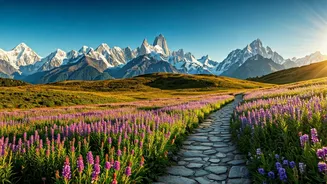
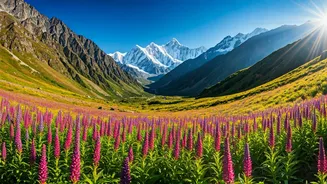
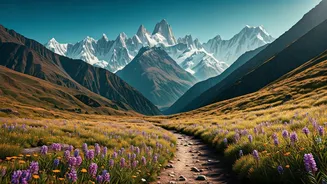
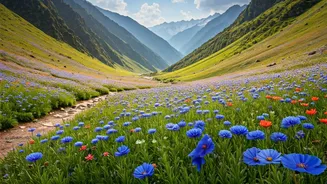
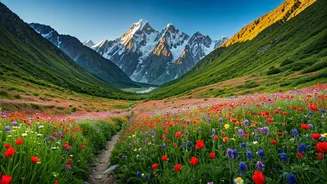
A UNESCO World Heritage Site, the Valley of Flowers is the quintessential eco-trek. Open from June to October, this trail is a living canvas of over 500 species of alpine flora. The park authorities enforce strict rules to protect its fragile ecosystem: plastic is banned, camping within the valley is prohibited, and visitors must trek back to the base camp at Ghangaria by evening. This regulated approach makes it a perfect destination for those who want to see conservation in action. The trek itself is moderate, starting from Govindghat. The reward is a surreal walk through meadows blanketed in flowers, with the Pushpawati River flowing through and snow-capped peaks forming a dramatic backdrop. The limited visiting hours ensure the valley gets its much-needed rest from human activity each day.
2. Dayara Bugyal Trek
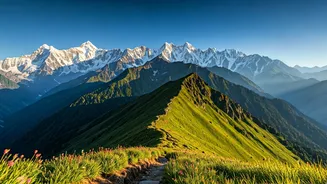
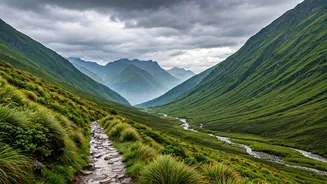
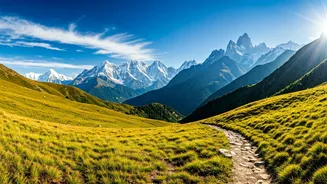
Often hailed as one of India’s most beautiful high-altitude meadows (‘bugyal’), Dayara is a spectacular expanse of rolling green carpets spread over 28 square kilometres. The trek to Dayara Bugyal is relatively easy, making it accessible for beginners and families. The ‘eco’ aspect here lies in preserving this delicate grazing ground. Trekkers are encouraged to stick to designated trails to prevent soil erosion and damage to the grasslands. The route, starting from the village of Barsu, offers opportunities to stay in local guesthouses and homestays, directly contributing to the village economy. In summer, the meadow is a lush green, dotted with sheep and cattle, offering panoramic views of Himalayan giants like Bandarpoonch and the Gangotri range. It’s a lesson in the symbiotic relationship between nature and local communities.
3. Har Ki Dun Valley
The ‘Valley of Gods’ offers a unique blend of natural beauty and cultural immersion. This cradle-shaped valley is not just a trek; it’s a journey back in time. The trail passes through ancient villages like Osla, where life continues much as it has for centuries. For the eco-trekker, this is a golden opportunity to engage with and support a unique mountain culture. By staying in village homestays, you can experience the local Garhwali hospitality and cuisine. The trek, which is moderate in difficulty, follows the Supin River and is surrounded by forests of pine and deodar. The final destination, Har Ki Dun valley, offers majestic views of Swargarohini Peak. The key here is respectful tourism: ask for permission before taking photographs of people and be mindful of local customs.
Your Eco-Trekking Checklist
Being prepared is the final step in responsible trekking. First, carry a reusable water bottle and a water purifier or purification tablets to avoid buying single-use plastic bottles. Second, pack a dedicated garbage bag and commit to carrying all your non-biodegradable waste back to the city for proper disposal. Third, choose biodegradable soaps and toiletries to avoid contaminating local water sources. Fourth, hire registered local guides and porters; they possess invaluable knowledge of the terrain and their employment supports the mountain economy. Finally, dress in layers but pack light. A heavy backpack not only tires you out but also increases your environmental footprint. By following these simple steps, your summer adventure in the Himalayas can be a force for good.