





The Soul of the Haveli
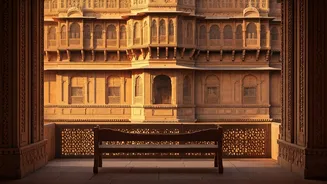
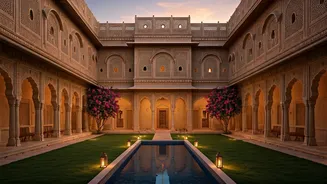
Before they were boutique hotels, they were havelis—grand private mansions built by wealthy merchants and nobles, particularly in regions like Rajasthan and Gujarat. Constructed between the 18th and early 20th centuries, these homes were architectural
marvels, designed for the climate and as a display of status. A typical haveli is built around one or more central courtyards, which acted as natural air conditioners, creating a cool sanctuary from the harsh desert sun. They are renowned for their intricate frescoes, detailed carvings (jharokhas), and majestic gateways. Staying in one isn't just booking a room; it's inhabiting a piece of living history, where every archway and mosaic tells a story of a bygone era of trade, art, and aristocratic life.
Romance Etched in Stone
The romance of a haveli stay is multi-layered. It begins with the sheer beauty of the architecture—sunlight filtering through carved stone screens, painting moving patterns on cool marble floors. It’s in the private courtyards filled with the scent of jasmine and the sound of a distant fountain. Unlike a standard hotel, havelis offer intimacy and seclusion. You might find yourself dining on a private terrace overlooking a fort, or sleeping in a room that was once a merchant prince's chamber. The history itself is romantic, whispering tales of grand celebrations, secret conversations in curtained balconies, and generations of family life. It’s an immersive experience that feels less like a vacation and more like being a guest in a magnificent, historical home.
What 'Low Footprint' Really Means
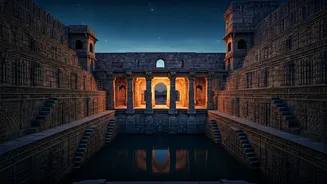
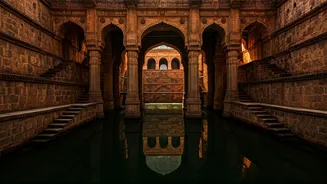
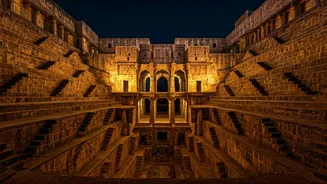
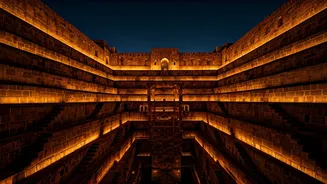
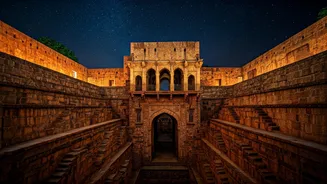
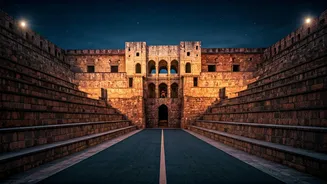
The term 'low footprint' is not just a marketing buzzword for these properties. It’s a philosophy rooted in the very design of the havelis. The original architects were masters of sustainable building. The courtyards promote natural ventilation, thick stone walls provide insulation, and stepwells (baoris) were ingenious systems for rainwater harvesting. Modern haveli restorations build on this legacy. Many consciously avoid energy-guzzling air conditioners, relying instead on traditional cooling methods. They often practice rainwater harvesting, recycle water for their gardens, and use solar power. Furthermore, they champion localism by sourcing food from nearby farms, employing staff from the surrounding community, and using local artisans for restoration work. This approach not only preserves the environment but also sustains the local economy and culture.
The Definition of Boutique
In the context of a haveli, 'boutique' signifies an experience defined by personality and exclusivity. With a limited number of rooms—often between 10 and 30—service is highly personalised. The owner or manager is frequently on-site, sharing stories about the property’s history and offering tailored recommendations. Each room is typically unique, decorated with a mix of antique furniture and local crafts, preserving the original character while providing modern comforts. This is the antithesis of the cookie-cutter hotel chain. The experience is curated from start to finish, from bespoke meals that cater to your palate to unique activities like a guided heritage walk through the village or a block-printing workshop with a local artisan. It's about quality over quantity, and character over conformity.
Where to Find These Desert Gems
The heartland for these heritage stays is Rajasthan. The Shekhawati region, often called the 'open-air art gallery of Rajasthan', is famous for its havelis adorned with vibrant frescoes. Towns like Mandawa and Nawalgarh are dotted with beautifully restored properties. Further west, cities like Jodhpur and Jaisalmer offer havelis tucked away in their ancient walled cities, providing a tranquil escape from the bustling streets. When searching, look for properties that explicitly detail their restoration philosophy and sustainability practices. The best haveli hotels are not just preserving a building; they are custodians of a culture, offering guests a chance to become part of its story, even if just for a few nights.