

The Real Cause of Your Stiffness
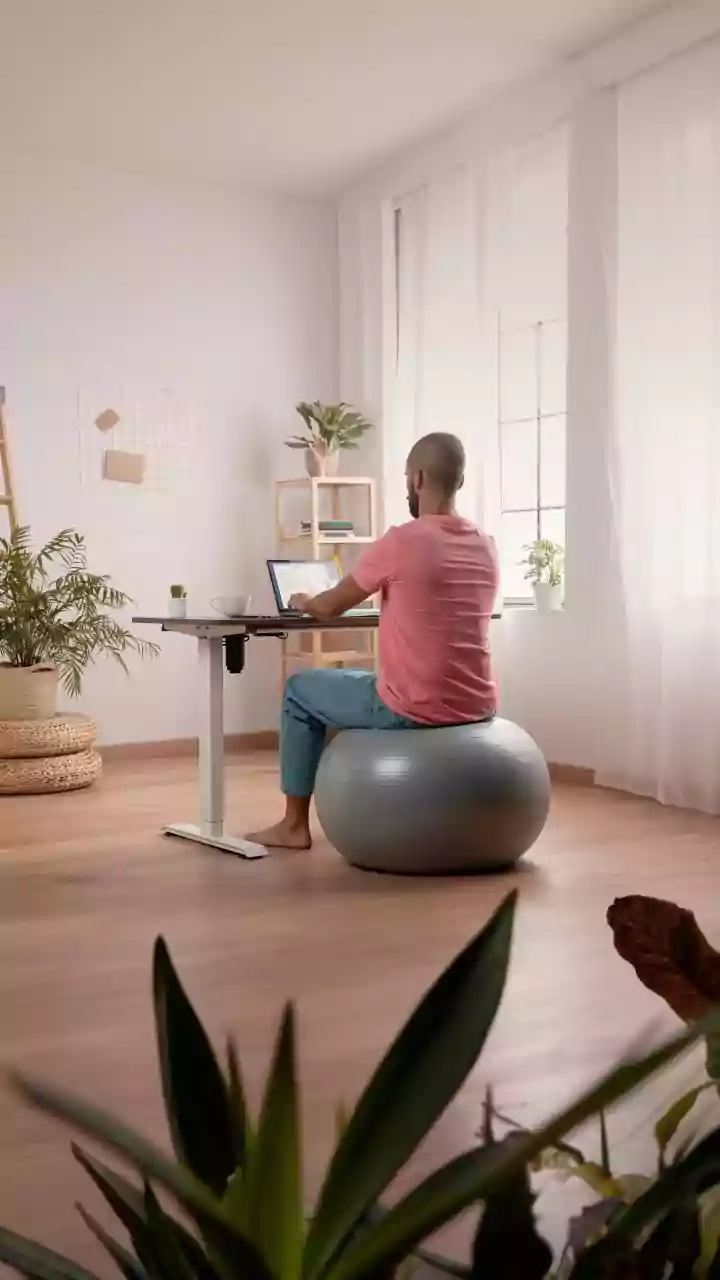
For many of us, life involves long periods of sitting—at a desk, in a car, or on the couch. While it seems harmless, this prolonged sitting keeps your hip flexors, the muscles at the front of your hips, in a constantly shortened position. Over time, these
muscles become tight and weak. At the same time, the muscles on the opposite side, your glutes, become inactive and lose strength from underuse. This muscular imbalance is a primary driver of discomfort, creating a domino effect that travels up your entire body. When your tight hip flexors pull your pelvis forward, it can create an exaggerated curve in your lower back, a condition known as anterior pelvic tilt. This not only leads to persistent lower back pain but also forces your upper body to compensate, often resulting in slumped shoulders and a forward-leaning posture.
Your Secret Weapon: Hip Mobility
Improving your hip mobility is one of the most effective ways to counteract the effects of a sedentary lifestyle. It's not about becoming a contortionist; it's about restoring your body's natural range of motion. When your hips are mobile, they act as the stable foundation they are meant to be, taking pressure off other areas. The benefits are immediate and far-reaching. By releasing tension in the hips, you allow your pelvis to return to a more neutral alignment, which immediately reduces strain on your lower back. This, in turn, helps your spine stack correctly, improving your overall posture. Flexible hips also make everyday movements like bending, squatting, and even walking feel easier and more fluid.
Your 10-Minute Daily Mobility Routine
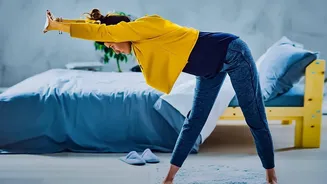
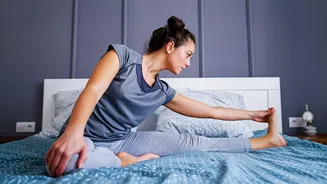
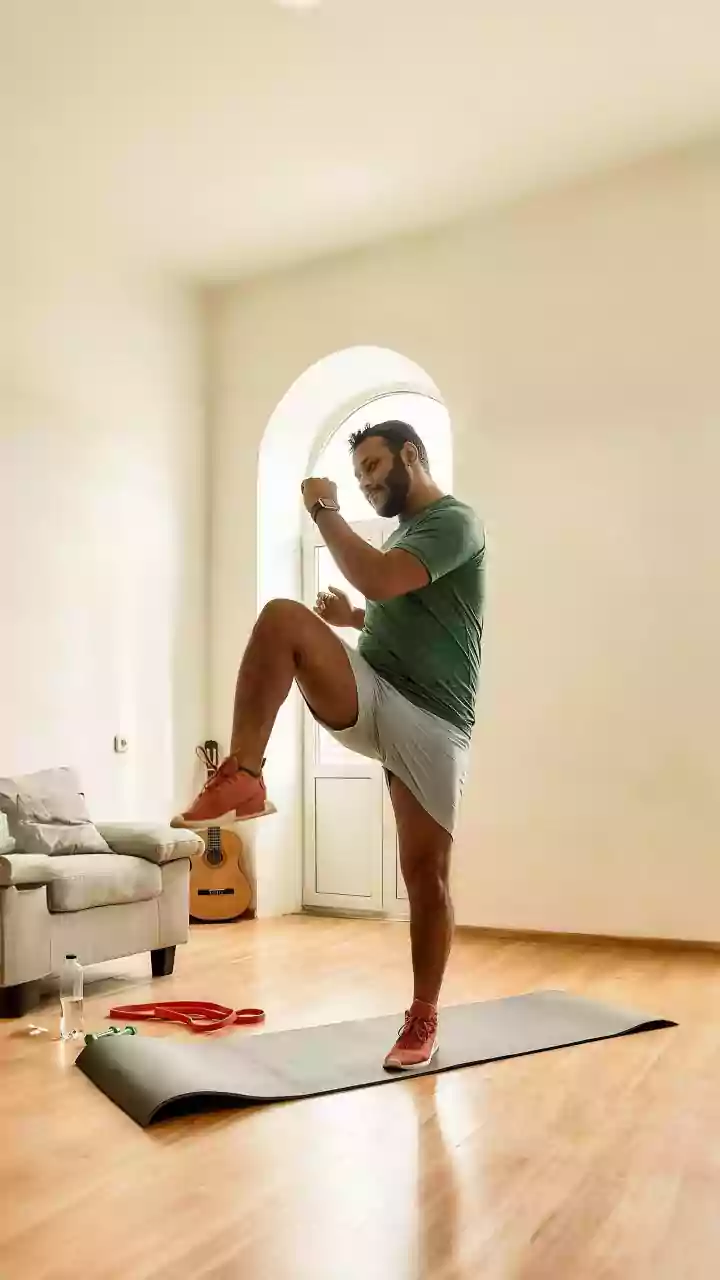
The key to lasting relief is consistency. You don't need a long, intense workout. Just ten minutes a day can make a significant difference. Try incorporating these four simple, equipment-free movements into your morning or as a break from sitting. Remember to move slowly and avoid pushing into sharp pain.
Move 1: Kneeling Hip Flexor Stretch
This stretch directly targets the muscles that get tight from sitting. Start in a kneeling lunge position, with your right foot forward and your left knee on the ground (use a cushion if needed). Keeping your back straight, gently push your hips forward until you feel a comfortable stretch in the front of your left hip. Engage your core to prevent your lower back from arching. Hold the position for 30 seconds, breathing deeply, then switch sides. Repeat twice on each leg.
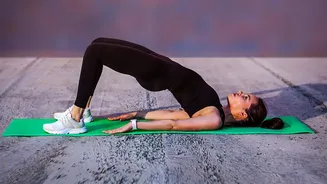
Move 2: Glute Bridge
Because weak glutes contribute to hip issues, activating them is crucial. Lie on your back with your knees bent, feet flat on the floor hip-width apart, and your arms by your sides. Squeeze your glutes and lift your hips off the floor until your body forms a straight line from your shoulders to your knees. Hold for a few seconds at the top, focusing on the glute contraction, then slowly lower back down. Aim for 10 to 15 repetitions.
Move 3: Cat-Cow Stretch
This classic yoga pose helps improve spinal flexibility, which is often compromised by poor posture. Start on your hands and knees in a tabletop position, with your wrists under your shoulders and knees under your hips. As you inhale, drop your belly, lift your chest, and look forward (Cow). As you exhale, round your spine toward the ceiling, tucking your chin to your chest (Cat). Flow between these two positions for 8 to 10 repetitions, linking your breath to the movement.
Move 4: Seated Butterfly Stretch
This stretch helps open the hips and stretch the inner thighs. Sit on the floor and bring the soles of your feet together, letting your knees fall out to the sides. Hold onto your ankles or feet. Sit up tall to lengthen your spine, and then gently press your knees toward the floor. You should feel a stretch in your groin and inner hips. Hold for 30 seconds, and remember to breathe. Avoid bouncing; a gentle, steady pressure is more effective.
Consistency Is Better Than Intensity
Making these simple movements a part of your daily life is the most important step. Think of it as maintenance for your body. Taking short, frequent breaks to stand up and stretch throughout the day can also prevent stiffness from setting in. You might feel some minor soreness when you first start, but you should not feel sharp pain. The goal is to build a sustainable habit that helps you feel more comfortable in your own body, allowing you to stand taller and move with greater ease.