




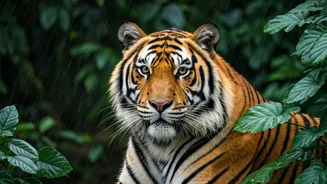


The Predictable Monsoon Break
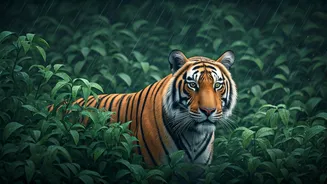
The most common reason for safari suspensions is, of course, the monsoon season, which typically runs from July to September. During this period, heavy downpours make the mud trails inside parks like Ranthambore, Jim Corbett, and Kaziranga slushy and impassable
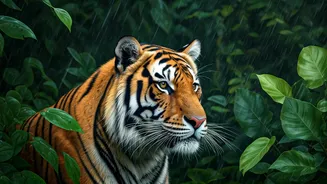
for safari vehicles, creating safety risks for visitors and staff. Beyond logistics, this closure serves a vital ecological purpose. It provides a crucial, undisturbed period for many species—including tigers, leopards, and elephants—to breed and rear their young. The break also allows the forest ecosystem to naturally rejuvenate, with vegetation regenerating and water bodies being replenished, ensuring the habitat remains healthy and vibrant for the coming year.
The Growing Threat of Extreme Heat
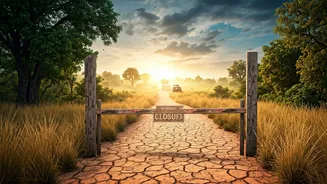
While summer has traditionally been a popular time for wildlife sightings as animals gather around scarce water sources, increasingly intense heatwaves are becoming a serious concern. Extreme temperatures, often soaring above 40°C, pose health risks not only to tourists but also to the animals and the park staff who work under the harsh sun. While widespread, official closures due to heat are not yet a standard annual practice like monsoon breaks, unseasonable weather events can lead to sudden suspensions. As climate patterns shift, park authorities are faced with balancing peak viewing opportunities with the welfare of both wildlife and people, making temporary closures or adjusted safari timings during extreme heat a growing possibility.
The Pressure of Overtourism
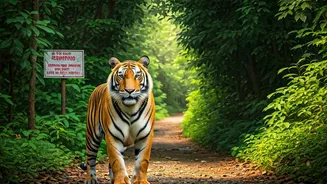
India's national parks are more popular than ever, but this success comes at a cost. Overtourism is placing immense strain on fragile ecosystems, leading to new kinds of restrictions. Incidents of safari vehicles crowding animals, like a tigress and her cubs, have prompted courts and authorities to intervene. A Supreme Court-appointed committee even recommended discontinuing a bus service in Corbett's core zone after noting its negative impact on tigers and elephants. In response, parks are implementing stricter regulations, such as capping the number of vehicles allowed in certain zones, to reduce stress on wildlife and mitigate habitat damage. These measures, aimed at making tourism more sustainable, can mean fewer available safari slots or the temporary closure of specific areas to give them a chance to recover.
Conservation and Administrative Needs
Sometimes, safaris are halted for proactive conservation and management activities that require minimal human disturbance. These can include scientific research, animal census counts, or the delicate process of relocating wildlife to other areas. Furthermore, park management itself can influence access. For instance, some parks like Ranthambore have implemented a rotational weekly closure system, where different zones are closed on different days of the week to give animals a regular, predictable break from tourist activity. The closure period is also used by park authorities to carry out essential maintenance on roads, bridges, and other infrastructure that is crucial for both tourism and anti-poaching patrols.
VIP Visits and Security Protocols
An often unspoken reason for disruptions is the movement of VIPs. Visits from high-profile government officials or other dignitaries can lead to temporary closures of certain park zones or entire parks for security reasons. This can disrupt the plans of regular tourists who have booked safaris well in advance. Controversies have arisen over alleged rule-bending for such visits, including safaris extending beyond the official closing times and using artificial lights for sightings, which is prohibited by the National Tiger Conservation Authority. In some cases, there have been allegations of a black market for VIP quota safaris, where access is sold at inflated prices, further complicating access for the general public.