

Taste the Rainbow
All bell peppers start as the same fruit, but their colour, flavour, and nutritional profile change as they ripen. Green peppers are harvested earliest, giving them a slightly bitter, grassy flavour and the lowest sugar content. As they mature on the vine,
they turn yellow, orange, and finally red. Red bell peppers are the sweetest and most nutritious, boasting significantly more Vitamin C and beta-carotene than their green counterparts. For a balanced stir-fry with a range of flavours and nutrients, using a mix of colours is always a great idea.
How to Pick the Perfect Pepper
Your perfect stir-fry starts at the vegetable cart. When selecting bell peppers, look for ones that feel firm and heavy for their size. The skin should be bright, shiny, and smooth, free from any wrinkles, soft spots, or blemishes. A fresh pepper will yield only slightly to firm pressure. Also, check the stem; it should be fresh and green, not browned or dried out, which can be a sign of age. A thick-walled pepper will have more substance and a crunchier texture, which you can often feel by gently squeezing it.
Prep School: Slicing for Success
Proper preparation ensures your peppers cook evenly and have the right texture. First, wash and thoroughly dry your peppers. For stir-frying, cutting them into uniform pieces is key. The easiest method is to slice the pepper in half lengthwise, remove the stem, seeds, and the white pith inside. Then, lay the halves flat on your cutting board, skin-side down, and slice them into thin, even strips, often called julienning. This cut is ideal for stir-fries as it provides a good surface area for quick cooking while retaining a satisfying crunch.
The Art of the Stir-Fry
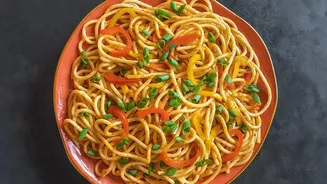
The secret to a great stir-fry is high heat and speed. Overcooking is the most common mistake, resulting in soggy, lifeless peppers. To avoid this, heat your wok or pan until it's very hot before adding a neutral oil with a high smoke point, like peanut or canola oil. Add your sliced peppers in small batches to avoid overcrowding the pan, which can steam the vegetables instead of searing them. Stir-fry for just a few minutes, tossing occasionally, until they are slightly tender but still crisp and vibrant. The goal is to get a slight char while preserving that signature crunch.
Perfect Pantry Pairings
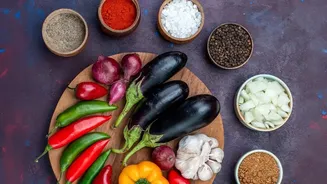
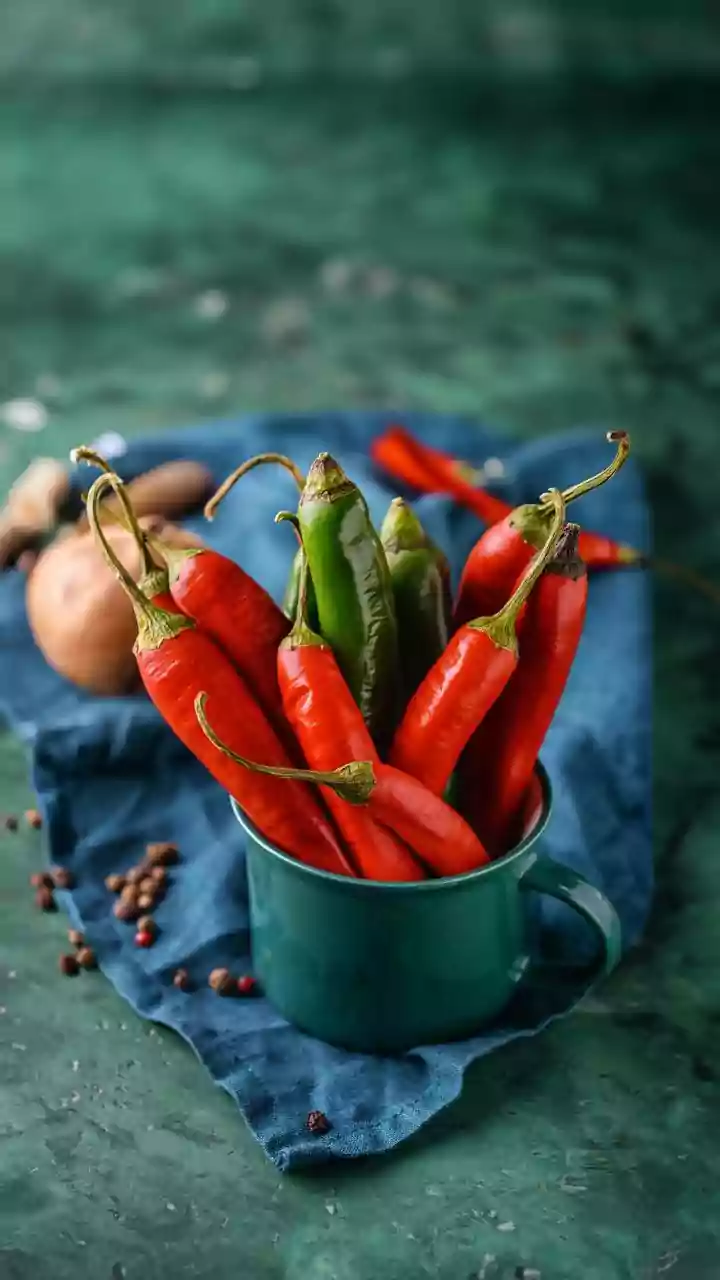
Bell peppers are team players and pair beautifully with a wide array of ingredients commonly found in an Indian pantry. For a simple and flavourful base, start by stir-frying aromatics like minced garlic, ginger, and green chillies before adding your peppers. Vegetables like onions, carrots, mushrooms, and baby corn are excellent companions. For protein, paneer cubes or boiled chickpeas work wonderfully. A simple sauce made from soy sauce, a touch of vinegar, and perhaps a pinch of sugar can tie everything together. Other complementary spices include cumin and a dash of black pepper.
Beyond the Basics
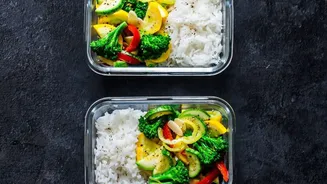
Once you've mastered the basic technique, feel free to experiment. For a nutty aroma, finish the stir-fry with a sprinkle of toasted sesame seeds or a dash of sesame oil after turning off the heat. Adding other greens like bok choy or spinach in the last minute of cooking adds another layer of texture and nutrition. You can also incorporate cashews or peanuts for extra crunch and protein. Serve your stir-fry hot with steamed rice or noodles for a complete and satisfying meal that comes together in minutes.