





Beyond the Shopping Bag
The idea of building a weekly menu around seasonal, regional produce is gaining traction across India. It promises fresher ingredients, better nutrition, and a deeper connection to our food systems. Yet, many of us who start with the best intentions often
find ourselves with a fridge full of beautiful, unfamiliar vegetables and no clear plan. The missing piece of the puzzle isn't a new recipe book; it's a shift in perspective. Instead of just asking, "What's in season?", we should also ask, "What am I going to cook with it?". Planning meals with the final dish in mind—specifically, versatile staples like curries and stir-fries—is the key to making seasonal eating a practical and sustainable habit rather than a daunting chore.
The Ultimate Team Players: Curries and Stir-Fries
Curries and stir-fries are the unsung heroes of the Indian kitchen, known for their incredible flexibility. These one-pan wonders are designed to accommodate a wide variety of ingredients, making them the perfect vehicles for seasonal produce. A basic 'masala' base can welcome anything from tender monsoon gourds to hearty winter roots without needing a drastic change in technique. Similarly, a quick stir-fry, or 'sabzi', can transform a handful of whatever is fresh at the market into a delicious side dish in minutes. This adaptability means you don't need to learn a dozen new recipes each season. You just need to know which vegetables to swap in and when, allowing your favourite dishes to evolve naturally with the calendar.
Monsoon Menu Makeover
The monsoon season (roughly June to September) brings a bounty of specific vegetables that thrive in the wet, humid conditions. This is the time for gourds of all kinds: snake gourd (chichinda), ridge gourd (turai), and bottle gourd (lauki) are abundant. Markets also feature unique produce like teasel gourd (kantola), which is excellent in stir-fries. Rather than seeing these as limiting, think of them as perfect additions to your go-to meals. A simple lauki can be transformed in a light 'yakhni' curry, while snake gourd and spinach work beautifully in a simple 'dal'. The key is to match the vegetable's texture and flavour profile to the cooking style. Tender greens like amaranth leaves (chaulai) can be quickly sautéed, while gourds are perfect for simmering in gravies.
Winter's Hearty Harvest
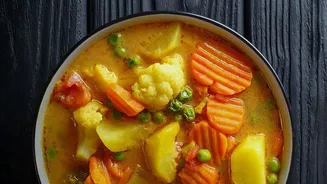
As the weather cools from October to February, the produce available becomes heartier and more robust. This is the season for vibrant root vegetables like carrots, radishes, and beets, as well as an incredible variety of leafy greens. Mustard greens (sarson), fenugreek (methi), and spinach (palak) are at their peak. Planning for winter meals means leaning into these ingredients. Think of a classic 'sarson ka saag', a flavourful 'aloo methi' stir-fry, or a mixed vegetable curry packed with sweet carrots and peas. Because these vegetables are sturdier, they hold up well in richer, slow-cooked curries, providing warmth and nourishment during the colder months.
Summer Staples, Simplified
Summer in India, from March to June, calls for lighter, hydrating meals. The seasonal produce reflects this need, with vegetables like okra (bhindi), cucumber, pointed gourd (parwal), and pumpkin becoming staples. These vegetables have high water content and cook quickly, making them ideal for simple stir-fries and light curries that don't require hours over a hot stove. A quick 'bhindi' stir-fry, a cooling cucumber 'raita', or a light pumpkin 'sabzi' are perfect examples of summer-appropriate dishes. Planning your curry and stir-fry menu around these quick-cooking vegetables ensures your meals are both seasonal and suited to the climate.
Your New Planning Blueprint
Making this approach work for you is simple. Start by listing five to seven of your family's favourite curry and stir-fry preparations. This is your core menu. Next, for the current season, identify three to four vegetables that are fresh in your local market. Now, simply plug these seasonal vegetables into your core recipes. Your beloved paneer curry might become a paneer and green pea curry in winter, or a light bottle gourd curry in the summer. A simple chicken stir-fry can be adapted with bell peppers in summer and leafy greens in winter. This method removes the guesswork and decision fatigue, making seasonal eating an intuitive and enjoyable part of your routine.