
An Ancient Solution for Modern Gardens
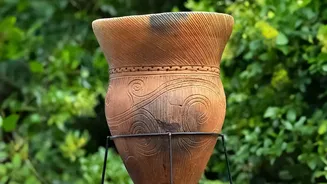
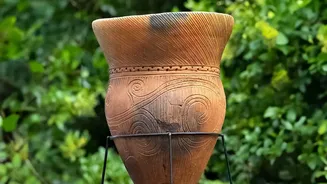
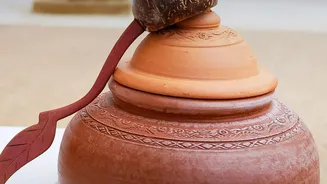
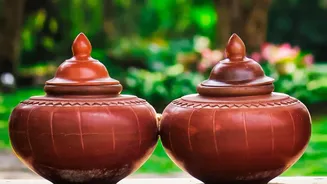
An olla (pronounced ‘oy-yah’) is an unglazed terracotta jar that is buried in soil and filled with water to irrigate plants. This isn't a new trend; it's an ancient technique used for millennia in arid regions across the globe, from North Africa to China.
The principle is wonderfully simple: the porous clay pot acts as a subsurface reservoir, delivering water directly to the plant's roots. For urban gardeners in India, where balcony space is precious and water conservation is crucial, the olla presents a sustainable and effective way to ensure plants thrive, even when the heat is on.
How It Works: The Science of Slow Watering
The magic of the olla lies in its unglazed, porous clay walls. When you bury a water-filled olla in a pot, a natural process called soil moisture tension takes over. The soil itself pulls water through the tiny pores of the terracotta only when it becomes dry. This means the plant’s roots can draw exactly the amount of moisture they need, when they need it. Unlike surface watering, where much is lost to evaporation and runoff, the olla delivers water directly to the root zone. This results in consistent hydration without the risk of over or underwatering, creating healthier, more resilient plants.
The Benefits for Balcony Gardeners
For anyone tending a garden on a balcony or rooftop, ollas offer several distinct advantages. The most significant is water efficiency; studies and user reports show that olla irrigation can reduce water consumption by 50% to 70% compared to surface watering. This method also promotes deeper, stronger root growth because roots are encouraged to grow towards the consistent underground water source rather than staying near the surface. It also means less work for you. Instead of daily watering, you might only need to refill the olla once or twice a week, depending on the weather and plant size. Finally, since the soil surface remains drier, it can help suppress weed growth.
Using Ollas in Your Balcony Pots
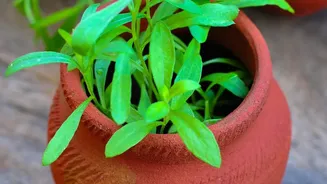
Ollas are perfectly suited for container gardening, but choosing the right size is key. For smaller pots (around 12-16 inches), a mini olla will suffice. For larger containers (18 inches or wider), look for a one to two-litre olla. As a rule, bury the olla in the centre of the pot before adding your plants. The neck should stick out about an inch above the soil line to prevent dirt from falling in. Plant your thirstiest varieties, like tomatoes, chillies, or leafy greens, closest to the olla to give their roots easy access to the water source. Almost any plant can benefit, but those with fibrous root systems do particularly well.
Make Your Own DIY Olla
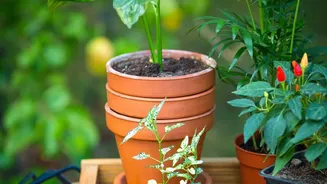
You don't need to buy a specialty olla to get started. A simple and effective version can be made at home using two unglazed terracotta pots of the same size. First, you need to seal the drainage hole of one pot, which will become the bottom of your reservoir. Use a 100% silicone sealant for this, applying it to the inside of the hole. Once that's done, apply a generous bead of the same sealant around the rim of that pot and press the second pot's rim firmly against it, creating a sealed, bulbous container. Let the sealant cure for at least 24 hours before you test it for leaks. The hole in the top pot remains open for filling. Always place a small stone or a terracotta saucer over the opening to prevent mosquitoes from breeding and to reduce evaporation.