







Prioritise Drainage Above All
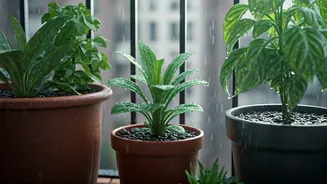
The single biggest killer of balcony plants during the monsoon is waterlogging. Your first task is to ensure every pot has clear, unobstructed drainage holes. Before the rains intensify, turn your pots over and check. If the holes are blocked by roots
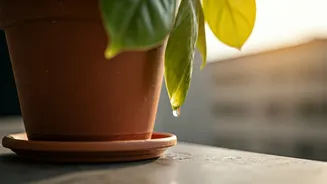
or compacted soil, clear them with a stick. If a pot has only one small hole, consider carefully drilling a few more. During heavy rain, make it a habit to check that water isn't collecting in the saucers or trays beneath your pots; if it is, empty them immediately.
Elevate Your Pots
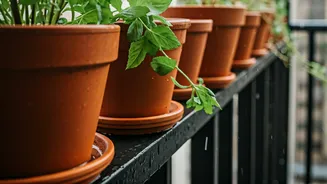
A simple but highly effective trick is to lift your pots off the ground. When pots sit flat on the balcony floor, water can get trapped underneath, preventing the drainage holes from doing their job. Placing them on pot feet, bricks, wooden blocks, or even simple bottle caps creates a small gap. This allows for better airflow and ensures that excess water can escape freely, significantly reducing the risk of waterlogged soil and root suffocation.
Rethink Your Soil Mix
Heavy, dense garden soil is a nightmare during the monsoon as it retains too much water. The ideal potting mix for this season is light, porous, and well-draining. A good recipe combines regular potting soil with materials like cocopeat, compost, and perlite or coarse sand. Cocopeat helps with moisture retention without becoming waterlogged, while perlite creates air pockets that improve drainage and oxygen flow to the roots. If your current soil feels heavy, consider repotting your plants into a lighter mix before the peak rainy season.
Water Only When Necessary
It seems obvious, but many gardeners continue their regular watering schedule during the monsoon out of habit. This is a common mistake that leads to overwatering. The frequent rain usually provides more than enough moisture. Before you water, always check the soil. Push your finger about an inch or two into the soil; if it feels damp, do not water the plant. Let the top layer of soil dry out slightly between waterings to give the roots a chance to breathe.
Prune for Better Airflow
The high humidity of the monsoon creates a perfect breeding ground for fungal diseases like powdery mildew. To combat this, strategic pruning is essential. Trim away dense foliage, dead leaves, and any branches that are crowding the centre of the plant. This improves air circulation, allowing leaves to dry faster after a shower and reducing the humid microclimate where fungi thrive. Also, regularly remove any broken stems or damaged leaves caused by strong winds and rain.
Watch for Pests and Diseases
Damp conditions don't just encourage fungi; they also invite pests. Keep a close eye on your plants for common monsoon problems like powdery mildew, leaf spot, and infestations of slugs and snails. A preventive spray of neem oil solution (5ml of neem oil mixed in a litre of water) every 10-14 days can be very effective. If you spot any diseased leaves, remove them immediately to prevent the infection from spreading to the rest of the plant.
Relocate Sensitive Plants
Not all plants are created equal when it comes to tolerating rain. Succulents, cacti, and plants with delicate foliage or flowers (like petunias) can be easily damaged or killed by constant, heavy downpours. If possible, move these sensitive plants to a more sheltered spot on your balcony, such as under an overhang or against a wall, where they are protected from the direct force of the rain. Even a temporary shield, like a plastic sheet, can offer protection during a particularly intense storm.