





The Power of Your Breath
Before diving into the exercises, it’s helpful to understand why they work. When we're stressed, we often take shallow, rapid breaths primarily from our chest. This can trigger our body's 'fight-or-flight' response, increasing heart rate and muscle tension.
Intentional, deep breathing, on the other hand, activates the parasympathetic nervous system, which is our body's relaxation response. This simple act of focusing on your breath helps lower stress hormones, calms your nervous system, and allows your mind to clear. Practicing for even five minutes a day can create a noticeable shift in your mental state.
Setting Up Your Practice
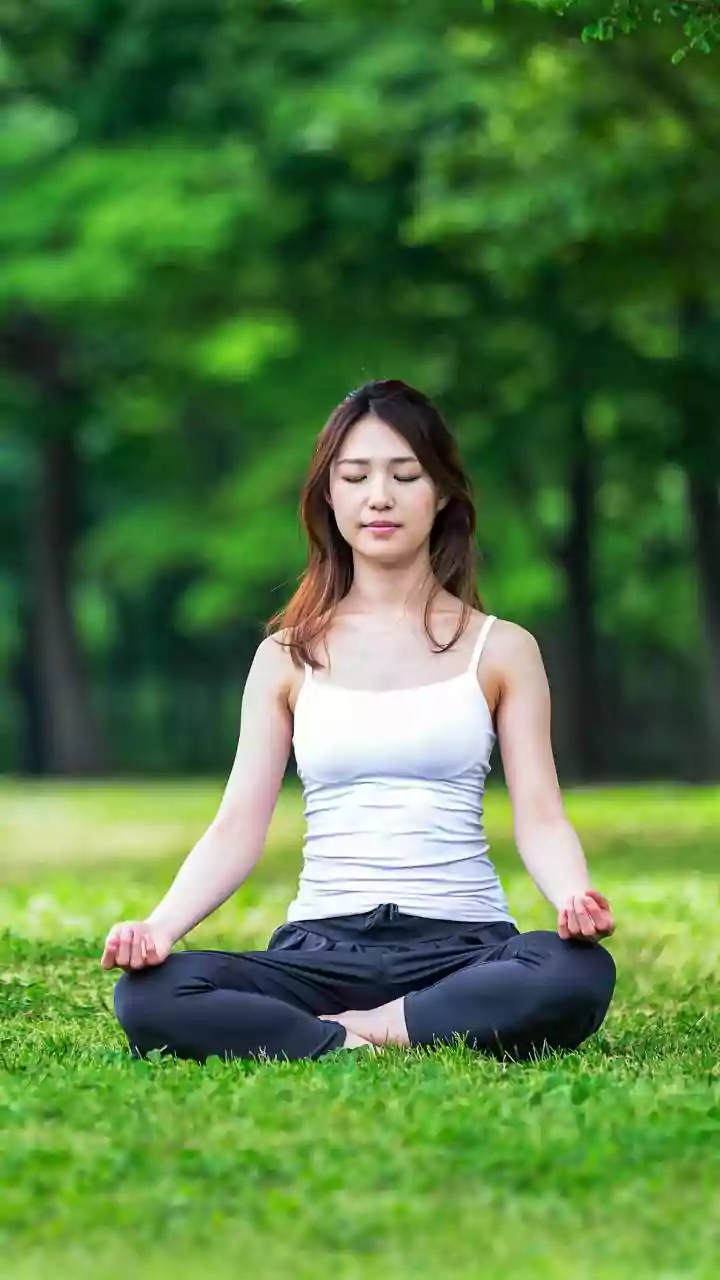
To get the most out of your five minutes, find a quiet space where you won't be interrupted. You can sit comfortably in a chair with your feet flat on the floor or lie down on your back. Keep your back straight but not stiff. You can close your eyes or soften your gaze by looking down toward the floor. Place your hands in a comfortable position, perhaps on your lap or one hand on your chest and the other on your belly to feel the movement of your breath. The goal is to be comfortable and release any physical tension.
Exercise 1: Simple Diaphragmatic Breathing
Also known as 'belly breathing', this is one of the most fundamental techniques for relaxation. Lie on your back or sit comfortably. Place one hand on your upper chest and the other on your belly, just above your navel. Inhale slowly and deeply through your nose, imagining you are filling a balloon in your stomach. You should feel the hand on your belly rise, while the hand on your chest remains relatively still. Then, exhale slowly through your mouth as you feel your stomach flatten. Continue this for a few minutes, focusing on the gentle rise and fall of your abdomen. This technique helps ensure a full oxygen exchange, which slows the heart rate and can lower blood pressure.
Exercise 2: Box Breathing
This technique is excellent for calming nerves and improving focus. You can visualize drawing a box with your breath to guide the rhythm. First, gently exhale all the air from your lungs. Then, inhale slowly through your nose for a count of four. Hold your breath for a count of four. Exhale slowly through your mouth for a count of four. Finally, hold your breath again for a count of four. Each step corresponds to one side of the box. Repeat this cycle for several minutes. The structured, even pace of this breath helps to regulate your nervous system and bring a sense of balance.
Exercise 3: The 4-7-8 Breath
Developed by Dr. Andrew Weil, the 4-7-8 breathing technique is described as a 'natural tranquilizer for the nervous system'. Start by finding a comfortable sitting position and placing the tip of your tongue against the ridge of tissue just behind your upper front teeth. Keep it there throughout the exercise. Exhale completely through your mouth, making a 'whoosh' sound. Close your mouth and inhale quietly through yournose to a mental count of four. Hold your breath for a count of seven. Exhale completely through your mouth, making the 'whoosh' sound again, for a count of eight. This completes one breath. Inhale and repeat the cycle three more times. This practice is particularly effective for reducing anxiety and helping with sleep.