
Saffron's True Health Value
Saffron has a long history in traditional systems like Ayurveda, where it's valued for more than just its culinary properties. Modern science confirms some of this traditional wisdom. The spice is rich in antioxidants like crocin and safranal, which help
protect our cells from damage. Studies suggest these compounds may have mood-boosting properties, with some research finding saffron as effective as certain conventional treatments for mild-to-moderate depression. Other promising, though less conclusive, research points to benefits for heart health by potentially lowering cholesterol, reducing PMS symptoms, and even improving eyesight in adults with age-related macular degeneration. However, it is not a replacement for professional medical treatment.
Miracle Cure or Marketing Hype?
This is where home cooks need to be cautious. While saffron has real, studied benefits, it is not a magic bullet. You will often see bold claims online about saffron preventing or curing cancer, guaranteeing weight loss, or reversing chronic diseases. While lab studies on saffron's compounds have shown anti-cancer properties, these have not been replicated in large-scale human trials. Saffron should be seen as a supportive part of a healthy lifestyle, not a standalone cure. The small amounts used in cooking are unlikely to produce the same effects seen in studies using concentrated extracts. Think of its health properties as a wonderful bonus to its culinary magic, not the primary reason for its use.
How to Spot Fake Saffron
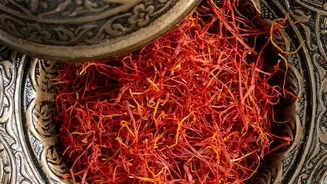
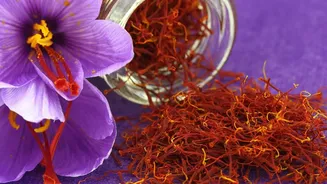
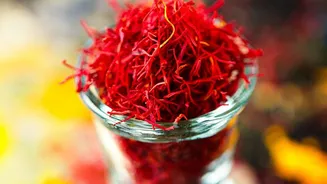
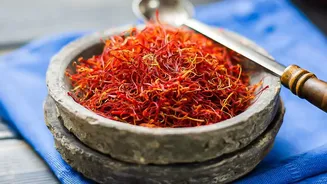
Because it's the world's most expensive spice, the market is flooded with fakes. Dishonest sellers often use dyed corn silk, safflower threads, or even coloured paper to imitate real kesar. The easiest way to check for authenticity is the cold water test. Drop a few threads into a glass of cold water. Real saffron will release its golden-yellow colour slowly over several minutes, and the threads themselves will remain red. Fake saffron often bleeds a bright red or orange colour instantly because of artificial dye, and the threads may dissolve or lose their colour. Real saffron threads are trumpet-shaped, dry, and brittle, with a distinct aroma described as a mix of honey and hay. If it smells musty or tastes sweet (some fakes are coated in sugar to add weight), it's not the real deal; genuine saffron has a slightly bitter taste.
Getting the Most from Your Kesar
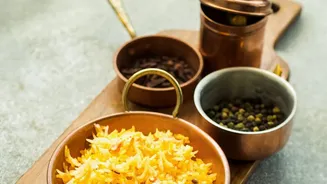
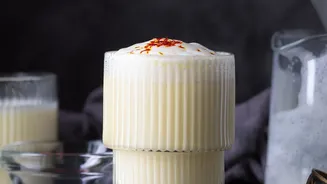
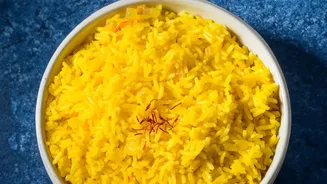
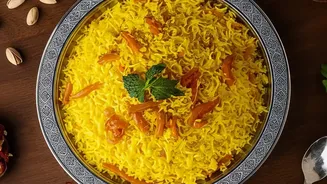
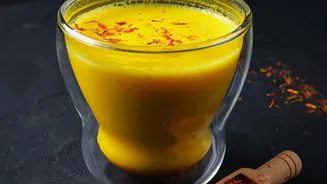
To unlock saffron's full potential in your cooking, a little goes a long way. Its flavour is potent, so you only need a small pinch. The best way to use it is to 'bloom' the threads first. Gently crush a few strands and soak them in a few tablespoons of warm (not boiling) water or milk for at least 15-20 minutes before adding to your dish. This process draws out the colour, aroma, and flavour, ensuring it distributes evenly. This saffron-infused liquid is perfect for adding to biryanis, kheer, shrikhand, or even a simple glass of warm milk. Drizzling the bloomed saffron over a finished rice dish gives it that beautiful, signature streaked appearance.
Storing Your Precious Spice
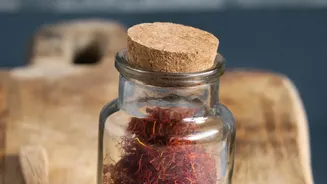
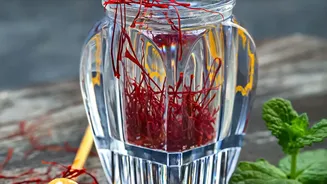
Given its cost, proper storage is essential to protect your investment. Saffron's greatest enemies are light, air, and moisture. These elements will degrade its quality, causing it to lose its potent aroma and vibrant colour over time. To keep it fresh, store your saffron threads in a small, airtight container. Glass is ideal. Keep this container in a cool, dark place, like a kitchen cabinet away from the stove or any windows. Do not store it in the refrigerator, as condensation can introduce moisture and spoil the spice. When stored correctly, high-quality saffron can maintain its potency for up to two years.