







Lighten the Digestive Load
Traditional wisdom, including Ayurveda, suggests our digestive fire, or 'agni', is weaker during the monsoon. The damp, cool weather can make our digestive systems sluggish. This isn't just an old belief; heavy, oily, and fried foods genuinely demand
more from our bodies to digest. Instead of rich curries and heavy meals, think of light, nourishing, and warm foods. Soups are your best friend this season. A simple moong dal soup, seasoned with a bit of ginger and black pepper, is not only comforting but also incredibly easy on the stomach. Prioritise steamed or lightly stir-fried vegetables over raw salads, which can be harder to break down and may carry microbes. The core logic is simple: eat light, warm, and cooked.
Rethink Your Leafy Greens
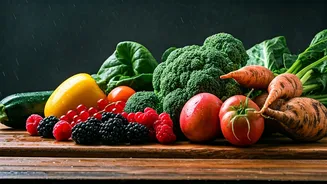
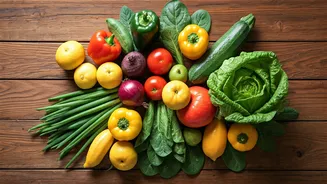
We are consistently told to eat more greens, but the monsoon calls for a more cautious approach. The combination of humidity and mud creates a perfect breeding ground for germs. Leafy vegetables like spinach, fenugreek, and cabbage, with their many folds, can easily trap dirt, larvae, and microbes that are hard to wash away. This doesn't mean you have to give them up entirely. The key is meticulous preparation. Wash them thoroughly in salted warm water, and always cook them well before eating. Steaming or adding them to dals and curries is far safer than using them in raw salads or juices. Alternatively, this is a great time to embrace gourds like bottle gourd (lauki), ridge gourd (turai), and bitter gourd (karela), which have tougher skins and are less prone to contamination.
Supercharge Your Immunity Naturally
The monsoon is peak season for viral fevers, colds, and flu. Your kitchen, however, holds some of the best immunity boosters. Make it a habit to use antimicrobial and anti-inflammatory spices like turmeric (haldi), ginger (adrak), garlic (lehsun), and black pepper (kali mirch) in your daily cooking. A warm glass of turmeric milk before bed is a timeless remedy for a reason. Start your day with warm water with a dash of honey and lemon. Incorporate seasonal fruits like jamun, pomegranates, peaches, and cherries, which are packed with antioxidants. And don’t forget your daily dose of vitamin C – amla, oranges, and sweet limes are excellent choices to keep your body's defence mechanisms robust and ready.
Hydrate Wisely, Drink Warmly
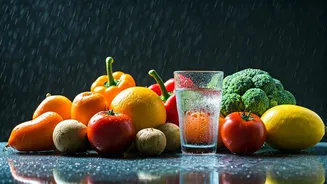
It’s easy to drink less water when the weather is cool and you’re not feeling thirsty, but staying hydrated is just as crucial during the rainy season to flush out toxins. However, this is also when water-borne diseases like cholera and typhoid are most prevalent. Avoid drinking tap water directly. Always boil your water for at least a minute or use a reliable purifier. A smart shift is to replace cold drinks from the fridge with warm liquids. Herbal teas made with tulsi, ginger, and mint are excellent choices. Clear vegetable broths and soups also contribute to your fluid intake while providing essential nutrients and a comforting warmth.
Tame Street Food Cravings at Home
The allure of a roadside plate of pani puri or a hot bhutta is undeniable when it’s raining. But this is where the risk is highest, from contaminated water in chutneys to food being exposed to flies and humidity for long periods. The solution isn't total deprivation, but a simple switch: become your own street food vendor. Recreating your favourite chaat at home with boiled chickpeas, fresh yoghurt, and homemade tamarind and mint chutneys gives you all the flavour without the risk. You can easily roast corn at home on a gas stove for that perfect smoky char. By controlling the hygiene and the quality of the ingredients, you can ensure your seasonal indulgence is both safe and deeply satisfying.