



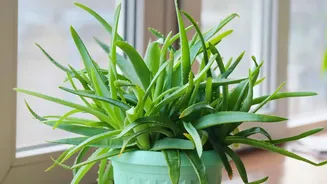
The Science of the Lean
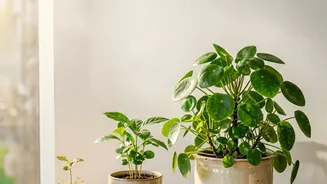
The reason your plant bends towards the window is a natural process called phototropism. Plants contain a growth hormone called auxin, which promotes cell elongation. This hormone accumulates on the shadier side of the stem, causing those cells to grow longer
and faster than the cells on the sunny side. The result is a plant that curves and stretches towards its primary light source to maximize its ability to perform photosynthesis, the process of converting light into energy. While this is a brilliant survival mechanism, it can lead to unbalanced, sparse, or 'leggy' growth in an indoor setting.
How to Rotate for Balanced Growth
The solution is beautifully simple: rotate your plant. By regularly turning it, you ensure every part of the plant gets its fair share of light over time, encouraging a more symmetrical and robust structure. The most common and easy-to-remember method is to give the pot a quarter turn every time you water it. This gentle, consistent adjustment is usually enough to prevent a strong lean from developing. For most plants, a quarter turn every one to three weeks is sufficient. Always try to turn it in the same direction to maintain consistency. This small habit doesn't disturb the plant's roots and causes no stress.
Benefits Beyond Aesthetics
While a full, symmetrical plant is visually pleasing, the advantages of rotation go deeper. Ensuring all leaves receive adequate light allows the plant to maximize photosynthesis, boosting its overall energy production and vigour. It also improves air circulation around the entire plant, which can help reduce the risk of fungal issues or pests that thrive in stagnant conditions. Furthermore, the simple act of picking up and turning your plant provides a regular opportunity to inspect it for any early signs of pests, diseases, or watering issues, allowing you to catch problems before they escalate.
Fixing a Lopsided Plant
What if your plant already looks like it's halfway out the window? Don't worry, it's often correctable. You can turn the plant a full 180 degrees so the sparse, shaded side is now facing the light source. The plant will begin to redirect its growth, and over several weeks or months, it should start to straighten out and become fuller on the neglected side. For a very dramatic lean, this full turn might cause some minor stress. A more gentle approach is to correct the lean gradually with several quarter turns over a few weeks.
When Not to Rotate Your Plants
While rotation is beneficial for most houseplants, there are some exceptions. Certain flowering plants, like orchids and Christmas cacti, should not be rotated once they have set their buds. Changing their orientation to the light at this critical stage can cause stress and lead to 'bud drop', where the plant sheds its potential flowers before they open. Additionally, some gardeners argue that plants with a distinct front and back, like many climbing aroids, prefer a stable orientation. If a plant seems healthy and is growing well without leaning significantly, there's no urgent need to rotate it; good light placement is often more important.