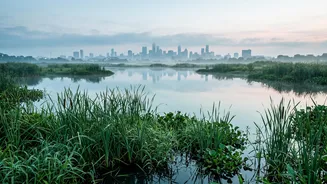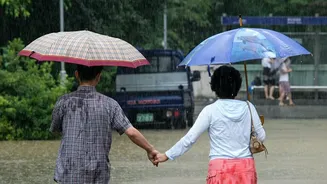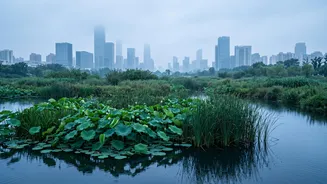






Indian cities often face a paradox: devastating floods during monsoons, followed by acute water scarcity. Environmentalists argue the solution lies not in more concrete, but in preserving nature's unsung heroes—our urban wetlands.
More Than Just Wastelands
Often dismissed as swamps
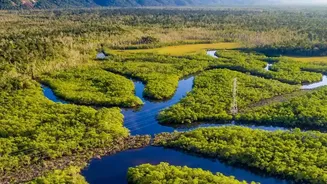
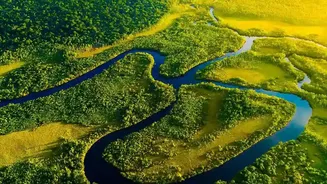
or marshes to be drained and built upon, wetlands are among the planet’s most vital and productive ecosystems. In an urban context, these areas—which include lakes, ponds, floodplains, and mangroves—function as essential natural infrastructure. Far from being wastelands, they provide a range of crucial services for free, from purifying water to supporting immense biodiversity. They are often called 'nature's kidneys' for their ability to filter pollutants and are remarkably effective carbon sinks, with some coastal wetlands sequestering carbon up to 55 times faster than tropical rainforests. Recognizing them as living systems is the first step toward understanding their role in urban survival.
A Natural Sponge Against Flooding
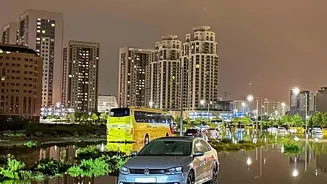
One of the most critical functions of wetlands in a city is flood mitigation. During heavy rainfall, they act like giant sponges, absorbing and storing vast amounts of excess water. This water is then released slowly, reducing the strain on man-made drainage systems. The rampant loss of these natural sponges is directly linked to increased urban flooding. Cities like Chennai, which lost around 85% of its wetlands to development, have faced catastrophic floods that were worsened by the absence of these natural buffers. Similarly, unplanned expansion in cities like Mumbai and Patna has destroyed wetlands, leading to frequent waterlogging and turning once-preventable rain events into urban disasters. Restoring and protecting these areas is a nature-based solution to shield cities from extreme weather.
Replenishing Our Dwindling Water Supply
Beyond flood control, wetlands are crucial for water security. As cities grapple with falling groundwater levels, wetlands offer a natural solution for replenishment. By holding water for long periods, they allow it to percolate deep into the ground, recharging the aquifers that supply drinking water to millions. This service is invaluable in a water-stressed country like India. The East Kolkata Wetlands, for example, naturally treat the city's wastewater through a series of fish ponds, supporting local livelihoods while cleaning the water. When wetlands are destroyed, this natural filtration and recharge cycle is broken, forcing cities to rely on expensive and energy-intensive water treatment plants and deeper borewells, exacerbating water scarcity.
The Disappearing Urban Lifeline
Despite their immense value, India's urban wetlands are disappearing at an alarming rate. Over the last few decades, the country has lost a significant portion of its natural wetlands to urbanisation, pollution, and agricultural expansion. They are often viewed as prime real estate, leading to encroachment and conversion for construction projects. Untreated sewage, industrial effluents, and solid waste are dumped into them, degrading water quality and turning thriving ecosystems into toxic bodies of water. This destruction is not just an ecological loss but a direct threat to urban resilience, amplifying risks from both floods and droughts.
The Path Forward: Wise Use and Integration
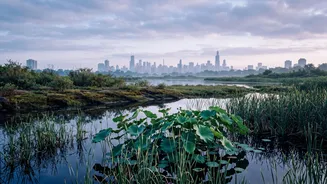
Environmental advocates and conservationists are calling for a fundamental shift in urban planning. The solution is not to halt development but to integrate 'blue-green infrastructure'—networks of water bodies and green spaces—into the urban fabric. This approach, known as 'wise use', involves maintaining the ecological character of wetlands while harnessing their benefits. Government initiatives like the Amrit Dharohar and MISHTI schemes, along with the designation of Ramsar sites, are steps in the right direction. However, success also depends on strong policy enforcement and community participation. Cities like Indore and Udaipur, which have earned 'Wetland City' accreditation from the Ramsar Convention, show that it is possible to balance urban growth with ecological preservation.