

Choose the Right Trail for You
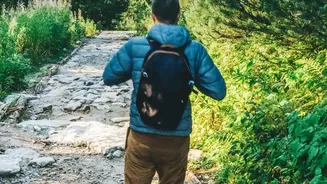
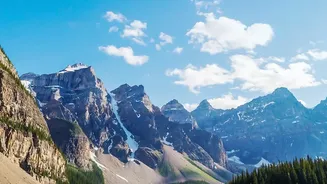
The first step to a successful hike is choosing a path that matches your fitness level. The Rockies are vast, with trails ranging from gentle lakeside strolls to strenuous summit climbs. For beginners, look for trails with minimal elevation gain and a round-trip
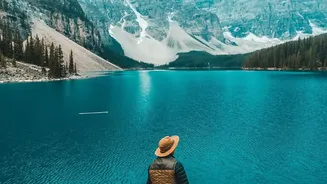
distance of under 10 kilometres. Parks Canada and local tourism websites offer detailed trail descriptions, including difficulty ratings, estimated times, and recent conditions. Popular easy hikes include the Johnston Canyon to the Lower Falls in Banff, the Lake Annette Loop in Jasper, and the Emerald Lake Loop in Yoho National Park. Reading recent trip reports on hiking apps and forums can also provide valuable insight into what to expect.
Gear Up for Safety and Comfort
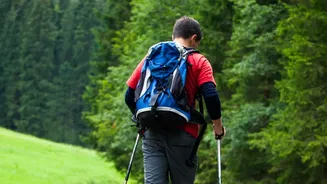
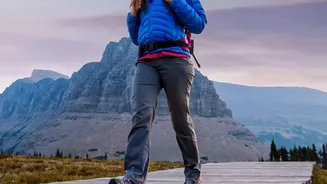
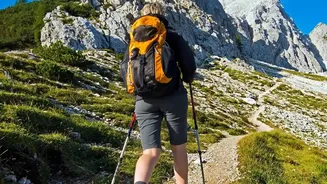
While you don't need the most expensive equipment, having the right gear is crucial. Sturdy, broken-in hiking shoes or boots with good grip are non-negotiable. Mountain weather is notoriously unpredictable and can change in an instant, so dressing in layers is key. Start with a moisture-wicking base layer, add a fleece or wool mid-layer for warmth, and always pack a waterproof and windproof jacket. Even on a sunny day, a warm hat and gloves should be in your daypack. Other essentials include a backpack with plenty of water, high-energy snacks, sunscreen, a first-aid kit, a map, and a fully charged phone.
Understand and Respect the Weather
Weather in the mountains can shift from sunny and warm to cold, rainy, or even snowy within a single hour, any month of the year. Always check the forecast specifically for the mountain area you'll be in, not just the nearest town. Be prepared for temperatures to be significantly cooler at higher elevations and in windy conditions. If the weather takes a turn, don't be afraid to turn back. The mountain will still be there another day, and your safety is the top priority. Starting your hike early in the day helps you avoid afternoon thunderstorms, which are common in the summer.
Hike Safely in Bear Country
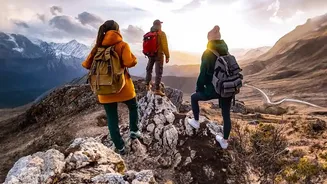
The Canadian Rockies are home to both grizzly and black bears. While encounters are not common, being 'bear aware' is essential. Never hike alone; travel in a group of four or more if possible. Make plenty of noise as you hike—talk loudly, sing, or call out periodically, especially around blind corners or near rushing water. This alerts bears to your presence and gives them a chance to move away. Bear bells are generally not considered effective. Always carry bear spray, ensure it's easily accessible (not in your pack), and know how to use it. Never approach or feed any wildlife. Keep a safe distance of at least 100 metres from bears.
Follow Trail Etiquette and Regulations
To protect the fragile alpine environment, always stay on marked trails. This prevents erosion and protects delicate vegetation. The principle of 'Leave No Trace' is paramount: pack out everything you pack in, including all garbage and food scraps like apple cores. Natural objects like wildflowers, rocks, and antlers should be left for others to enjoy. When encountering other hikers, it's customary for the person going uphill to have the right of way. Be courteous, keep noise levels down, and if you bring a dog, keep it on a leash at all times as required in most areas.