


Understanding Cold-Pressed Oils
Before diving into specific oils, it's important to understand what makes the 'cold-pressed' method special. Unlike modern refining, which uses high heat and chemical solvents, cold-pressing involves mechanically crushing seeds or nuts at low temperatures.
This gentle, traditional process, often done in a 'ghani' or 'chekku', ensures the oil retains its natural nutrients, antioxidants, flavour, and aroma, which are otherwise stripped away during industrial refining. While refined oils have a higher smoke point and longer shelf life, cold-pressed oils offer a superior nutritional profile, containing healthy monounsaturated (MUFA) and polyunsaturated (PUFA) fats that are preserved in their natural state.
The Pungent Power of Mustard Oil
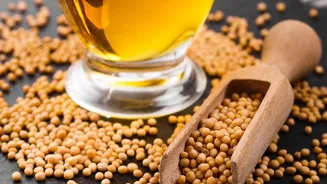
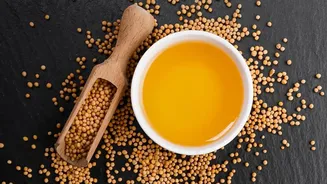
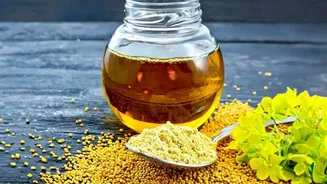
Cold-pressed mustard oil, or 'kachi ghani tel', is a cornerstone of North and East Indian cuisines, particularly in Bengali and Punjabi households. Its characteristic pungent aroma and sharp flavour are indispensable in dishes like fish curries, vegetable stir-fries, and especially pickles, where its natural antimicrobial properties act as a preservative. Rich in monounsaturated fats and a good balance of omega-3 and omega-6 fatty acids, it supports heart health. Despite myths about its heat tolerance, cold-pressed mustard oil has a moderate to high smoke point (around 150–180°C), making it perfectly suitable for everyday Indian cooking techniques like tadkas, sautéing, and pan-frying. Heating it until it shimmers slightly helps mellow its pungency before adding other ingredients.
The Versatile Goodness of Groundnut Oil
Cold-pressed groundnut oil is arguably one of the most versatile cooking mediums for a wide range of Indian dishes. With a mild, nutty flavour, it doesn't overpower food, making it a reliable workhorse for daily meals. It has a relatively high smoke point (around 160°C), which makes it an excellent and popular choice for frying snacks like pakoras and pooris in many households. Nutritionally, it's a fantastic source of heart-healthy monounsaturated fats, Vitamin E, and antioxidants like resveratrol, which help combat cellular damage. Its balanced fat profile makes it suitable for everything from preparing sabzis and dals to deep-frying, particularly in Western and Southern India.
The Ancient Charm of Sesame Oil
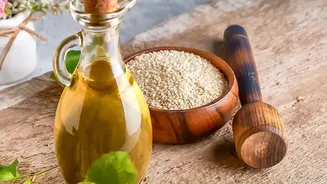
Known as 'til ka tel' or 'gingelly oil', sesame oil has been used in India for thousands of years, both for cooking and in Ayurvedic medicine. It is rich in antioxidants unique to it, such as sesamol and sesaminol, which contribute to its stability and health benefits. Cold-pressed sesame oil contains essential minerals like zinc and copper, which support immune function, as well as healthy fats that are beneficial for heart and brain health. With a medium smoke point (around 177°C), it's ideal for the tadkas and gravies in South Indian cuisine, and it's famously paired with idli podi. While it can be used for light sautéing, its distinct, nutty flavour also shines when used as a finishing oil, drizzled over dishes just before serving to preserve its nutrients.
Making the Right Choice for Your Kitchen
The best approach isn't to pick one oil but to use them for their unique strengths. A practical strategy for a healthy Indian kitchen is to keep two or three cold-pressed oils on hand. Use groundnut oil as your all-purpose choice for frying and everyday cooking. Reserve mustard oil for traditional North and East Indian dishes and pickles where its pungent flavour is desired. Employ sesame oil for South Indian specialities and as a flavourful finishing touch. By rotating these oils based on the dish you are preparing, you not only enhance the authentic taste of your meals but also benefit from a wider spectrum of nutrients. This time-honoured practice of using different oils for different purposes is a simple, effective way to enrich your daily diet.