

More Than Just a Coffee Shop
The Indian café has evolved. Once primarily a place for a quick caffeine fix or a slice of cake, it has transformed into a dynamic all-day dining destination. As social hubs, these spaces now need to cater to diverse palates and dining occasions, from
brunch with friends to a light working lunch. This shift has pushed owners and chefs to think beyond the conventional café fare of sandwiches and pasta, opening the door for more complex and exciting culinary offerings. Pan-Asian cuisine, with its emphasis on shared plates and versatile dishes, has proven to be a natural fit for this new, socially-driven dining trend.
The Irresistible Pull of the K-Wave
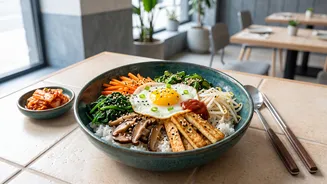
Much of the current obsession with Asian food can be traced back to the cultural phenomenon of the Hallyu or Korean Wave. K-dramas and K-pop have introduced millions of Indians not just to new entertainment, but to a whole new world of food. Watching beloved characters share a bubbling stew or savour a bowl of bibimbap has sparked a deep curiosity and a desire to taste these dishes in real life. This media exposure, combined with increased travel to Asian countries, has created a generation of adventurous eaters, particularly among millennials and Gen Z, who are eager to explore authentic global flavours.
From Veggie Sushi to Kimchi Buns
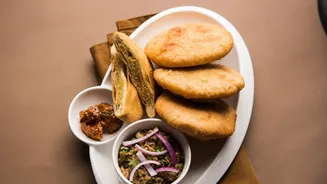
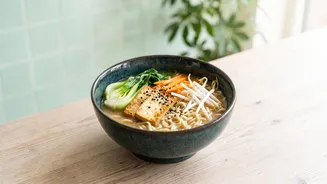
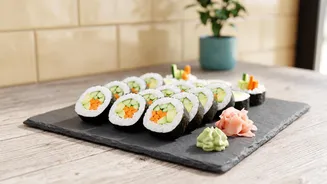
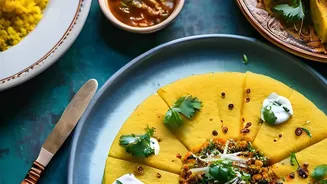
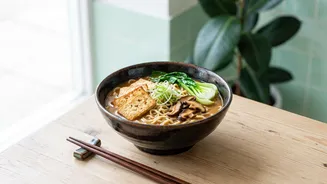
The definition of Asian food in India has expanded far beyond its Indo-Chinese roots. While classics like Hakka noodles and Manchurian remain popular, cafés are now championing a wider array of dishes from Japan, Korea, Vietnam, and Thailand. Crucially, they are making these cuisines accessible to India's large vegetarian population. Menus now proudly feature vegetarian ramen, tofu gyoza, avocado maki rolls, and even Korean-style buns with innovative fillings. Chefs are creatively adapting traditional recipes, using ingredients like paneer, jackfruit, and a variety of mushrooms to craft plant-based versions that are both authentic and appealing to the local palate.
A Perfect Match for Modern Lifestyles
The appeal of vegetarian Asian food also aligns perfectly with a growing global trend towards healthier, more mindful eating. Many Asian dishes are naturally light and packed with fresh vegetables, fermented ingredients, and lean proteins like tofu. This resonates with health-conscious urban consumers who are looking for nutritious yet flavourful dining options. Furthermore, these dishes are incredibly visually appealing. The vibrant colours of a Vietnamese summer roll or a beautifully assembled sushi platter are highly 'Instagrammable', which, in today's social media-driven world, provides invaluable organic marketing for the cafés that serve them.