







Beyond the Social Media Buzz
Every few months, our social media feeds shift. One season, it’s all about vibrant mango smoothies and hydrating cucumbers; the next, it’s hearty sarson ka saag and roasted sweet potatoes. This is the modern face of seasonal eating—a trend that feels
very new, championed by wellness bloggers and upscale cafes. But the concept isn't a new invention for the Instagram age. At its core, eating seasonally means consuming fruits and vegetables at the time of year they are naturally harvested in your local area. Before global supply chains and refrigerated shipping, this wasn't a 'trend'; it was simply how everyone ate. Today, we have the choice to eat a strawberry in December, but the renewed interest in seasonality asks whether we should.
Ancient Roots in Ayurveda
Long before 'farm-to-table' became a marketing slogan, ancient Indian wisdom had already codified the practice. Ayurveda, the traditional science of medicine in India, has a dedicated concept called *Ritucharya*, which translates to a seasonal regimen. This philosophy suggests that our bodies and the environment are deeply connected, and to maintain health (or *dosha* balance), our diet and lifestyle should adapt to the changes in seasons. For example, the cool, moist qualities of summer fruits like watermelon and cucumber are recommended to counteract the heat (*Pitta*) of the summer months. In winter, when the digestive fire (*Agni*) is believed to be stronger, heavier, warming foods like nuts, seeds, and root vegetables are encouraged to provide energy and warmth. What modern nutritionists are now exploring was, for our ancestors, an intuitive way of life.
The Science of Freshness
Modern science largely backs up this ancient wisdom, albeit with different terminology. When produce is picked at its peak ripeness and consumed shortly after, it is at its most nutritionally dense. Fruits and vegetables that are harvested prematurely to withstand long-distance shipping can lose a significant portion of their vitamins and antioxidants by the time they reach your plate. For instance, studies have shown that vitamin C content in some produce can decline rapidly after harvesting. Seasonal food, typically grown closer to home, not only tastes better because it has fully matured on the plant, but it also delivers a more powerful nutritional punch. The flavour and vibrancy you experience from a juicy, in-season tomato is a sensory clue to its superior nutritional profile compared to a pale, hard one in the off-season.
When ‘Seasonal’ Becomes a Strategy
Herein lies the 'secret' part of the trend: the market has caught on. The word 'seasonal' has become a powerful marketing tool, used by restaurants, supermarkets, and food brands to signify freshness, quality, and a premium experience. A 'Seasonal Winter Menu' sounds far more appealing than just 'Menu'. This isn’t necessarily a bad thing, as it encourages businesses to source locally and prioritise fresh ingredients. However, it can also be used to justify higher prices. The real benefit of seasonal eating for the consumer is often economic. When a fruit or vegetable is in season, it is abundant, which naturally drives its price down. The most authentic way to leverage seasonal eating isn't by ordering an expensive 'seasonal' dish, but by visiting your local *sabzi mandi* and seeing what is plentiful and affordable.
A Practical Guide to Eating Seasonally
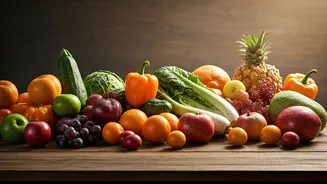
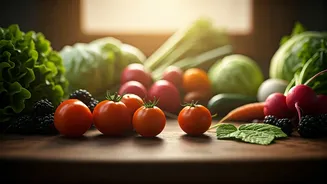
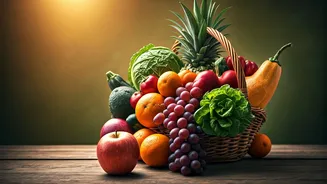
You don’t need complicated charts or apps to eat with the seasons. The simplest method is to observe your local market. What are vendors displaying in large piles? What is everyone else buying? That’s your guide. In summer, look for melons, gourds (*lauki, tori*), cucumbers, and mangoes. As the monsoon arrives, you'll see more corn (*bhutta*), jamun, and leafy greens. Winter brings a bounty of carrots, radishes, peas, and citrus fruits like oranges. By aligning your shopping with this natural abundance, you not only get the best flavour and nutrition but also support local farmers and reduce the carbon footprint associated with food transportation. It’s a sustainable choice for your health, your wallet, and the planet.