








The End of the Annual Holiday
For generations, travel was an event. It involved saving up for months, applying for that two-week leave, and executing a meticulously planned itinerary. But India’s youngest cohort of travellers has a different approach. A recent Airbnb report found
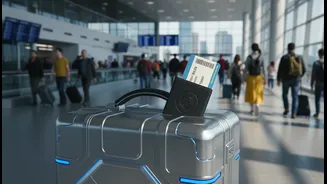
that a staggering seven in ten Gen Z travellers would rather take three short trips than one long holiday. These micro-breaks—quick getaways of two to six days, often over a long weekend—are becoming the new norm. This isn't just a minor tweak in preference; it's a fundamental shift in how travel is perceived and consumed, moving from a once-a-year luxury to an integrated part of a regular lifestyle.
Why Small Trips Are a Big Deal
This trend is a direct response to the pressures and realities of modern life. For a generation accustomed to hustle culture and digital burnout, micro-breaks serve as a crucial reset button. Travel is no longer just for exploration but for self-expression and mental rejuvenation. According to one survey, 87% of Gen Z travellers agree that the way they travel reflects who they are as a person. The spontaneity is key; 66% book their trips within just days or weeks of travel, making it a reflexive response to an open weekend or a need to de-stress, rather than a long-planned event.
The New Budget: Consistent Spends Over a Single Splurge
The rise of micro-breaks is also redrawing the financial map for young travellers. Instead of saving a large sum for one big annual trip, the budget is spread across several smaller, more manageable expenses throughout the year. This aligns with Gen Z's preference for value and experience over traditional luxury. There's a clear preference for affordable stays like hostels and shared homes, which also feeds into the social aspect of travel this generation craves. More than half prefer a shared home over separate hotel rooms, seeing the stay itself as a core part of the experience. This has led to a boom in group trips, which have grown by almost 55% for domestic travel among Indian Gen Z.
Rethinking Leave and Location
This travel style has a direct impact on work culture and destination choices. The two-week leave block is becoming less common, replaced by strategic use of single vacation days tacked onto weekends. The rise of flexible and remote work arrangements has further fuelled this, allowing young professionals to blend work and travel. Consequently, destination trends are shifting. Instead of expensive international flights, there's a growing interest in domestic, accessible locations. Young travellers are actively avoiding places that have gone viral, with 90% seeking out destinations that aren't all over social media. They are more likely to be found exploring a local market or a neighbourhood they discovered, prioritising personal discovery over popular attractions.