



The Science of Saving Space
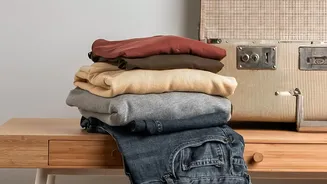
The primary advantage of rolling clothes is simple: compression. When you tightly roll a garment, you force out the air trapped between the fabric layers. Traditional folding creates rectangular shapes that, when stacked, leave awkward, unused gaps and
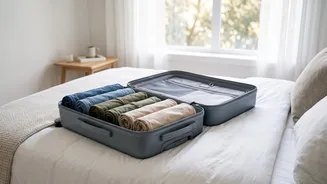
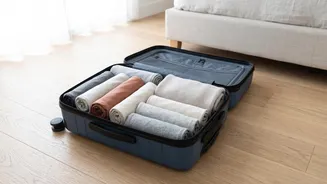
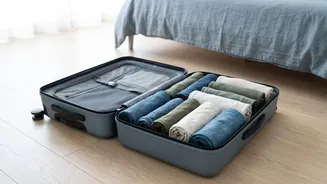
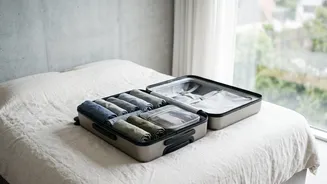
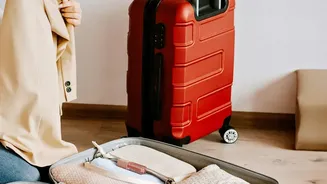
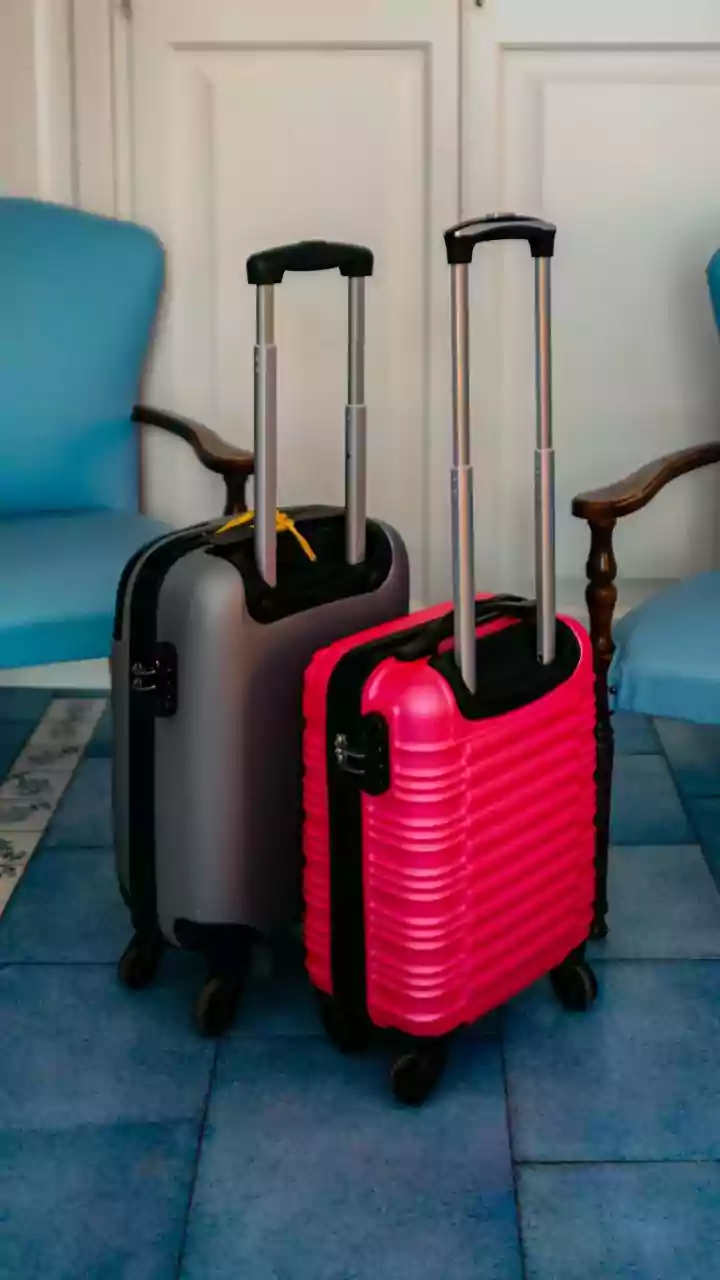
pockets of air within your luggage. Rolled clothes, by contrast, become compact cylinders that can be packed tightly against one another, much like a game of Tetris. This eliminates wasted space and allows you to use every available inch of your bag, which is especially crucial when dealing with the limited capacity of a carry-on or weekender bag for a four-day trip. This efficiency is why many seasoned travelers and even the military champion rolling as a superior packing method.
The Best Garments for Rolling
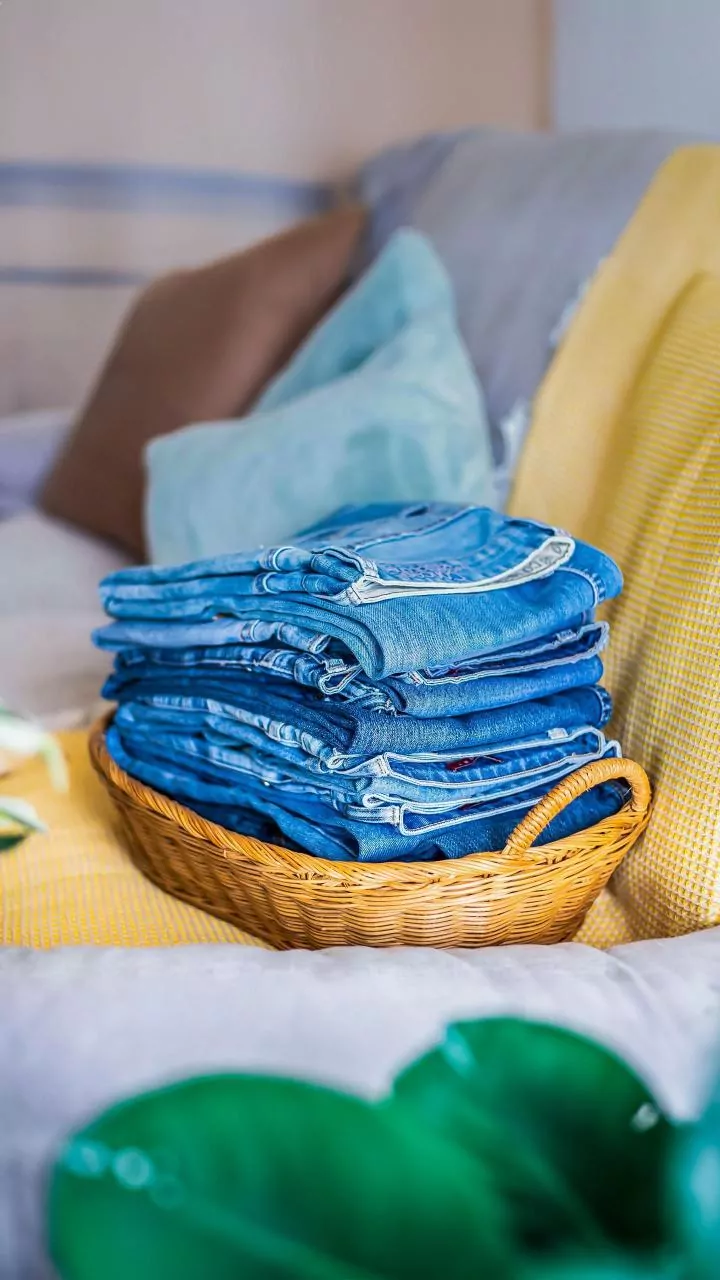
While rolling is a powerful technique, it’s not universally suited for every item in your wardrobe. It works best for lightweight and casual clothing. T-shirts, jeans, knit sweaters, leggings, and clothes made with synthetic blends like lycra or polyester are ideal candidates. These materials are less prone to wrinkling when rolled tightly. In fact, by avoiding the hard creases that folding can create, rolling can actually help many items arrive in better condition. When done correctly, rolling keeps garments smooth and reduces the need for ironing at your destination.
What You Should Still Fold
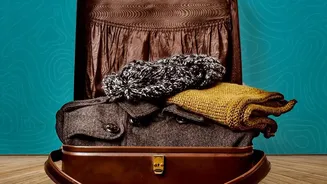
For some items, folding remains the superior choice. This is particularly true for formal wear and structured garments. Blazers, dress shirts, and items made from stiff or easily creased fabrics like linen should be folded carefully to maintain their shape. Bulky items, such as heavy wool sweaters or thick coats, can sometimes become unwieldy when rolled and may actually take up less space when folded flat. The best approach for a well-packed bag is often a hybrid one: roll your casual wear to maximise space and fold your more delicate or formal pieces.
A Step-by-Step Rolling Guide
Mastering the roll is easy. For a t-shirt, lay it on a flat surface and smooth out any wrinkles. Fold the sleeves toward the middle to create a rectangle, then roll tightly from the bottom hem up to the collar. For pants, fold one leg over the other, then roll tightly from the waistband down to the cuffs. The key is to roll as tightly as possible to maximize compression. As you roll, continue to smooth the fabric with your hands to prevent wrinkles from being sealed in. The tighter the roll, the more compact the item and the more space you save.
Organizing Your Four-Day Bag
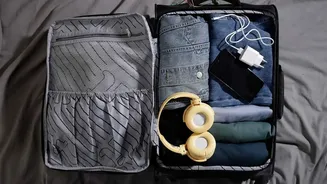
Once your clothes are rolled, organization becomes much simpler. You can see every item at a glance, eliminating the need to dig through stacked layers to find what you’re looking for. For a four-day trip, start by placing heavier items like shoes along the bottom of your bag near the wheels. Then, arrange your rolled clothing, fitting them snugly together. You can fill any remaining small gaps with rolled socks or underwear. Many travelers combine rolling with packing cubes, which further compresses clothing and keeps your bag neatly compartmentalized by item type or by outfit.