








A Nationwide Sporting Fever
The roar of the crowd, the agony of a near-miss, the explosion of joy at a last-minute goal—these are emotions best shared. Yet, for millions of sports fans across India, enjoying major international events like the FIFA World Cup or marquee cricket clashes
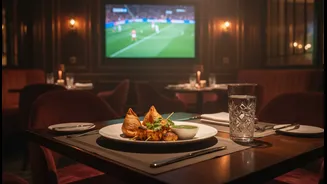
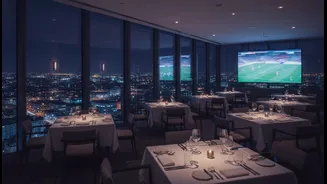
often meant a solitary, silent vigil in the dead of night. The time difference between India and host nations in Europe or the Americas has historically relegated these global spectacles to living room affairs. But the culture is rapidly changing. A powerful synergy between fan passion and business innovation is transforming restaurants, pubs, and cafes into impromptu arenas, buzzing with energy until the early hours.
Bengaluru Leads the Way
The most recent and vivid example comes from Bengaluru, where the ongoing FIFA World Cup 2026 has sparked a significant policy shift. Following a request from the National Restaurant Association of India (NRAI), the Karnataka government permitted hotels and restaurants to extend their food service hours until 3:30 am for the semi-finals and final. This decision, affecting matches on July 14, 15, and 19, was announced by Chief Minister D.K. Shivakumar and celebrated by football fans who can now watch the crucial games in a communal setting. The usual 1 am deadline has often been a frustrating barrier for fans and establishments alike during major tournaments. This move recognizes football's massive following and the desire for shared viewing experiences.
A Win-Win Situation
This trend is more than just a convenience for fans; it's a vital economic lifeline for the hospitality industry. For restaurants, the late-night hours are typically the quietest. By installing big screens, curating special match-day menus, and creating a stadium-like atmosphere, they are tapping into a dedicated and enthusiastic customer base. The model proves that when passion meets opportunity, everyone wins. Fans get the community and atmosphere they crave, while restaurants gain significant revenue during what would otherwise be downtime. This symbiotic relationship fosters a sense of community and provides a much-needed boost to local businesses.
The Growing 'Matchcation' Economy
This phenomenon is part of a larger trend known as the 'experience economy' or the 'matchcation' economy. Indian consumers, particularly the younger demographic, are increasingly prioritizing live experiences over material purchases. This has been a boon for the hotel and restaurant industry. Major sporting events, from the Indian Premier League (IPL) to international tours, are now seen as key drivers of growth. Hotels are even considering proximity to stadiums when planning new locations. The sports tourism and hospitality market in India is projected to grow significantly, with experts forecasting its value to reach over $52 billion by 2033. Events hosted in cities like Ahmedabad have demonstrated the phenomenal spikes in occupancy and revenue that sports can generate.
Navigating the Challenges
Of course, extending hospitality hours isn't without its challenges. For establishments, it means managing late-night staffing, ensuring security, and adhering to strict guidelines. The Bengaluru order, for instance, came with clear instructions from the city police to ensure public safety and prevent issues like illegal betting. Authorities have clarified that screenings must be contained within the venue, and all normal licensing rules still apply. However, these logistical hurdles are seen as manageable catalysts for innovation, pushing the sector to evolve. The willingness of local governments to collaborate with business associations, as seen in Bengaluru, is a crucial step in making these late-night celebrations both safe and successful.