








The Allure of Simple Rules
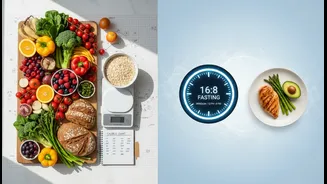
The initial appeal of intermittent fasting is undeniable. Instead of complicated meal plans, banned food lists, or tedious calorie tracking, IF offers a straightforward framework. Most popular methods, like the 16:8 plan, involve simply splitting the day
into a 16-hour fasting window and an 8-hour eating window. This perceived simplicity is a major draw for people overwhelmed by traditional dieting. The promise is freedom from the constant decision-making that plagues other weight loss plans. However, what begins as a simple rule can introduce its own set of complex challenges. While studies show IF can be as effective for weight loss as continuous calorie restriction, the experience of getting there is vastly different.
The Hidden Mental Load of Watching the Clock
The primary 'mental load' of intermittent fasting isn't about food choices, but about time. The day becomes divided into periods of restriction and anticipation. This can lead to obsessive clock-watching and significant social friction. Spontaneous dinners with friends, family breakfasts, or work lunches become logistical hurdles that require planning and sometimes awkward explanations. For some, this rigidity can create psychological stress, anxiety, or guilt when the schedule is inevitably broken. Furthermore, the fasting period itself can be a challenge, with potential side effects like hunger pangs, irritability, fatigue, and difficulty concentrating, especially in the initial adjustment phase. While some research suggests cognitive performance isn't significantly impaired by short-term fasts, the subjective feeling of low energy and hunger can be difficult to push through.
How Does It Compare to Other Diets?
Every diet comes with a mental burden; the key is understanding how they differ. A traditional calorie-counting diet requires constant vigilance: tracking every meal and snack, reading labels, and making calculations. Recent research from the University of Adelaide highlighted that while both IF and calorie restriction led to similar weight loss, the fasting group felt they didn't have to constantly monitor their intake in the same way. This suggests IF might carry a lower 'active' mental load during eating periods. On the other hand, restrictive diets like the ketogenic diet demand intense focus on what you can and cannot eat, eliminating entire food groups. The mental load here is about constant restriction and avoidance. Intermittent fasting shifts this burden from what to when, which some people find more manageable long-term.
The Question of Long-Term Adherence
The billion-dollar question for any diet is: can people stick with it? The evidence on IF adherence is mixed. Some studies have found that dropout rates for intermittent fasting are higher than for daily calorie restriction, suggesting people find it harder to maintain. One study noted a 38% dropout rate in an alternate-day fasting group compared to 29% in a calorie-restricted group. However, other research, including the recent Adelaide study, suggests IF could be a more sustainable option for those who struggle with the constant self-control required by calorie counting. Ultimately, adherence seems to be highly individual. Factors like lifestyle, social commitments, and personality play a huge role in whether timing your meals or tracking your portions feels more sustainable.
Beyond Weight Loss: A Focus on Well-being
The conversation around healthy eating is slowly broadening to include mental and emotional well-being. A diet that leads to weight loss but also causes significant stress, social isolation, or fosters an unhealthy relationship with food might not be a true 'success'. Research increasingly links nutrient-rich dietary patterns like the Mediterranean diet to improved mood and reduced risk of depression. While some proponents of IF report improved mental clarity and mood, it's crucial to acknowledge that for others, the restrictive nature of fasting can increase stress or trigger disordered eating patterns. The best approach is one that supports not only your physical health but also your mental and social life.