






Start with the Land Around You
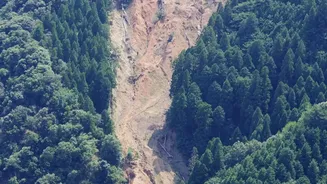
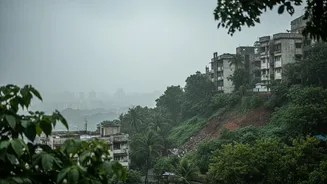
The first signs of danger often appear on the land itself before affecting a structure. Pay close attention to the slopes and ground surrounding your building. Look for new cracks or unusual bulges in the soil, particularly at the base of slopes. Leaning
trees, utility poles, or fences that were previously straight are significant red flags, indicating that the ground beneath them is shifting. Also, be aware of any changes in natural vegetation. If a previously stable, vegetated slope suddenly has patches of bare soil or an uprooted tree, it could be a sign of instability. Keep an eye out for any small slips or falls of soil, as these can be precursors to a much larger event.
Inspect Retaining Walls and Barriers
Retaining walls are built to hold back soil and prevent erosion, but they are also key indicators of ground pressure. Regularly inspect any retaining walls near your property. Look for new cracks, especially those that are horizontal or step-like. A wall that is tilting or bulging outwards is under immense pressure and could be at risk of failure. The ground pulling away from the top of the wall or soil piling up at its base are other clear warning signs that the slope is unstable and moving.
Look for Signs of Stress on Your Building
Your own home can provide critical clues about ground movement. New cracks appearing in plaster, tile, brick, or foundations are a serious cause for concern. Pay special attention to doors and windows that suddenly begin to stick or jam. This can happen when the frame of the house is being subtly twisted by ground settlement. Similarly, if you notice that floors, verandas, or patios are tilting or pulling away from the main structure, it signals that the foundation is being compromised. These are not minor maintenance issues; they are potential signs of a serious geological hazard.
Monitor Water and Drainage
Water is the most common trigger for landslides during the monsoon. Saturated ground loses its strength, making it prone to collapse. Watch for any changes in water flow around your property. New springs, seeps, or saturated ground in areas that have never been wet before are a major warning sign. Blocked drainage pathways can cause water to pool and oversaturate the soil, increasing pressure on slopes. Ensure all drains around your property are clear and functioning correctly to allow rainwater to flow away efficiently. A sudden decrease or increase in stream water levels can also indicate that ground movement is either blocking flow or has been breached.
Heed Official Warnings and Advisories
The Brihanmumbai Municipal Corporation (BMC) identifies landslide-prone areas and often issues notices to residents in high-risk zones before and during the monsoon. Take these warnings seriously. Stay updated with weather forecasts from the India Meteorological Department (IMD) and advisories from the BMC's disaster management cell. Recent landslides in areas like Kurla and Ghatkopar have shown the tragic consequences of remaining in vulnerable locations during heavy rainfall. Authorities often place boards in at-risk areas; do not ignore them.
What to Do If You Spot a Risk
If you notice any of the warning signs—such as new cracks, tilting walls, or unusual ground saturation—the first step is to ensure the safety of your family. If the danger appears imminent, evacuate immediately to a safer location. Do not wait for official orders. Inform your neighbours of the potential danger, as landslides can affect a wide area. Contact the BMC's disaster management helpline (dial 1916) to report your observations. A professional assessment by a geotechnical engineer may be necessary to understand the true level of risk to your property.