




The Unseen Contaminant on Your Plate
Microplastics are tiny plastic particles less than 5 millimetres in size, born from the breakdown of larger plastic items like bottles, bags, and packaging. For years, scientists have found them everywhere—in oceans, soil, and the air we breathe. Now,
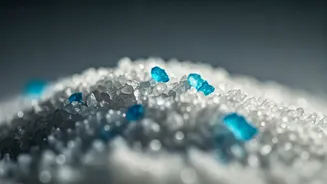
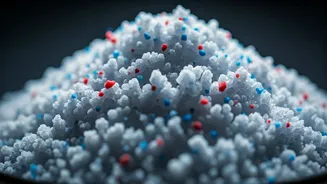
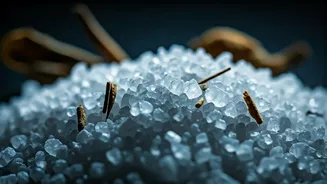
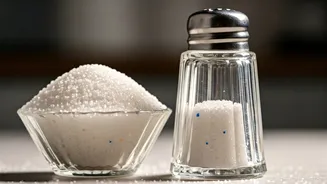
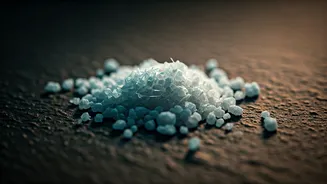
a sobering new study by Indian environmental research organisation Toxics Link has confirmed their widespread presence in the Indian food chain, specifically in items many of us consume daily. The study tested numerous brands of salt and sugar, both packaged and loose, and found microplastics in every single sample. This brings a global environmental issue directly into the Indian kitchen, confirming that we are ingesting these particles through our food.
A Closer Look at the Indian Study
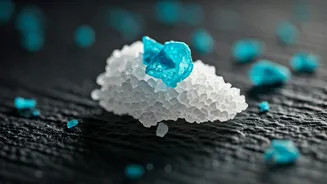
The Toxics Link research provides a crucial, localised snapshot of the problem. Researchers analysed ten different types of salt and five types of sugar. The results were startling: iodised salt contained the highest concentration, with up to 89 plastic particles per kilogram. Even organic rock salt, which had the lowest amount, was not free from contamination. The particles discovered were a mix of fibres, films, and fragments in various colours. Given that salt and sugar are foundational to Indian cooking and daily consumption, the study highlights a continuous and largely unavoidable route of exposure for millions. These findings have prompted the Food Safety and Standards Authority of India (FSSAI) to launch a dedicated project to develop detection methods and understand the prevalence of microplastics in the wider food supply.
How Plastic Gets into Our Food
The journey from a plastic product to a contaminant in our food is a long and complex one. Plastic waste that isn't properly managed breaks down under sunlight and physical stress, entering rivers and soil. From there, it can be absorbed by crops or consumed by fish and livestock, working its way up the food chain. Contamination also happens much closer to home. Food processing equipment, plastic storage containers, and packaging can all shed microplastics directly into our food. Simple actions like heating food in plastic containers, drinking from single-use plastic cups, or even cutting on a plastic board can significantly increase the number of particles we ingest.
What Are the Health Risks?
This is the question on everyone's mind, and scientists are working urgently to find clear answers. While research is ongoing, initial evidence is concerning. Studies on human cells and animals suggest that ingesting microplastics can trigger inflammation, disrupt the gut microbiome, and potentially interfere with our immune and endocrine (hormone) systems. These particles can also act like tiny sponges, absorbing and carrying other harmful chemicals like pesticides and heavy metals, which may then be released into our bodies. Researchers have detected microplastics in human blood, lungs, and even the brain, though the long-term consequences of this accumulation are not yet fully understood.
Practical Steps to Reduce Exposure
While completely avoiding microplastics is nearly impossible in the modern world, you can take simple steps to reduce your daily intake. Opt for fresh, unprocessed foods over those that come in heavy plastic packaging. When it comes to your kitchen, storing food in glass, ceramic, or stainless steel containers is a better choice than plastic, especially for hot foods. Never microwave food in plastic containers, as heat can accelerate the release of particles. Consider switching to a wooden or bamboo cutting board. Choosing tap water (filtered if necessary) and using a reusable non-plastic bottle can also drastically cut down on exposure compared to drinking bottled water. These individual actions, while small, contribute to greater awareness and reduced personal risk.