



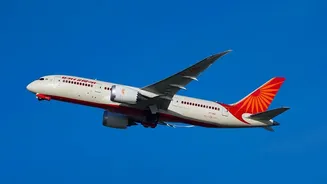


Fewer Flights, More Competition
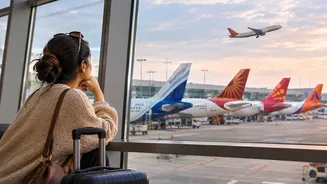
Indian airlines have scheduled thousands fewer domestic flights for November and December 2026 compared to the same period last year. According to an analysis of flight schedule data from aviation analytics firm Cirium, Indian carriers are set to operate
about 7,154 fewer domestic flights, marking a 3.5% year-on-year decline. This reduction comes during the busiest travel weeks of the year, driven by holidays, festivals, and weddings. While some airlines are using larger aircraft to keep the overall seat count from dropping drastically—the total number of seats is down only 0.5%—the reduction in flight frequency means less choice for travellers. Fewer departure times can lead to quicker-selling flights and, consequently, higher prices, especially on routes with limited competition.
The Forces Driving Up Fares
A perfect storm of economic factors is putting upward pressure on ticket prices. A significant factor is the cost of Aviation Turbine Fuel (ATF), which makes up a large portion of an airline's operating expenses. Geopolitical issues have also played a role, forcing longer flight routes that consume more fuel. On top of this, a weakening rupee makes dollar-denominated costs, such as aircraft leases and maintenance, more expensive for Indian carriers. Airlines have indicated that these elevated costs are being passed on to consumers. One airfare index recorded a significant increase in domestic ticket prices in recent months, with fares rising on most major routes. These factors combined create a challenging environment where airlines are focusing more on profitability than just filling seats, leading to the capacity adjustments and price hikes travellers are now facing.
Airlines Adjust Their Strategies
The capacity cuts are not uniform across the industry. SpiceJet has seen the steepest reduction in its schedule, while the Air India group has also significantly trimmed its domestic operations. Market leader IndiGo has cut a smaller percentage of its flights but has actually increased its overall seat capacity by using larger planes. The one major exception is Akasa Air, which has aggressively expanded its schedule with a significant increase in flights compared to last year. The data suggests a strategic shift. Airlines seem to be concentrating their resources on the busiest, most profitable routes and in some cases, shifting focus to premium offerings. For travellers, this means that while main metro routes might still have options, those flying to smaller cities or less competitive routes may feel the pinch the most.
Smart Booking Tips for the Season
Navigating the expensive festive season requires planning and flexibility. The most effective strategy is to book as early as possible. Data consistently shows that fares for the Christmas and New Year period begin to climb steeply from early November. If your travel dates are flexible, you can unlock significant savings. Flying mid-week, such as on a Tuesday or Wednesday, is consistently cheaper than travelling on weekends like Friday or Sunday. Similarly, avoiding peak departure dates between December 19-23 and returning after the first week of January can make a substantial difference in cost. Also, consider flying into alternate airports where available. For example, when travelling to Goa, comparing fares for both Mopa (GOX) and Dabolim (GOI) airports could yield a cheaper option. Using fare comparison websites and setting up price alerts can also help you grab a deal before prices surge.
Considering Your Alternatives
With airfares on the rise, it may be worthwhile to explore other modes of transport for your holiday travel, especially for shorter distances. India's extensive railway network, including the expanding Vande Bharat Express services, offers a comfortable and often more economical alternative. For certain routes, overnight trains can save you the cost of a hotel room in addition to a pricey flight ticket. Deluxe bus services have also improved significantly, offering comfortable sleeper and semi-sleeper options on many popular routes. While train and bus travel takes longer, the potential cost savings during this peak season could be substantial. If you are set on flying, exploring less-conventional destinations that are seeing a surge in interest, such as Malvan or Agatti, might offer better value than traditional holiday hotspots.